

Your Professional Suede Leather Supplier
Double Elephant is China's leading enterprise in the microfiber leather manufacturing industry. Our products encompass synthetic leather, PU leather, microfiber leather, faux leather, and non-woven materials.
Quality Control
We have obtained ISO9001, 14001, 16949, GRS, Bio, and other certificates and employ a digitalized quality control system to provide satisfactory products to customers.
Accept ODM/OEM Service
The company is capable of developing new designs based on market trends and can also manufacture in accordance with customer requirements.
Production Equipment
The factory has its own independent R&D department and advanced testing equipment.
Production Capacity
Currently, there are 6 complete production lines from the base to the finished product process. The annual production capacity amounts to 35 million meters.


Parameter Information
|
Composition: |
60% Nylon and 40% Polyurethane |
|
Thickness choice: |
0.5mm-2.2mm |
|
Width: |
1.38M |
|
Color choice: |
Any colors available |
|
Delivery time: |
15-20 Days |
Types of Suede Leather
Cowhide Suede
It is distinguished from other types of suede by its rough texture. It provides a rougher, more textured appearance.
Sheepskin Suede
This kind of suede is regarded as being the softest. It frequently comes from lamb and sheep skin, giving it a plush, velvety feel.
Pigskin Suede
When compared to other forms of suede, pigskin suede is heavier, thicker, and more resilient. It provides a strong and reliable alternative for suede goods.
Advantages of Suede Leather
One of the primary advantages of suede leather is its incredibly soft and supple texture. The buffing or sanding process used to create suede results in a luxurious material that feels gentle against the skin. This makes suede leather ideal for clothing, accessories, and footwear where comfort is a priority.
Suede leather's velvety surface and matte finish give it a unique and stylish appearance. The fuzzy nap adds depth and richness to the leather, creating a sense of luxury and sophistication. Whether used in fashion, upholstery, or home decor, suede leather adds an element of elegance to any product it adorns.
Suede leather is highly versatile and can be used in a variety of applications. It is commonly found in fashion items such as jackets, skirts, and handbags, as well as accessories like shoes, belts, and gloves. Additionally, suede leather is used in upholstery and interior design to add texture and visual interest to furniture and decor.
Unlike some other types of leather, suede leather has excellent breathability, allowing air to pass through the material. This makes it comfortable to wear in warmer climates or during physical activity, as it helps regulate temperature and prevent moisture buildup.
Suede leather readily accepts dyes and finishes, allowing for a wide range of colors and effects. This versatility in coloring makes it easy to customize suede leather products to suit individual preferences and design trends.
Applications of Suede Leather


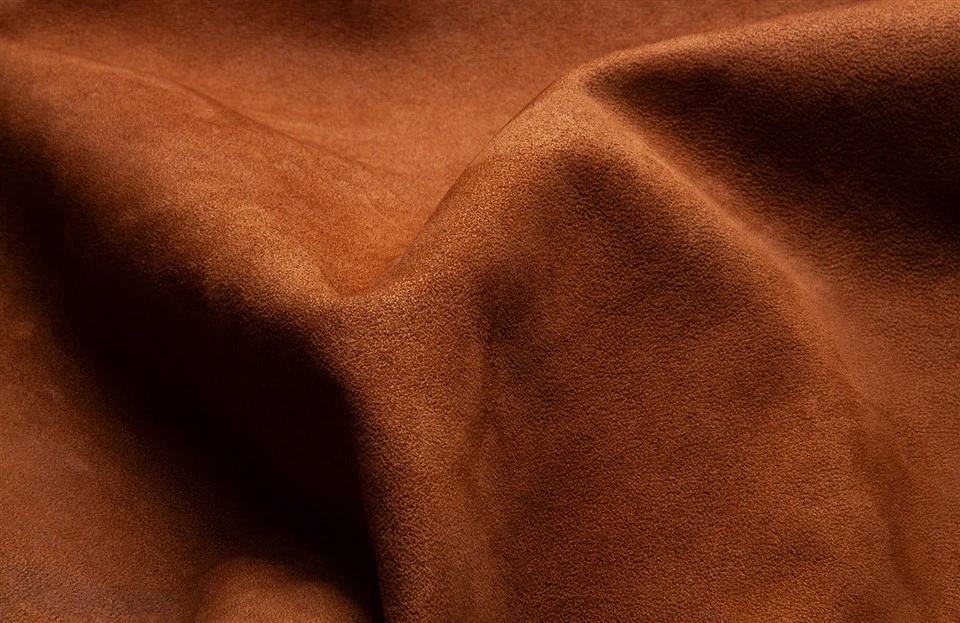

Fashion Apparel
Suede leather is a popular choice for fashion apparel due to its luxurious feel and stylish appearance. It is commonly used to make suede jackets, suede shoes, purses, skirts, vests, and coats, adding a touch of elegance and sophistication to any outfit. Suede materials softness and drape make it particularly well-suited for creating flowing, tailored garments.
Footwear
Suede leather is frequently used in footwear manufacturing, both for its aesthetic appeal and functional properties. Shoes, boots, sandals, and slippers made from suede leather offer a comfortable fit and a fashionable look. Suede's breathability and flexibility make it an excellent choice for casual and dress shoes alike.
Accessories
Suede leather is a popular material for accessories such as handbags, wallets, belts, and gloves. Its soft texture and velvety appearance add a touch of luxury to these items, making them both fashionable and functional. Suede accessories come in a variety of styles and colors, catering to different tastes and preferences.
Upholstery and Home Decor
Suede leather is commonly used in upholstery and home decor to add texture and visual interest to furniture, pillows, and cushions. Suede upholstery lends a warm and inviting feel to living spaces, while suede throw pillows and blankets add coziness and comfort. Suede's rich texture and softness make it a popular choice for creating inviting and stylish interiors.
Automotive Interiors
Suede leather is also used in automotive interiors to upholster seats, steering wheels, and dashboards. Suede-trimmed interiors are often found in luxury vehicles, providing a touch of refinement and sophistication. Suede's softness and tactile appeal enhance the driving experience, making it a popular choice among car enthusiasts.
Crafts and DIY Projects
Suede leather is a favorite material for crafts and DIY projects due to its versatility and ease of use. Crafters and hobbyists use suede leather to create a wide range of items, including jewelry, keychains, journal covers, and wall hangings. Suede's soft texture and ability to hold embellishments such as beads, studs, and embroidery make it an ideal choice for creative projects.
Suede Leather Production Process
Step 1: Preparing the Leather
The first step in making suede leather is to prepare the animal skin. The skin is cleaned and treated to remove any hair, fat, or other impurities. Once the skin has been cleaned, it is stretched and dried to create a firm, flat surface that is suitable for sanding.
Step 2: Splitting the Leather
After the skin has been prepared, it is split into two layers: the top grain layer and the suede layer. The top grain layer is the smooth, outer layer of the skin that is used to make traditional leather. The suede layer is the soft, fuzzy layer on the underside of the skin that is used to make suede leather.
Step 3: Sanding the Suede
Once the suede layer has been separated from the top grain layer, it is sanded to create the soft, fuzzy texture that is characteristic of suede leather. Sanding removes the top layer of the suede fibers, leaving a shorter, softer layer of fibers on the surface of the leather. The depth and texture of the suede can be varied depending on the desired outcome.
Step 4: Dyeing and Finishing
After the suede has been sanded, it is dyed and finished to create the desired color and texture. Suede can be dyed a wide range of colors, from natural browns and tans to bright, bold hues. The suede can also be finished with a variety of textures, such as nubuck or velour.
Step 5: Cutting and Sewing
Once the suede leather has been dyed and finished, it is ready to be cut and sewn into a variety of products, such as clothing, shoes, and accessories. Suede can be cut into a variety of shapes and sizes, and is a popular material for everything from jackets and boots to handbags and wallets.
Differences Between Suede Leather and Other Leather Types
Durability
Suede is a durable material, but not as durable as most other leathers. Suede is particularly thin which weakens its durability compared to traditional full grain leather for example which is much stronger and more durable. This difference is quite small, however, suede is still more durable than most materials. Faux leathers are less durable than suede in the vast majority of cases.
Scratch Resistance
Again, the thinness of suede is a disadvantage, despite the natural toughness of leather, suede is quite sensitive to scratches. Most other leathers are stronger because they are thicker. In addition, most leathers are made from the "skin side" whereas suede is made from the "flesh side" of the animal. The outer part of the leather is more resistant, which amplifies the difference in scratch resistance between suede and most other leathers.
Water Resistance
Suede is not very water resistant, but this is also the case with other traditional leathers. Synthetic leather is the best choice if you are looking for a water resistant product. Leather is very porous, so water will seep through very quickly, whereas plastic, which makes up most faux leathers, is smooth.
Breathability
Breathability is very important to remove moisture and bad odours. Suede is extremely breathable! More than synthetic leather for sure, but more than most traditional leathers too. Other factors come into consideration, for example a leather that has a lot of protective layers added will be less breathable as the fewer layers between you and the leather the better.
Feel
There is not much suspense for this section, the feel of suede leather is probably the reason most people buy them in the first place. It is very soft, however it is difficult to compare its feel with other leathers as some will prefer the feel of traditional leather. It is very subjective, and the feel varies from leather to leather so just remember that the touch of suede tends to be very popular.
Care
Suede leather is difficult to maintain, more so than most other leathers. Faux leather tends to be much easier to maintain. Most faux leathers are water resistant, so you can clean them more easily, whereas more conventional leathers require more care and equipment.
Price
The price depends on many factors, the product, the brand, the manufacturing method etc. If we talk about the average price, traditional leather is very expensive. Suede, being a real leather, is also expensive. But instead of looking at the raw price, I invite you to look at the price/quality ratio. Synthetic leather is often much cheaper, but will only live for a few years, whereas suede or other genuine leathers can live for several decades if they are properly cared for.
Company Honor


FAQ
As one of the leading suede leather manufacturers and suppliers in China, we warmly welcome you to buy high-grade suede leather from our factory. All our products are with high quality and competitive price.
suede shoes leather, micro fiber suede, suede lining leather