

Can microfiber base be used for making bags?
Leave a message

Microfiber base, a remarkable material known for its versatility and unique properties, has found its way into numerous industries. As a dedicated microfiber base supplier, I've witnessed firsthand the various applications of this material. One question that often arises is whether microfiber base can be used for making bags. In this blog post, we'll explore the feasibility, advantages, and potential challenges of using microfiber base in bag manufacturing.
The Nature of Microfiber Base
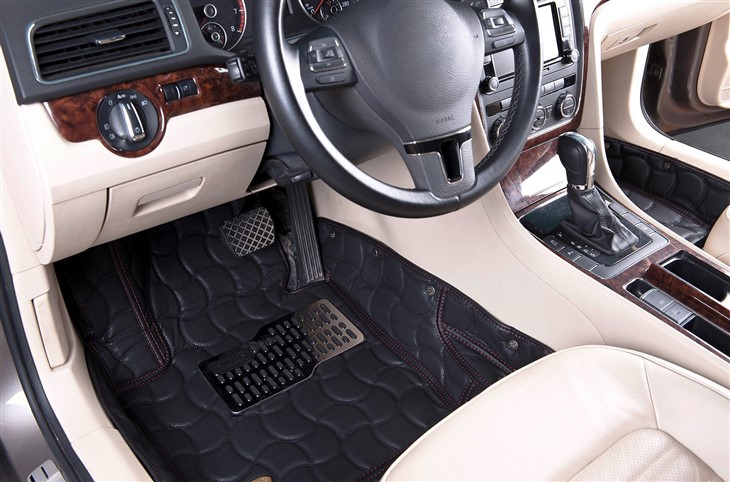
Microfiber base is typically composed of ultra - fine fibers, often with a diameter much smaller than that of natural fibers. These fibers are carefully engineered to provide a range of desirable characteristics. It is commonly used in the production of Breathable Microfiber Leather, Floor Leather, and Garment Microfiber Leather. Its structure gives it a soft feel, similar to natural leather in some cases, but with added benefits.

Advantages of Using Microfiber Base for Bags
1. Durability
One of the primary advantages of microfiber base for bag making is its durability. The fine fibers are tightly woven or bonded together, creating a strong and resilient material. Bags made from microfiber base can withstand daily wear and tear, including abrasion from rubbing against other objects, exposure to the elements, and the stress of carrying various items. This durability ensures that the bags have a longer lifespan, which is a significant selling point for consumers.
2. Lightweight
In today's fast - paced world, people often prefer lightweight bags that are easy to carry around. Microfiber base is inherently lightweight compared to many traditional materials used for bags, such as full - grain leather. This makes it an ideal choice for travel bags, backpacks, and handbags, as it won't add unnecessary weight to the overall load.
3. Cost - Effectiveness
Microfiber base is generally more cost - effective than natural leather. The production process of microfiber base can be more streamlined and less resource - intensive, resulting in a lower cost per unit. This cost advantage can be passed on to consumers, making bags made from microfiber base more accessible in terms of price. For manufacturers, it also means higher profit margins or the ability to offer more competitive pricing in the market.
4. Versatility in Design
Microfiber base can be easily customized in terms of color, texture, and finish. It can be dyed to achieve a wide range of colors, from classic neutrals to bold and vibrant hues. The texture can be adjusted to mimic different types of leather, such as smooth, pebbled, or suede - like finishes. This versatility allows designers to create bags that cater to various fashion trends and consumer preferences.
5. Easy Maintenance
Maintaining bags made from microfiber base is relatively easy. Unlike natural leather, which may require special cleaning products and regular conditioning, microfiber base can often be cleaned with a simple damp cloth. It is also more resistant to stains and water damage, making it suitable for everyday use in different environments.
Challenges of Using Microfiber Base for Bags
1. Perceived Quality
Despite its many advantages, some consumers may still perceive microfiber base as an inferior alternative to natural leather. The long - standing association of leather with luxury and high - quality products can make it challenging to convince some customers that microfiber base bags are a worthy choice. However, as the technology and manufacturing processes improve, the gap in perceived quality is gradually narrowing.
2. Environmental Impact (Perception)
Although microfiber base can be more sustainable in some aspects, such as reduced resource consumption during production, there is a perception that synthetic materials like microfiber may have a negative environmental impact. Some consumers are concerned about the disposal of microfiber products and the potential for microplastics to enter the environment. As a supplier, it's important to address these concerns by highlighting the eco - friendly aspects of our microfiber base, such as recyclability and energy - efficient production methods.
Case Studies: Successful Use of Microfiber Base in Bags
There are several examples of brands that have successfully used microfiber base in their bag collections. Some sportswear brands have introduced backpacks made from microfiber base, targeting active consumers who need durable and lightweight bags. These backpacks are designed with features like multiple compartments, padded straps, and water - resistant coatings, all made possible by the properties of microfiber base.
In the fashion industry, some designers have created elegant handbags using microfiber base with a high - end finish. These handbags are often indistinguishable from leather bags at first glance, but offer the benefits of lower cost and easier maintenance. The success of these brands demonstrates that microfiber base can be a viable option for bag manufacturing across different market segments.
The Future of Microfiber Base in Bag Making
The future looks promising for the use of microfiber base in bag making. As technology continues to advance, we can expect even better performance and quality from microfiber materials. For example, new manufacturing techniques may further improve the durability, breathability, and environmental friendliness of microfiber base.
In addition, changing consumer attitudes towards sustainability and cost - effectiveness are likely to drive the demand for microfiber base bags. Consumers are becoming more conscious of the environmental impact of their purchases and are increasingly willing to consider alternative materials. The ability of microfiber base to offer a balance between quality, affordability, and sustainability makes it well - positioned to capture a larger share of the bag market in the coming years.
Conclusion
In conclusion, microfiber base can definitely be used for making bags, and it offers a range of advantages that make it an attractive option for both manufacturers and consumers. While there are some challenges to overcome, such as perceived quality and environmental concerns, the benefits of durability, lightweight, cost - effectiveness, design versatility, and easy maintenance cannot be ignored.
As a microfiber base supplier, I am committed to providing high - quality microfiber materials that meet the needs of bag manufacturers. Our products are constantly evolving to address the challenges and take advantage of the opportunities in the market. If you are a bag manufacturer or a brand looking for a reliable and innovative material for your bag collections, I encourage you to contact us for a procurement discussion. We can work together to explore the possibilities and create bags that stand out in the market.
References
- "Materials for Fashion and Textiles" by Peter V. Ronn
- Industry reports on bag manufacturing and material trends


