

How does micro fiber suede perform in different climates?
Leave a message

Micro fiber suede is a remarkable material that has gained significant popularity in various industries, from fashion to automotive interiors. As a leading supplier of Micro Fiber Suede, I've had the privilege of witnessing its performance in a wide range of climates. In this blog, I'll delve into how micro fiber suede behaves under different weather conditions, offering insights that can help you make informed decisions when choosing materials for your projects.
Performance in Hot and Dry Climates
In regions characterized by high temperatures and low humidity, micro fiber suede demonstrates several advantageous properties. One of the key benefits is its breathability. Unlike some natural leathers that can become stuffy and uncomfortable in hot weather, micro fiber suede allows air to circulate, reducing the likelihood of sweating and discomfort. This makes it an excellent choice for summer clothing, such as jackets and shoes.
The material's resistance to moisture absorption is also a significant advantage in dry climates. Micro fiber suede does not absorb water easily, which means it won't become heavy or saggy when exposed to sweat or occasional light rain. This property also contributes to its durability, as it is less prone to mold and mildew growth that can occur in damp conditions.
However, it's important to note that in extremely hot and dry conditions, micro fiber suede may become brittle over time. The lack of moisture in the air can cause the material to lose its flexibility, leading to cracking or peeling. To mitigate this issue, it's recommended to apply a protective conditioning treatment regularly to keep the material supple.
Performance in Hot and Humid Climates
Hot and humid climates present a different set of challenges for materials. Micro fiber suede, however, holds up well in these conditions. Its synthetic nature makes it resistant to the growth of bacteria and fungi that thrive in moist environments. This is particularly important for applications such as upholstery in cars or furniture, where hygiene is a concern.
The material's water - repellent properties also come in handy in humid climates. It can withstand light rain and high humidity levels without absorbing excessive moisture. This helps to maintain the appearance and integrity of the micro fiber suede, preventing it from becoming discolored or warped.
On the other hand, in very high humidity, micro fiber suede may feel slightly sticky to the touch. This is due to the moisture in the air adhering to the surface of the material. To address this, regular cleaning with a mild detergent and water can help to remove any accumulated moisture and keep the material feeling fresh.

Performance in Cold and Dry Climates
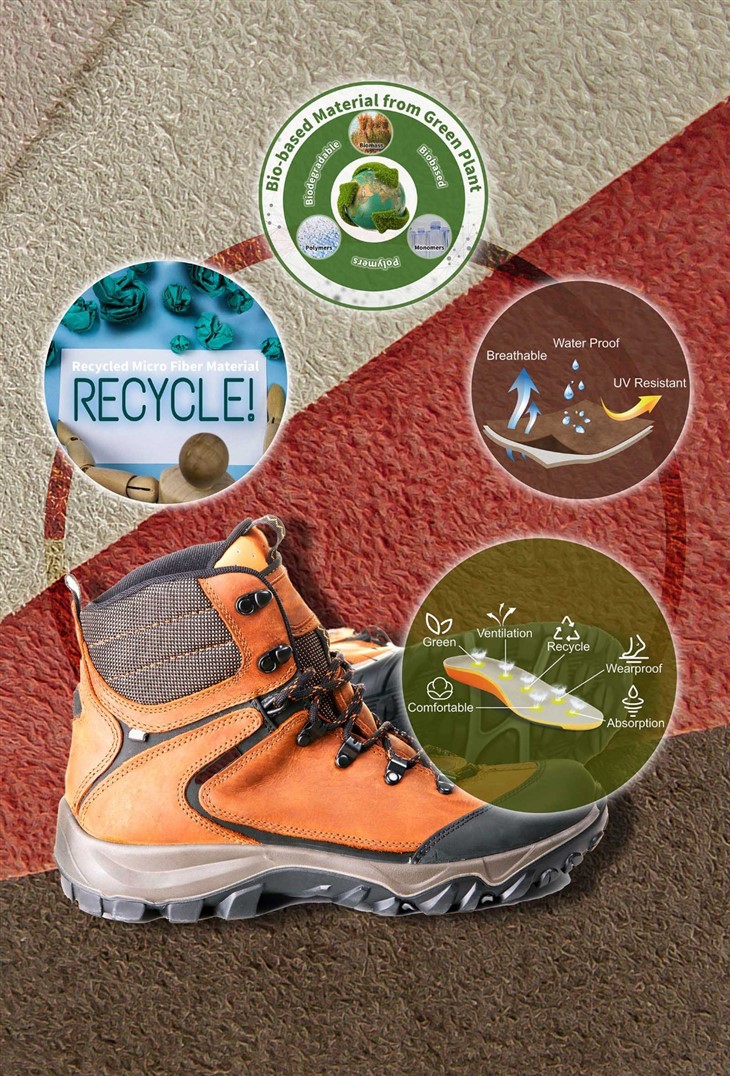
In cold and dry climates, micro fiber suede offers excellent insulation properties. Its fine fibers trap air, creating a layer of warmth that can be beneficial in winter clothing and accessories. This makes it a popular choice for items such as gloves, hats, and winter boots.
The material's resistance to moisture absorption is also an advantage in cold weather. It won't freeze or become stiff like some natural materials when exposed to sub - zero temperatures. This ensures that the micro fiber suede retains its flexibility and functionality even in the coldest conditions.
However, similar to hot and dry climates, extreme cold can cause micro fiber suede to become less pliable. To prevent this, it's advisable to store micro fiber suede products in a warm environment when not in use and to avoid exposing them to sudden temperature changes.
Performance in Cold and Wet Climates
Cold and wet climates pose unique challenges for materials. Micro fiber suede's water - repellent properties are crucial in these conditions. It can resist light snow and rain, keeping the underlying surface dry. This is especially important for outdoor applications such as outdoor furniture or automotive interiors that may be exposed to the elements.
The material's durability also makes it suitable for cold and wet climates. It is less likely to be damaged by freezing and thawing cycles compared to some natural leathers. However, if the micro fiber suede is exposed to prolonged periods of wetness, it may lose some of its water - repellent properties. In such cases, a water - repellent spray can be applied to restore its protective barrier.
Applications in Different Climates
The performance of micro fiber suede in different climates makes it suitable for a wide range of applications. In hot climates, it can be used for summer fashion items, such as Suede Shoes Leather for breathable and stylish footwear. In cold climates, it can be incorporated into winter clothing and accessories to provide warmth and protection.
For automotive interiors, micro fiber suede is an ideal choice regardless of the climate. Its resistance to moisture, bacteria, and wear makes it suitable for use in cars in both hot and humid regions and cold and wet areas. In the furniture industry, it can be used for upholstery, offering a luxurious look and feel while being easy to clean and maintain in various climates.
Conclusion
Micro fiber suede is a versatile material that performs well in a variety of climates. Its unique properties, such as breathability, water - repellency, and durability, make it a popular choice for many applications. Whether you're in a hot and dry desert, a humid tropical region, a cold and snowy area, or a wet coastal climate, micro fiber suede can meet your needs.
As a supplier of Microfiber Suede Leather, I'm committed to providing high - quality micro fiber suede products that are suitable for different climates. If you're interested in learning more about our products or have specific requirements for your projects, I encourage you to reach out to us for a detailed discussion. We can provide samples and technical support to help you make the best choice for your needs.
References
- "The Properties and Applications of Microfiber Materials" - Journal of Synthetic Materials
- "Climate - Resistant Textiles: A Review" - Textile Research Journal
- "Advances in Microfiber Suede Technology" - International Journal of Material Science


