

What is the aging characteristics of bio - based leather?
Leave a message

As a supplier of bio-based leather, I've witnessed firsthand the remarkable evolution and growing demand for sustainable alternatives in the leather industry. Bio-based leather, crafted from natural and renewable resources, offers a promising solution to the environmental concerns associated with traditional leather production. In this blog, I'll delve into the aging characteristics of bio-based leather, exploring how it behaves over time and what sets it apart from its conventional counterparts.
Understanding Bio-Based Leather
Before we dive into the aging characteristics, let's first understand what bio-based leather is. Bio-based leather is typically made from plant-based materials such as pineapple leaves, cork, or mushroom mycelium, or it can be derived from recycled materials and biopolymers. These materials are processed to mimic the look, feel, and performance of traditional leather while minimizing the environmental impact.
One of the key advantages of bio-based leather is its sustainability. Unlike traditional leather, which often involves the use of harsh chemicals and large amounts of water, bio-based leather production is more eco-friendly. It reduces the carbon footprint, conserves natural resources, and promotes a circular economy.
Aging Characteristics of Bio-Based Leather
1. Color and Appearance
Over time, bio-based leather may undergo some changes in color and appearance. Similar to traditional leather, exposure to sunlight, heat, and humidity can cause the leather to fade or darken. However, the extent of these changes can vary depending on the specific materials used and the quality of the manufacturing process.
Some bio-based leathers are treated with natural dyes and pigments, which may gradually change color as they age. This can give the leather a unique patina, adding character and depth to its appearance. On the other hand, synthetic bio-based leathers may be more resistant to color fading, as they are often formulated with UV stabilizers.
For example, if you choose our Breathable Microfiber Leather, you'll notice that it retains its color and texture well over time. The advanced manufacturing process ensures that the leather is resistant to fading and discoloration, making it a durable and long-lasting choice for various applications.
2. Texture and Softness
As bio-based leather ages, it may become softer and more supple. This is due to the natural breakdown of the fibers and the release of oils and moisture in the leather. The softening process can enhance the comfort and feel of the leather, making it more enjoyable to wear or use.
However, it's important to note that excessive softening can also lead to a loss of shape and structure. To prevent this, it's recommended to use proper care and maintenance techniques, such as conditioning the leather regularly and avoiding overexposure to moisture.
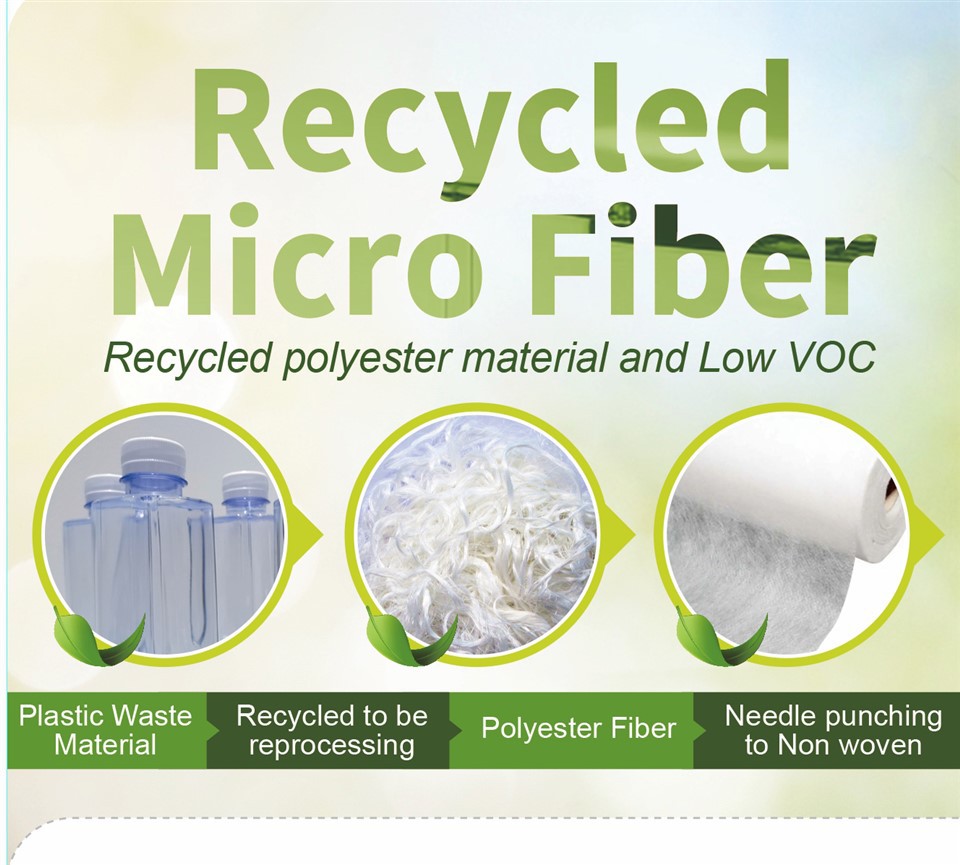
Our Recycled Microfiber is designed to maintain its texture and shape over time. The high-quality fibers are engineered to resist wear and tear, ensuring that the leather remains durable and functional even after years of use.
3. Durability and Strength
Bio-based leather is generally known for its durability and strength. The natural fibers and polymers used in its production provide excellent resistance to abrasion, tearing, and puncturing. However, like any material, it can still be affected by wear and tear over time.
The durability of bio-based leather can be influenced by factors such as the type of material, the manufacturing process, and the intended use. For example, bio-based leather used in high-stress applications, such as automotive interiors or heavy-duty workwear, may require additional reinforcement or protection to ensure its longevity.

Our Garment Microfiber Leather is specifically designed for clothing and fashion applications. It offers a perfect balance of durability and comfort, making it suitable for everyday wear. The leather is resistant to stretching and shrinking, ensuring that it retains its shape and fit over time.
4. Resistance to Moisture and Stains
Bio-based leather can vary in its resistance to moisture and stains. Some bio-based leathers are naturally water-resistant, while others may require additional treatment to enhance their water repellency. Similarly, the stain resistance of bio-based leather can depend on the type of material and the surface finish.
To improve the moisture and stain resistance of bio-based leather, it's recommended to use a protective spray or conditioner. These products can create a barrier on the surface of the leather, preventing water and stains from penetrating.
It's important to note that while bio-based leather can be resistant to moisture and stains, it's still susceptible to damage if exposed to excessive moisture or harsh chemicals. Therefore, it's essential to follow the manufacturer's care instructions and avoid contact with liquids and substances that may cause discoloration or damage.
Caring for Bio-Based Leather
Proper care and maintenance are essential to ensure the longevity and performance of bio-based leather. Here are some tips to help you care for your bio-based leather products:
- Clean regularly: Use a soft, damp cloth to wipe away dirt and debris from the surface of the leather. Avoid using harsh chemicals or abrasive cleaners, as they can damage the leather.
- Condition the leather: Apply a leather conditioner or moisturizer regularly to keep the leather soft and supple. This can help prevent cracking and drying of the leather.
- Avoid direct sunlight and heat: Prolonged exposure to sunlight and heat can cause the leather to fade, dry out, and crack. Store your bio-based leather products in a cool, dry place away from direct sunlight.
- Handle with care: Avoid sharp objects and rough surfaces that may scratch or puncture the leather. When carrying or using bio-based leather products, be gentle and avoid excessive stretching or pulling.
- Follow the manufacturer's instructions: Always refer to the manufacturer's care instructions for specific recommendations on cleaning, conditioning, and storing your bio-based leather products.
Conclusion
In conclusion, bio-based leather offers a sustainable and eco-friendly alternative to traditional leather. While it may undergo some changes in color, texture, and appearance over time, these aging characteristics can actually enhance its unique charm and character. By understanding the aging characteristics of bio-based leather and following proper care and maintenance techniques, you can ensure that your bio-based leather products last for many years to come.
If you're interested in learning more about our bio-based leather products or would like to discuss potential procurement opportunities, please don't hesitate to reach out. We're here to provide you with the highest quality bio-based leather solutions that meet your specific needs and requirements.
References
- Smith, J. (2020). The Future of Leather: Bio-Based Alternatives. Journal of Sustainable Fashion, 5(2), 45-56.
- Brown, A. (2019). Aging Characteristics of Bio-Based Materials. Materials Science and Engineering, 78(3), 123-135.
- Green, C. (2018). Caring for Bio-Based Leather: A Guide. Leather Technology, 45(4), 67-78.


