

What tools are needed to repair football leather?
Leave a message

Hey there, football enthusiasts and leather repair gurus! As a football leather supplier, I've seen my fair share of well-loved footballs that have seen better days. Whether it's due to rough play on the field, accidental punctures, or just plain old wear and tear, football leather can take a beating. But fear not! In this blog post, I'm going to walk you through the essential tools you'll need to repair your football leather and get your favorite ball back in the game.
1. Leather Glue
Let's start with the basics – leather glue. This is the go-to adhesive for any leather repair job. When you're dealing with a torn or separated piece of football leather, leather glue is what's going to hold it all together. You'll want to choose a high-quality glue that is specifically designed for leather. It should dry clear, be flexible, and have a strong bond.
When applying the leather glue, make sure the surfaces you're joining are clean and dry. Apply a thin, even layer of glue to both surfaces, and then press them together firmly. You might want to use some clamps or heavy objects to hold the surfaces in place while the glue dries. Depending on the type of glue you use, it could take anywhere from a few hours to overnight for it to fully set.
2. Leather Patch
Sometimes, a tear or hole in the football leather is too big to simply glue back together. That's where a leather patch comes in handy. You can find leather patches in various sizes and colors to match the original leather of your football. As a football leather supplier, I can tell you that it's a good idea to keep a few spare patches on hand for emergencies.
To apply a leather patch, first, clean the area around the tear or hole. Then, apply a layer of leather glue to the back of the patch and the area on the football where you'll be attaching it. Press the patch firmly onto the football, making sure there are no air bubbles or wrinkles. You can use a roller or your fingers to smooth out the patch and ensure a good bond.
3. Leather Needle and Thread
For more intricate repairs, like stitching up a small tear or reinforcing a seam, a leather needle and thread are essential. Leather needles are thicker and stronger than regular sewing needles, which makes them better suited for piercing through the tough leather of a football. You'll also want to use a strong, waxed thread that is resistant to fraying and breaking.
When stitching the leather, start by threading the needle and tying a knot at the end of the thread. Then, insert the needle through the leather at one end of the tear or seam, and pull the thread through until there is a small loop on the other side. Insert the needle back through the loop and pull it tight to create a stitch. Continue this process until you've stitched the entire tear or seam. Finish off by tying a knot at the end of the thread.
4. Leather Conditioner
Once you've repaired your football leather, it's important to take care of it to keep it in good condition. That's where leather conditioner comes in. Leather conditioner helps to keep the leather soft, supple, and resistant to cracking and drying out. It also helps to restore the natural color and shine of the leather.
To apply leather conditioner, simply pour a small amount onto a clean, soft cloth. Then, rub the conditioner into the leather in a circular motion, making sure to cover the entire surface of the football. Let the conditioner soak into the leather for a few minutes, and then wipe off any excess with a clean cloth.
5. Sandpaper
If the surface of your football leather is rough or has a few scratches, sandpaper can be used to smooth it out. You'll want to choose a fine-grit sandpaper, such as 220 or 320 grit, to avoid damaging the leather.
To use the sandpaper, gently rub it over the rough or scratched area in a circular motion. Be careful not to apply too much pressure, as this could cause the leather to tear. Once you've smoothed out the area, wipe away any dust with a clean cloth.
6. Leather Dye
If the color of your football leather has faded or if you want to change the color of your football, leather dye is the way to go. You can find leather dyes in a variety of colors, so you can choose the one that best matches the original color of your football or the color you want to achieve.
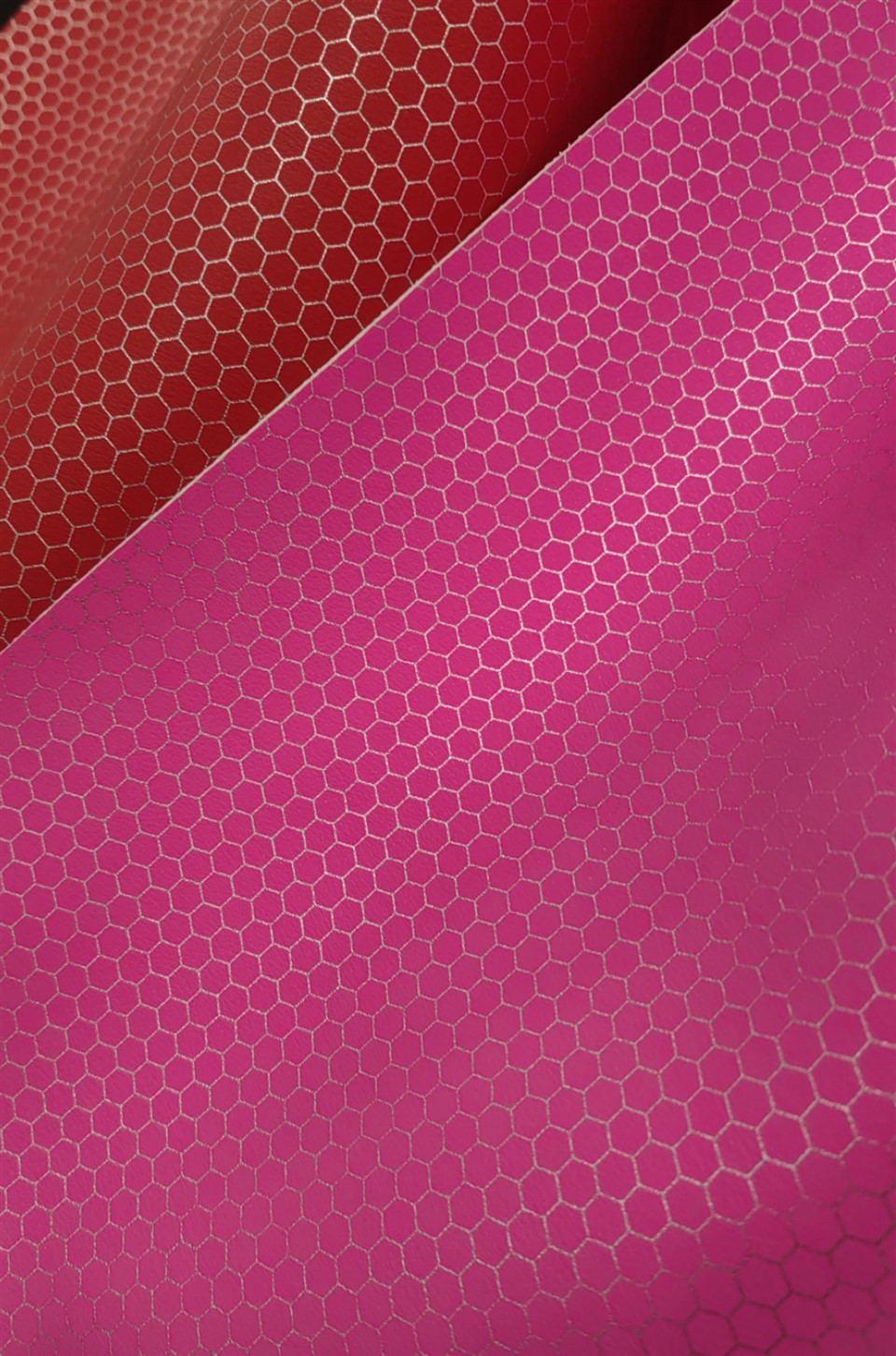

Before applying the leather dye, make sure the leather is clean and dry. Then, apply the dye to the leather using a clean, soft cloth or a sponge. Work the dye into the leather in a circular motion, making sure to cover the entire surface of the football. Let the dye dry completely before using the football.
7. Scissors
For cutting leather patches or trimming excess threads, a good pair of scissors is a must-have. You'll want to choose scissors that are sharp and have a comfortable grip. If you're working with thick leather, you might want to consider using a pair of heavy-duty scissors or a cutter.
Conclusion
And there you have it – the essential tools you need to repair football leather. Whether you're a professional repairman or a DIY enthusiast, having these tools on hand will help you keep your footballs in top condition.
As a football leather supplier, I offer high-quality Football Leather, Microfiber Football Leather, and Volleyball Leather. If you're in the market for football leather or have any questions about leather repair, feel free to reach out. We're here to help you find the perfect solution for your needs. Let's get those footballs back in action!
References
- "Leather Repair: A Complete Guide." Leatherworking Today.
- "The Ultimate Guide to Football Maintenance." Sports Equipment Magazine.


