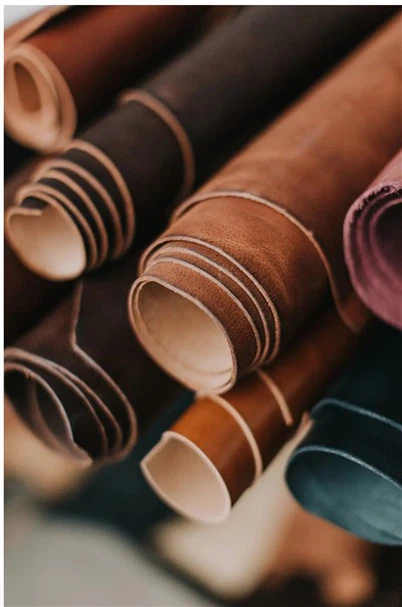
Can football leather be used for other sports equipment?
Leave a message

Hey there! I'm a supplier of football leather, and I've been thinking a lot lately about whether football leather can be used for other sports equipment. It's an interesting question, and I'm excited to dive into it with you.


First off, let's talk about what makes football leather special. Football leather is designed to be durable, flexible, and able to withstand a lot of wear and tear. It needs to be tough enough to handle the constant kicking, bouncing, and rubbing that happens during a game. Plus, it has to provide a good grip for players, so they can control the ball effectively.
Now, when it comes to using football leather for other sports equipment, there are a few things to consider. One of the main factors is the specific requirements of each sport. Different sports have different needs when it comes to the materials used in their equipment.
Let's start with volleyball. Volleyball is a fast-paced sport that involves a lot of hitting, passing, and serving. The ball needs to be light, bouncy, and easy to control. Volleyball Leather is typically made from materials that are smooth and have a good grip. While football leather is durable, it might be a bit too heavy and thick for a volleyball. However, if we're talking about using football leather for the outer layer of a volleyball, it could potentially add some extra durability and protection.
Basketball is another popular sport. Basketballs need to be round, bouncy, and have a good grip. Basketball Leather is usually made from materials that are soft and flexible, allowing players to dribble, shoot, and pass the ball with ease. Football leather, on the other hand, is more rigid and less flexible. Using football leather for a basketball might make it feel too stiff and difficult to handle. But again, if we're only using it for certain parts of the basketball, like the outer shell for added durability, it could work.
Then there are sports like rugby and American football. These sports are similar to regular football in terms of the physical contact and the need for durable equipment. In fact, rugby balls and American footballs are often made from leather or leather-like materials. So, it's quite possible that football leather could be used for these sports as well. The toughness and durability of football leather would make it a great choice for the outer layer of a rugby ball or an American football.
Another area where football leather could potentially be used is in the making of sports gloves. Gloves are important in many sports, including baseball, golf, and even cycling. They provide grip, protection, and comfort. Football leather's durability and grip could make it a suitable material for the palm or the outer part of sports gloves. It could help players hold onto their equipment better and reduce the risk of injury.
Now, let's talk about Microfiber Football Leather. Microfiber leather is a synthetic alternative to natural leather. It has many of the same properties as real leather, such as durability and a good grip, but it's often more affordable and easier to maintain. Microfiber football leather could be an even better option for other sports equipment. It's lighter and more flexible than traditional leather, which means it could be used more easily in sports like volleyball and basketball.
One of the advantages of using football leather for other sports equipment is cost. As a supplier, I know that leather can be quite expensive. But if we can find ways to use football leather in multiple sports, it could potentially reduce the overall cost of production. This could make sports equipment more affordable for athletes and sports enthusiasts.
However, there are also some challenges to using football leather for other sports equipment. One of the main challenges is the manufacturing process. Each sport has its own specific manufacturing requirements, and adapting football leather to these requirements might not be easy. It might require some changes in the production process, which could add to the cost and complexity.
Another challenge is the aesthetic. Different sports have different looks and styles. Football leather has a certain look and feel that might not be suitable for all sports. For example, a volleyball or a basketball made from football leather might not have the same sleek and modern look as one made from traditional volleyball or basketball leather.
In conclusion, while there are some challenges, I believe that football leather can definitely be used for other sports equipment. It has the durability, grip, and other properties that are important in sports. Whether it's for volleyballs, basketballs, rugby balls, sports gloves, or other equipment, there are potential applications for football leather.
If you're interested in exploring the possibility of using football leather for your sports equipment, I'd love to have a chat with you. As a supplier, I have the knowledge and experience to help you find the right solution for your needs. Whether it's microfiber football leather or traditional leather, I can provide you with high-quality materials at competitive prices. So, don't hesitate to reach out and start a conversation about potential procurement.
References
- General knowledge about sports equipment materials and manufacturing processes.
- Industry insights and trends in the sports equipment market.