

How does microfiber base perform in terms of breathability in masks?
Leave a message

In the context of personal protective equipment, masks have become an integral part of our daily lives. Addressing the concerns about breathability in masks is crucial, as it directly impacts the comfort and compliance of users. Among the various materials used in mask production, microfiber base has emerged as a promising option. As a leading microfiber base supplier, I am eager to explore how microfiber base performs in terms of breathability in masks.
Understanding Microfiber Base
Microfiber base is a synthetic material engineered to possess a unique combination of properties. It is crafted from extremely fine fibers, often with diameters less than a tenth of a human hair. This fine - scale structure gives microfiber base several advantageous characteristics.
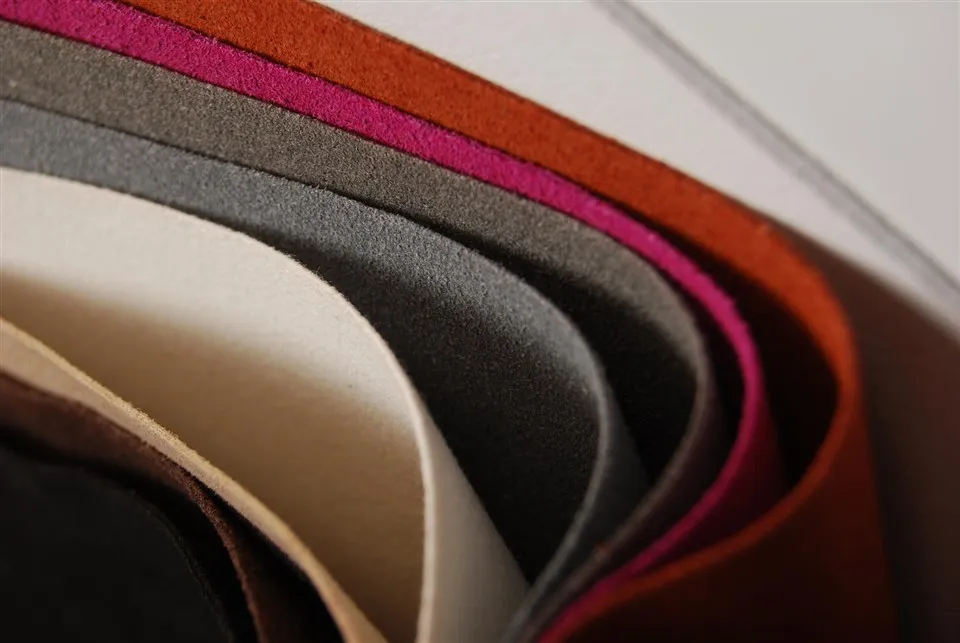
The Microfiber Base we supply is designed to be lightweight, soft, and have a high surface area. These features are not only beneficial for handling and comfort but also play a significant role in how the material interacts with air and moisture. The high surface area allows for increased air pockets within the material, which is a key factor in its breathability.
The Science of Breathability in Masks
Breathability in masks is determined by the ability of the material to allow air and moisture vapor to pass through. When we breathe, we exhale warm, moist air. If a mask does not allow this moisture to escape, it can build up inside the mask, leading to discomfort, fogging of glasses, and in some cases, skin issues such as acne.
The air permeability of a mask material is measured in terms of the rate at which air can pass through a given area of the material under a specific pressure difference. For a mask to be breathable, it should have a relatively high air permeability. Additionally, the moisture - vapor transmission rate (MVTR) is another important metric. A higher MVTR indicates that the material can effectively transfer moisture vapor from the inside of the mask to the outside.
How Microfiber Base Facilitates Breathability
Air Permeability
The fine fibers of the microfiber base create a porous structure. These pores are large enough to allow air molecules to flow through easily. When compared to some traditional mask materials, such as thick woven fabrics, microfiber base offers better air permeability. The interconnected air channels within the microfiber base allow for a more efficient exchange of air, reducing the feeling of suffocation that some users experience with less breathable masks.

Moisture - Vapor Transmission
Microfiber base has excellent moisture - wicking properties. The high surface area of the microfibers provides more sites for moisture absorption and evaporation. When moisture from our exhaled breath comes into contact with the microfiber base, it spreads out across the fibers, increasing the surface area available for evaporation. This process helps to keep the inside of the mask dry and comfortable.
Comfort and Fit
The softness and flexibility of microfiber base also contribute to its breathability in a more indirect way. A well - fitting mask is essential for effective protection, but if the material is too stiff or uncomfortable, users may adjust the mask frequently, which can disrupt the air and moisture flow. Microfiber base can be easily molded to fit the face, providing a snug yet comfortable fit. This reduces air leakage around the edges of the mask and ensures that the air and moisture are channeled through the breathable material.
Comparing Microfiber Base with Other Materials
Cotton
Cotton is a commonly used material in masks. While it is natural and breathable to some extent, it has limitations. Cotton fibers can become saturated with moisture, which reduces its breathability over time. In contrast, microfiber base can quickly wick away moisture, maintaining its breathability even during prolonged use.
Polypropylene
Polypropylene is widely used in medical masks. It has good filtration properties but is often less breathable compared to microfiber base. Polypropylene can create a barrier to air and moisture flow, especially in thicker layers. Microfiber base offers a more balanced combination of filtration and breathability.
Applications of Microfiber Base in Different Types of Masks
Medical Masks
In medical settings, where comfort and breathability are essential for long - term use, microfiber base can be used as an inner layer or as part of a multi - layer construction. It can enhance the overall comfort of medical masks without sacrificing filtration efficiency.
Fashion Masks
Fashion masks are designed not only for protection but also for style. Microfiber base can be easily dyed and printed, making it suitable for fashion - oriented masks. Its breathability ensures that users can wear these masks for extended periods without discomfort.
Sports Masks
For sports enthusiasts, breathability is a top priority. Microfiber base's ability to allow air and moisture to pass through makes it an ideal material for sports masks. It can keep the wearer cool and dry during physical activities.
Related Microfiber Products
In addition to the microfiber base, we also offer Microfiber Nappa Leather and Recycled Microfiber. Microfiber Nappa Leather provides a luxurious feel and is suitable for high - end mask designs. Recycled Microfiber is an eco - friendly option, which aligns with the growing demand for sustainable products in the market.
The Future of Microfiber Base in Mask Production
As the demand for more comfortable and breathable masks continues to grow, microfiber base is likely to play an increasingly important role. Ongoing research and development efforts are focused on further improving the breathability and other properties of microfiber base. For example, new manufacturing techniques may be developed to create even more porous microfiber structures without sacrificing strength or filtration efficiency.
Conclusion and Invitation to Purchase
In conclusion, microfiber base performs exceptionally well in terms of breathability in masks. Its unique structure allows for efficient air and moisture exchange, providing users with a comfortable wearing experience. Whether it is for medical, fashion, or sports applications, microfiber base is a reliable material choice.
If you are interested in incorporating microfiber base into your mask production, we invite you to contact us for further discussion. We are ready to provide you with high - quality microfiber base products and offer professional advice on mask design and material selection. Let us work together to create masks that are not only effective in protection but also comfortable to wear.
References
- ASTM International. (20XX). Standard Test Methods for Air Permeability of Textile Fabrics.
- ISO (International Organization for Standardization). (20XX). Standards on Moisture Vapor Transmission Testing.
- Research papers on microfiber materials from leading academic journals such as "Journal of Materials Science" and "Textile Research Journal".


