

Can recycled microfiber be used for making backpacks?
Leave a message

Can recycled microfiber be used for making backpacks?
In recent years, the demand for sustainable and eco - friendly products has been on the rise. As a recycled microfiber supplier, I've often been asked whether recycled microfiber can be used for making backpacks. In this blog, I'll explore the viability of using recycled microfiber in backpack production, considering its properties, environmental benefits, and potential challenges.
Properties of Recycled Microfiber
Recycled microfiber is a material that offers several advantages for backpack manufacturing. First and foremost, it has excellent durability. Microfiber is composed of extremely fine fibers, which are tightly woven together. This results in a material that can withstand significant wear and tear, making it suitable for the rough and tumble of daily use. Backpacks are often subjected to heavy loads, being tossed around, and rubbing against various surfaces. Recycled microfiber can endure these conditions better than many other materials, ensuring that the backpack has a long lifespan.
Another important property is its water - resistance. Microfiber has a natural ability to repel water to a certain extent. This is crucial for backpacks, as it protects the contents from getting wet in case of light rain or accidental spills. Compared to traditional fabrics, recycled microfiber can keep items dry for longer periods, providing an extra layer of protection.
In terms of weight, recycled microfiber is relatively lightweight. This is a significant advantage for backpacks, especially those designed for travel or outdoor activities. A lighter backpack means less strain on the wearer's back and shoulders, making it more comfortable to carry over long distances.
Environmental Benefits
One of the most compelling reasons to use recycled microfiber for backpacks is its positive environmental impact. By using recycled materials, we're reducing the amount of waste that ends up in landfills. The production of new microfiber requires significant amounts of resources, including energy and raw materials. Recycling microfiber reduces the need for these virgin resources, conserving them for future generations.
Recycling also helps to lower the carbon footprint associated with the production process. The energy required to recycle microfiber is generally less than that needed to produce new microfiber from scratch. This reduction in energy consumption leads to fewer greenhouse gas emissions, contributing to a more sustainable planet.

Moreover, as a supplier of recycled microfiber, I ensure that the recycling process is carried out in an environmentally responsible manner. We adhere to strict environmental standards to minimize any potential negative impacts on the ecosystem.
Potential Challenges
While recycled microfiber has many benefits, there are also some potential challenges to consider when using it for backpacks. One issue is the perception of quality. Some consumers may have the misconception that recycled materials are of lower quality compared to new ones. However, this is often not the case. Our recycled microfiber undergoes rigorous testing to ensure that it meets or exceeds the same quality standards as new microfiber.
Another challenge is the cost. Recycling microfiber can be more expensive than producing new microfiber in some cases. This cost may be passed on to the consumer, making backpacks made from recycled microfiber slightly more expensive. However, as the demand for sustainable products increases and the technology for recycling improves, we expect the cost to become more competitive over time.
Examples of Recycled Microfiber Applications
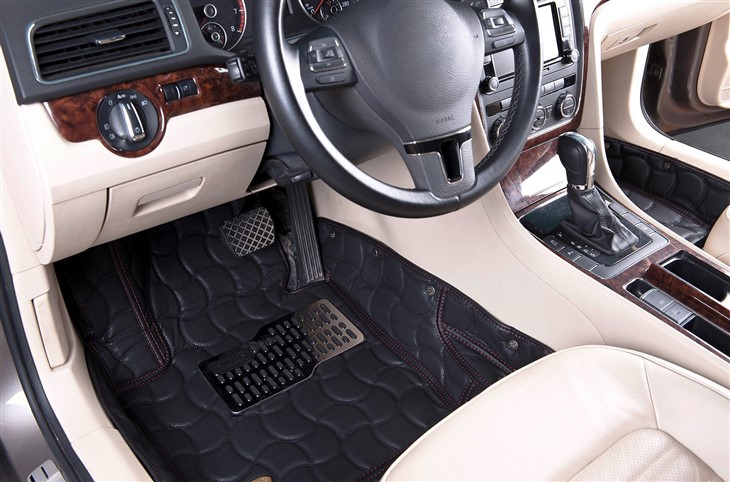
Recycled microfiber has already found its way into various applications, which gives us confidence in its suitability for backpacks. For instance, Bio-based Microfiber Leather is a type of microfiber product that combines the benefits of bio - based materials with the properties of microfiber. It has been used in the automotive and furniture industries, where durability and aesthetics are important.
Floor Leather is another example. This product showcases the versatility of microfiber. It is used for flooring applications, where it needs to be resistant to abrasion and easy to clean. These successful applications demonstrate that recycled microfiber can perform well in different environments, suggesting that it can also be a great choice for backpacks.
Solvent Free Leather is yet another application of microfiber technology. It is a more environmentally friendly alternative to traditional leather, free from harmful solvents. This type of microfiber can be used in backpack manufacturing, providing a sustainable and high - quality option.
Conclusion
In conclusion, recycled microfiber can indeed be used for making backpacks. Its durability, water - resistance, and lightweight properties make it a suitable material for this application. The environmental benefits are also significant, as using recycled microfiber helps to reduce waste and lower the carbon footprint. While there are some challenges, such as perception of quality and cost, these can be overcome with proper education and technological advancements.
If you're a backpack manufacturer or a retailer interested in using recycled microfiber for your products, I encourage you to reach out for a procurement discussion. We can work together to develop high - quality, sustainable backpacks that meet the needs of your customers.
References
- "Microfiber Technology and Applications" - Journal of Material Science
- "Sustainable Recycling of Textile Fibers" - Environmental Science Review
- "The Future of Eco - Friendly Materials in Consumer Goods" - Industry Insights Report


