

Can sports shoe leather be used in trail running shoes?
Leave a message

Hey there, fellow running enthusiasts! I'm a supplier of sports shoe leather, and I've been getting a bunch of questions lately about whether sports shoe leather can be used in trail running shoes. So, I thought I'd write this blog to share my thoughts and insights on the matter.
What Makes Trail Running Shoes Special?
Before we dive into whether sports shoe leather is a good fit for trail running shoes, let's first understand what makes trail running shoes unique. Trail running is all about tackling uneven terrain, rocky paths, and muddy trails. Unlike road running shoes, trail running shoes need to provide extra support, traction, and durability to keep you safe and comfortable on the trails.
Key features of trail running shoes include:
- Traction: A grippy outsole is essential for maintaining traction on slippery and uneven surfaces.
- Support: Trail running shoes often have more substantial midsoles and overlays to provide stability and support during lateral movements.
- Durability: Given the rough and rugged nature of trails, trail running shoes need to be made from durable materials that can withstand abrasion and wear.
- Protection: Many trail running shoes offer protection against rocks, roots, and other hazards on the trail.
Can Sports Shoe Leather Meet These Requirements?
Now, let's talk about sports shoe leather. As a supplier, I offer a wide range of leather products that are designed specifically for sports shoes. But can these leathers be used in trail running shoes? The answer is yes, but it depends on a few factors.
Durability
One of the key requirements for trail running shoes is durability. Leather is generally a durable material, but not all leathers are created equal. Some leathers are more prone to abrasion and wear than others. For trail running shoes, you'll want to choose a leather that is tough and resistant to scratches and tears.
For example, our Army And Police Shoe Leather is specifically designed for high - stress applications. It's made from high - quality materials that can withstand the rigors of extreme use, making it a great option for trail running shoes.
Traction and Support
While leather itself doesn't directly contribute to traction, it can be combined with other materials to create a trail - worthy shoe. When it comes to support, leather can provide a certain level of structure and stability to the shoe. However, it's often used in conjunction with other supportive elements like overlays and midsoles.
Breathability
Another important factor in trail running shoes is breathability. When you're running on the trails, your feet can get sweaty, and if the shoes aren't breathable, it can lead to discomfort and blisters. Luckily, we also offer Breathable Leather. This type of leather is designed to allow air to circulate around your feet, keeping them cool and dry even during intense runs.
Protection
Leather can offer a certain degree of protection against minor abrasions and impacts. However, for more serious protection from rocks and roots, additional features like rubber toe caps or protective overlays might be needed.
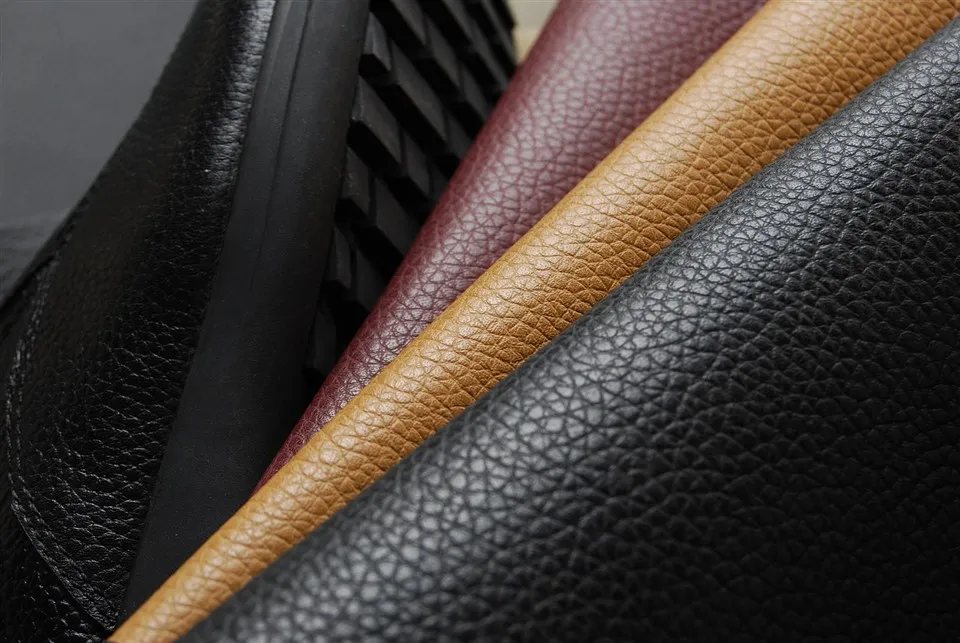

Advantages of Using Sports Shoe Leather in Trail Running Shoes
- Style: Leather gives trail running shoes a classic and stylish look. It's a material that ages well and can add a touch of sophistication to your running gear.
- Comfort: Leather has a natural ability to conform to the shape of your feet over time. This means that leather trail running shoes can become more comfortable with wear, providing a custom - fit feel.
- Environmentally Friendly: Compared to some synthetic materials, leather is a more natural and biodegradable option. If you're a environmentally - conscious runner, using leather shoes can be a better choice.
Disadvantages of Using Sports Shoe Leather in Trail Running Shoes
- Weight: Leather can be heavier than some synthetic materials. For ultra - lightweight trail running shoes, leather might not be the best option as it can add extra weight and slow you down.
- Water Resistance: While leather can be treated to be water - resistant, it generally doesn't perform as well as some waterproof synthetic materials. If you often run in wet conditions, you might need to take extra care to keep your leather shoes dry.
- Cost: High - quality leather can be more expensive than synthetic alternatives. This can make leather trail running shoes pricier, which might be a consideration for some budget - conscious runners.
Making the Decision
So, should you use sports shoe leather in your trail running shoes? Well, it really depends on your personal preferences and running style. If you value durability, style, and a comfortable fit, leather can be a great option. On the other hand, if you're looking for the lightest weight and the best water - resistance, you might want to consider synthetic materials.
If you're a shoe manufacturer or a brand looking to explore using our sports shoe leather for your trail running shoes, we'd love to hear from you. We can provide samples of our different leather products, including Army And Police Shoe Leather, Safety Shoe Leather, and Breathable Leather. You can reach out to us to discuss your specific needs, and we'll work with you to find the perfect leather solution for your trail running shoe line.
References
- Burkett, B. L., & De Souza, C. A. (1994). Runner's World Complete Book of Running. Rodale Press.
- Tessitore, A. (2019). The Ultimate Guide to Trail Running. Falcon Guides.


