

How do I measure the leather thickness of a volleyball?
Leave a message

Hey there! I'm a supplier of volleyball leather, and I often get asked about how to measure the leather thickness of a volleyball. It might seem like a simple question, but there's actually quite a bit to it. In this blog, I'll share with you some practical ways to measure volleyball leather thickness, and why it matters.
First off, why is measuring the leather thickness of a volleyball important? Well, the thickness of the leather can have a big impact on the performance of the ball. If the leather is too thin, the ball might not be durable enough and could wear out quickly. On the other hand, if it's too thick, the ball might be too heavy and difficult to handle. So, getting the right thickness is crucial for making a high - quality volleyball.
Let's talk about the tools you'll need to measure the leather thickness. One of the most common tools is a micrometer. A micrometer is a precision measuring instrument that can give you very accurate readings. You can find different types of micrometers, but for measuring volleyball leather, a digital micrometer is a great choice. It's easy to use and provides clear, digital readouts. You can pick one up at a local hardware store or order it online.
Another tool that can be used is a caliper. Calipers are also used for measuring thickness, and they come in different styles, such as vernier calipers and digital calipers. Digital calipers are more user - friendly, especially if you're not very experienced with measuring tools. They can measure thickness quickly and accurately.
Now, let's get into the actual process of measuring the leather thickness.
Step 1: Prepare the Leather Sample
If you're a volleyball leather supplier like me, you probably have samples of the leather. Before you start measuring, make sure the leather sample is clean and free from any debris or wrinkles. If there are any wrinkles, gently smooth them out. You want to measure the leather in its natural, flat state to get an accurate reading.
Step 2: Take Multiple Measurements
Don't just take one measurement and call it a day. The thickness of the leather can vary slightly across different parts of the sheet. So, take measurements at several different points on the leather. For example, you can measure the thickness at the corners, the center, and a few random spots in between. This will give you a more accurate picture of the overall thickness of the leather.
Step 3: Use the Measuring Tool
If you're using a micrometer, open the jaws of the micrometer and place the leather sample between them. Gently close the jaws until they touch the leather on both sides. Make sure the leather is not pinched or distorted. Then, read the measurement on the digital display. If you're using a caliper, open the caliper's jaws, insert the leather, and close the jaws until they make contact with the leather. Read the measurement on the caliper's scale.
Step 4: Record and Analyze the Results
Write down all the measurements you've taken. Then, calculate the average thickness of the leather. You can do this by adding up all the measurements and dividing by the number of measurements you took. This average thickness will give you a good indication of the overall thickness of the leather.
It's also important to note that different types of volleyballs might require different leather thicknesses. For example, professional - grade volleyballs might need a more precise and consistent leather thickness compared to recreational volleyballs. As a supplier, I always make sure to provide leather with the right thickness according to the customer's requirements.
Now, let's talk about the quality control aspect. Measuring the leather thickness is a key part of quality control in the volleyball manufacturing process. By ensuring that the leather thickness is within the specified range, we can guarantee that the volleyballs will have consistent performance. This is important for both the players and the manufacturers. Players want a volleyball that feels and performs the same every time they play, and manufacturers want to produce high - quality products that meet the market's expectations.

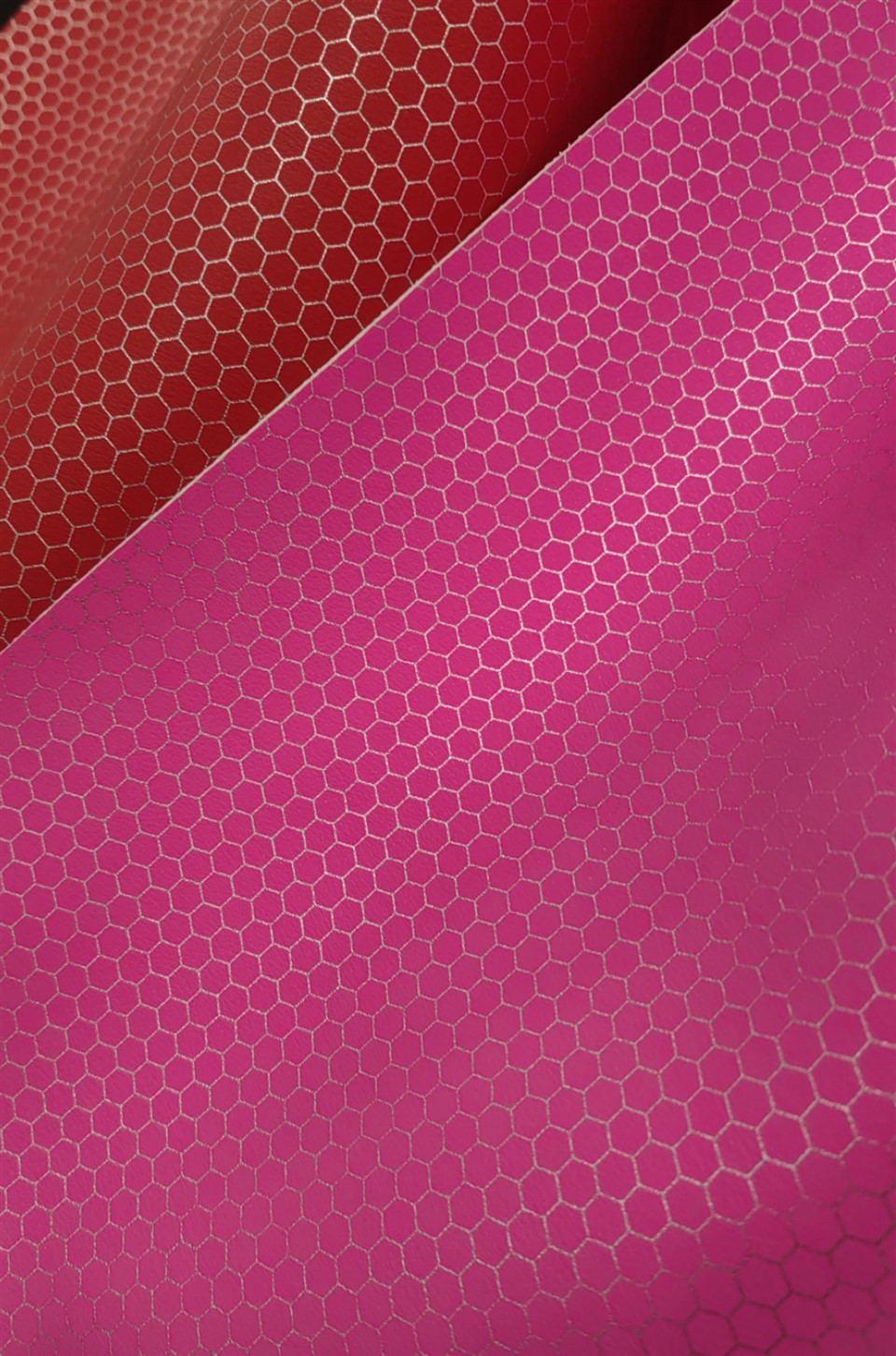
As a volleyball leather supplier, I offer a wide range of leather products. In addition to Volleyball Leather, we also have Basketball Leather and Microfiber Football Leather. Our leathers are made from high - quality materials and are carefully processed to ensure the right thickness and quality.
If you're in the business of making volleyballs, basketballs, or footballs, and you're looking for reliable leather suppliers, we'd love to hear from you. We can provide you with samples so that you can test the leather and measure its thickness yourself. Our team is always ready to assist you in choosing the right leather for your products. Whether you need a specific thickness or a particular type of leather, we can work with you to meet your needs.
In conclusion, measuring the leather thickness of a volleyball is an important process that requires the right tools and techniques. By taking accurate measurements and ensuring consistent thickness, we can produce high - quality volleyballs that perform well on the court. If you're interested in our volleyball leather or other ball - related leather products, don't hesitate to reach out for a consultation. We're here to help you make the best - quality balls in the market.
References
- General knowledge about ball manufacturing and leather measurement techniques.


