

How does breathable leather compare to fabric in terms of breathability?
Leave a message

In the world of materials used for various products, especially in footwear and upholstery, breathability is a crucial factor. Breathable materials allow air to circulate, keeping the feet or the body part in contact with the material dry and comfortable. Two commonly used materials in this context are breathable leather and fabric. As a supplier of breathable leather, I am well - versed in the properties of both materials and can provide an in - depth comparison of their breathability.
Understanding Breathability
Before delving into the comparison, it's essential to understand what breathability means. Breathability refers to the ability of a material to allow moisture vapor (such as sweat) to pass through it and escape into the surrounding environment. A breathable material helps prevent the build - up of heat and moisture, which can lead to discomfort, odors, and even skin problems.
Breathability of Fabric
Fabric is a broad term that encompasses a wide range of materials, including cotton, polyester, nylon, and mesh. Each type of fabric has different breathability characteristics.
Cotton is a natural fiber known for its excellent breathability. It has a porous structure that allows air to flow through easily, and it can absorb and release moisture effectively. This makes cotton a popular choice for summer clothing and casual footwear linings. However, cotton can become heavy when wet, and it may take some time to dry.
Polyester and nylon are synthetic fabrics. They are often used in sportswear and outdoor gear. These fabrics are lightweight and quick - drying, but their breathability can vary. Some polyester and nylon fabrics are treated to enhance their moisture - wicking properties, which help move sweat away from the body. But in general, they may not be as breathable as natural fibers like cotton.

Mesh fabrics are specifically designed for high breathability. They have a large number of small holes that allow for maximum air circulation. Mesh is commonly used in sports shoes, where keeping the feet cool and dry is of utmost importance.
Breathability of Breathable Leather
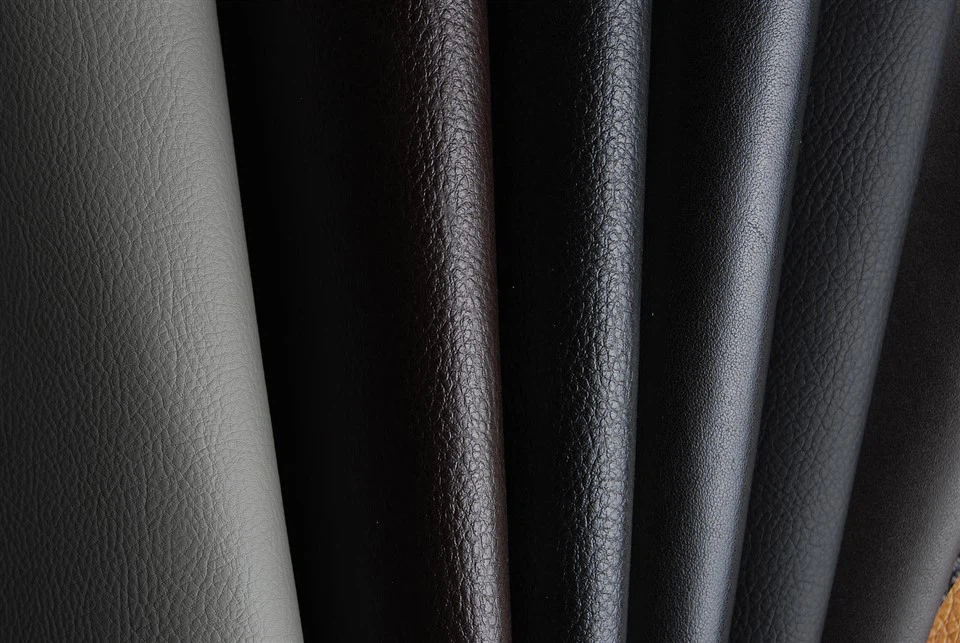
Breathable leather, on the other hand, is a specialized type of leather that has been engineered to have enhanced breathability. Traditional leather has a relatively low breathability because of its dense structure. However, modern manufacturing techniques have made it possible to create leather with improved air permeability.
One of the ways to make leather breathable is by treating it with special chemicals that open up the pores in the leather. This allows moisture vapor to pass through the leather more easily. Another method is to use microfiber technology. Microfiber leather is a synthetic alternative to natural leather that can be designed to have excellent breathability. It consists of fine fibers that create a porous structure, similar to that of a fabric.
As a breathable leather supplier, we offer a variety of breathable leather products, including Children Shoe Leather, Sports Shoe Leather, and Microfiber Suede Safety Shoe Leather. These products are designed to provide the comfort and breathability required for different applications.
Comparison of Breathability
When comparing breathable leather and fabric in terms of breathability, several factors need to be considered.
Air Circulation
Fabric, especially mesh, generally allows for better air circulation than leather. The open structure of mesh fabrics creates a direct path for air to flow in and out, which helps keep the area cool. However, breathable leather can also provide sufficient air circulation, especially when it has been treated to increase its porosity. In some cases, the air circulation in breathable leather can be comparable to that of certain types of fabric.
Moisture Management
Both breathable leather and fabric can absorb and release moisture. Fabric, particularly cotton, has a high moisture - absorbing capacity. It can soak up a significant amount of sweat, but it may take longer to dry. Breathable leather, on the other hand, can wick away moisture more quickly. The treated pores in the leather allow moisture vapor to escape rapidly, keeping the surface dry. This makes breathable leather a good choice for applications where quick drying is essential, such as in sports shoes.
Comfort in Different Conditions
In hot and humid conditions, fabric may be more comfortable initially because of its high breathability. However, if the fabric gets wet, it can become heavy and sticky, which may reduce comfort. Breathable leather, on the other hand, can maintain its shape and comfort even when exposed to moisture. It is also more durable than most fabrics, which means it can withstand repeated use and washing without losing its breathability.
Durability and Long - Term Breathability
Fabric may lose its breathability over time, especially if it is exposed to harsh chemicals or excessive wear and tear. The pores in the fabric can become clogged, reducing air circulation. Breathable leather, on the other hand, is more resistant to damage. The treatment and structure of breathable leather are designed to maintain its breathability for a longer period. This makes it a more cost - effective option in the long run.
Applications
The choice between breathable leather and fabric depends on the specific application.
In the footwear industry, both materials are widely used. Fabric is often used for the upper part of casual shoes and the lining of sports shoes because of its breathability and softness. Breathable leather, on the other hand, is a popular choice for high - end shoes, work shoes, and sports shoes that require durability and moisture management. Our Children Shoe Leather provides a combination of comfort and durability for young feet, while Sports Shoe Leather is designed to meet the high - performance requirements of athletes.
In the upholstery industry, breathable leather is often preferred for furniture because of its durability and aesthetic appeal. It can provide a comfortable seating experience while also withstanding the wear and tear of daily use. Fabric, on the other hand, is commonly used for decorative purposes or in areas where a softer touch is desired.
Conclusion
In conclusion, both breathable leather and fabric have their advantages and disadvantages in terms of breathability. Fabric generally offers better initial breathability, especially in the form of mesh. However, breathable leather provides better moisture management, durability, and long - term breathability.
As a breathable leather supplier, we believe that breathable leather is a versatile and high - performance material that can meet the needs of various industries. Whether you are looking for a material for footwear, upholstery, or other applications, breathable leather is a reliable choice.
If you are interested in learning more about our breathable leather products or would like to discuss your specific requirements, we invite you to contact us for a purchasing negotiation. We are committed to providing high - quality products and excellent customer service.
References
- ASTM International. (2019). Standard Test Method for Water Vapor Transmission Rate Through Textile Fabrics. ASTM E96/E96M - 19.
- Leather Industries of America. (2020). Leather Science and Technology.
- Textile Institute. (2018). Handbook of Textile Fibre Structure.


