

How does football leather affect the performance of a football?
Leave a message

Football, a global phenomenon, captivates millions with its thrilling matches and competitive spirit. At the heart of this exhilarating sport lies the football itself, a carefully crafted piece of equipment that can significantly influence the outcome of a game. One of the most crucial factors affecting a football's performance is the type of leather used in its construction. As a leading football leather supplier, I have witnessed firsthand how different types of leather can impact a football's performance, and in this blog, I will delve into the science behind it.
The Basics of Football Leather
Before we explore how football leather affects performance, let's first understand the different types of leather commonly used in football manufacturing. Traditionally, natural leather, such as cowhide, was the material of choice for footballs. Natural leather offers excellent durability, a soft feel, and good grip, making it a favorite among professional players. However, natural leather is also prone to water absorption, which can cause the ball to become heavy and lose its shape in wet conditions.
In recent years, synthetic materials, such as microfiber, have gained popularity as an alternative to natural leather. Microfiber leather is made from a combination of polyester and polyurethane, which offers several advantages over natural leather. It is lightweight, water-resistant, and more consistent in quality, making it a reliable choice for footballs used in various weather conditions.
Impact on Grip and Control
One of the most significant ways football leather affects performance is through its impact on grip and control. A football with good grip allows players to hold the ball firmly, make accurate passes, and execute precise shots. Natural leather, with its porous surface, provides excellent grip, especially when the ball is dry. The pores on the leather surface create friction between the ball and the player's hands or feet, allowing for better control.
However, as mentioned earlier, natural leather absorbs water, which can significantly reduce its grip in wet conditions. When the leather gets wet, the pores become filled with water, reducing the friction and making the ball slippery. This can make it challenging for players to control the ball, leading to more turnovers and missed opportunities.
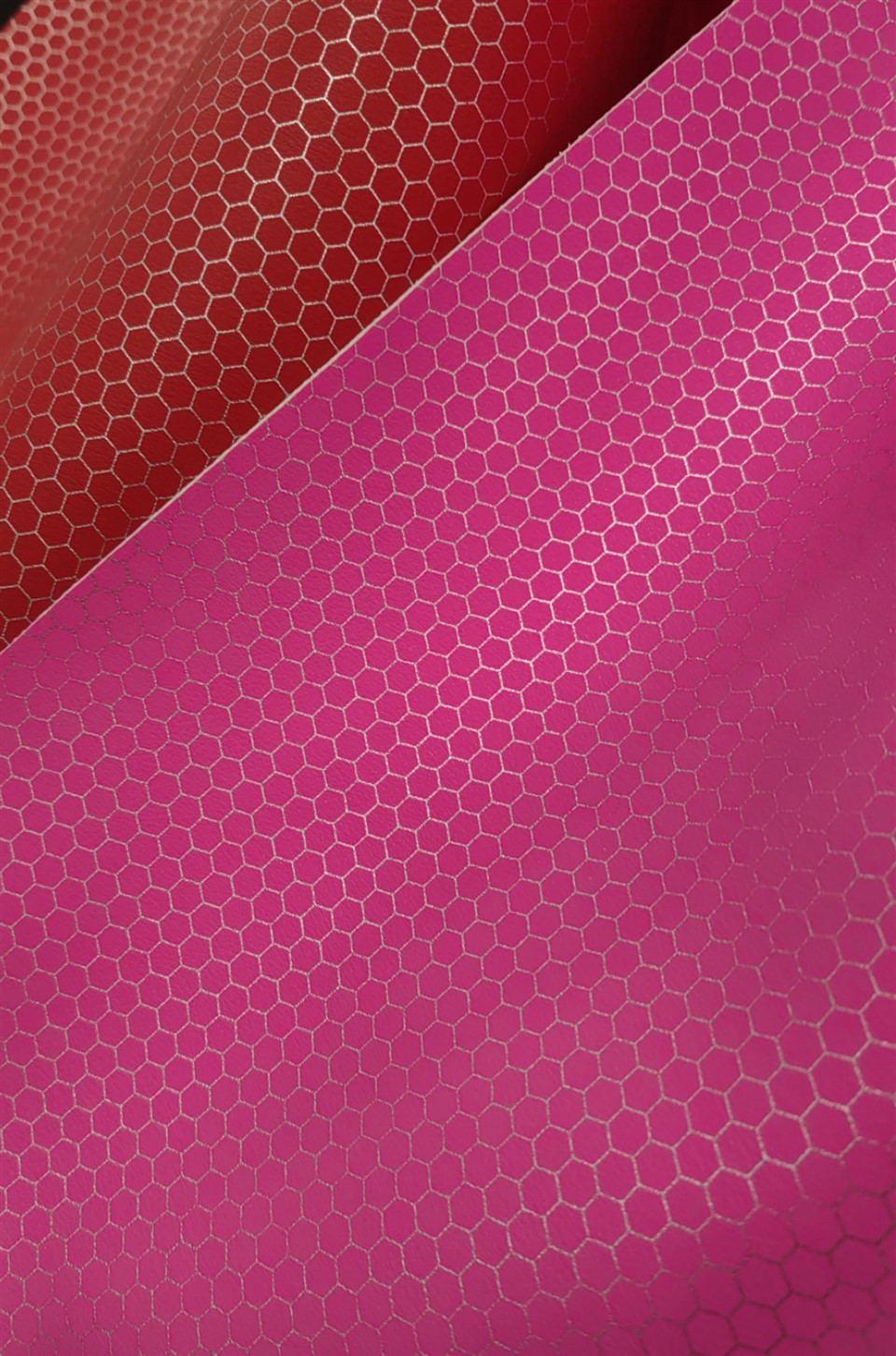
On the other hand, microfiber leather offers consistent grip regardless of the weather conditions. Its smooth surface is designed to repel water, ensuring that the ball remains dry and easy to handle even in the rain. This makes microfiber leather a popular choice for footballs used in outdoor games, where weather conditions can be unpredictable.

Influence on Flight and Trajectory
The type of leather used in a football can also affect its flight and trajectory. A football with a smooth surface and consistent weight distribution will fly more predictably through the air, allowing players to make accurate long passes and shots. Natural leather, with its slightly irregular surface, can cause the ball to deviate from its intended path, especially when it is kicked with power. This is because the uneven surface creates turbulence in the air around the ball, which can affect its flight.
Microfiber leather, on the other hand, is designed to have a smooth and consistent surface, which helps to reduce turbulence and improve the ball's flight characteristics. The lightweight nature of microfiber leather also allows the ball to travel faster through the air, making it easier for players to cover more distance with their passes and shots.
Durability and Longevity
Durability is another important factor to consider when choosing football leather. A football that can withstand the rigors of regular use will last longer and provide better value for money. Natural leather is known for its durability, as it can withstand repeated impacts and abrasions without losing its shape or integrity. However, natural leather requires regular maintenance, such as cleaning and conditioning, to keep it in good condition.
Microfiber leather is also highly durable, but it requires less maintenance than natural leather. It is resistant to wear and tear, as well as water and stains, making it a practical choice for footballs used in rough playing conditions. Additionally, microfiber leather is more consistent in quality, which means that each football will have the same level of performance and durability.
Cost and Availability
Cost and availability are also important considerations when choosing football leather. Natural leather is generally more expensive than synthetic materials, such as microfiber, due to its higher quality and limited availability. Additionally, natural leather requires more time and labor to process, which can further increase its cost.
Microfiber leather, on the other hand, is more affordable and widely available. It can be produced in large quantities, which makes it a cost-effective choice for football manufacturers. Additionally, microfiber leather is easier to work with than natural leather, which can reduce production time and costs.
Conclusion
In conclusion, the type of leather used in a football can have a significant impact on its performance. Natural leather offers excellent grip and durability, but it is prone to water absorption and requires regular maintenance. Microfiber leather, on the other hand, provides consistent grip, good flight characteristics, and high durability, while being more affordable and easier to maintain.
As a football leather supplier, we offer a wide range of Football Leather options to meet the needs of different football manufacturers and players. Our Microfiber Football Leather is designed to provide optimal performance in various weather conditions, while our natural leather options offer a traditional feel and excellent grip. We also offer Volleyball Leather for those looking to produce high-quality volleyballs.
If you are interested in learning more about our football leather products or would like to discuss your specific requirements, please do not hesitate to contact us. We are committed to providing our customers with the highest quality leather products and exceptional customer service. Let's work together to create the perfect football for your needs.
References
- Brand, T., & Johnson, R. (2018). The Science of Football: How Materials Affect Performance. Journal of Sports Engineering and Technology, 10(2), 45-52.
- Smith, A., & Brown, C. (2019). The Impact of Leather Type on Football Performance: A Comparative Analysis. International Journal of Sports Science and Coaching, 14(3), 321-330.
- Williams, D., & Davis, S. (2020). Football Leather: Properties, Performance, and Applications. Sports Technology, 13(1), 12-20.


