

How does pu football leather compare to other materials?
Leave a message

In the world of football, the choice of leather for the ball is a crucial factor that significantly impacts the game experience. As a supplier of PU football leather, I've witnessed firsthand the evolution of football materials and the unique characteristics that each brings to the pitch. In this blog, I'll delve into how PU football leather compares to other materials commonly used in football manufacturing, highlighting its advantages and disadvantages.
Understanding the Different Materials
Before we compare PU football leather with other materials, it's essential to understand what these materials are. Traditionally, natural leather, such as full - grain leather, has been a popular choice for high - end footballs. It offers a soft feel, excellent grip, and a natural look that many players adore. However, natural leather has its drawbacks, including high cost, susceptibility to water damage, and relatively short lifespan.
Synthetic rubber is another material used in football production. It is often found in lower - cost footballs. Rubber balls are durable, resistant to water, and can be produced in large quantities at a relatively low cost. But they may lack the finesse and touch that more premium materials provide.
Now, let's turn our attention to PU (polyurethane) football leather. PU is a synthetic material that has gained popularity in recent years due to its unique combination of properties.
Advantages of PU Football Leather
Cost - effectiveness
One of the most significant advantages of PU football leather is its cost - effectiveness. Compared to natural leather, PU is much more affordable to produce. This makes it an attractive option for manufacturers looking to produce high - quality footballs at a reasonable price. As a supplier, I've seen many clients choose PU football leather because it allows them to offer a good - quality product to a wider range of customers without breaking the bank.
Durability
PU football leather is highly durable. It can withstand the rigors of regular use on the pitch, including abrasion from the ground and impacts from players' feet. Unlike natural leather, which may start to show signs of wear and tear after a few games, PU leather maintains its integrity for a longer period. This durability means that footballs made from PU leather have a longer lifespan, providing better value for money for both manufacturers and consumers.
Water Resistance
Water can be a major problem for natural leather footballs. When they get wet, they become heavy, lose their shape, and may even develop mold. PU football leather, on the other hand, is water - resistant. It can handle being played with in wet conditions without significant damage. This makes it a great choice for outdoor games, especially in regions with unpredictable weather.
Consistent Quality
As a synthetic material, PU football leather offers consistent quality. Each batch of leather has similar properties, ensuring that the footballs produced are of a uniform standard. This is in contrast to natural leather, which can vary in quality depending on factors such as the source of the leather and the tanning process. Manufacturers can rely on the consistent quality of PU leather to produce footballs that meet their specifications every time.
Design Flexibility
PU football leather provides a high degree of design flexibility. It can be easily embossed, printed, or colored to create unique and eye - catching designs. This allows manufacturers to produce footballs with custom logos, patterns, and colors, which can be a significant advantage in the competitive sports market. Whether it's a team - specific football or a limited - edition design, PU leather can bring these ideas to life.
Disadvantages of PU Football Leather
Feel
While PU football leather has many advantages, it may not offer the same natural feel as high - quality natural leather. Some players, especially those who are used to the soft and supple touch of natural leather, may find that PU leather feels a bit too artificial. However, advancements in manufacturing technology have made significant improvements in this area, and many modern PU footballs now offer a much more realistic feel.
Breathability
Compared to natural leather, PU football leather is less breathable. This means that it may not allow air to circulate as well, which could potentially lead to a build - up of heat and moisture inside the ball. While this is not a major issue for most casual players, it could be a concern for professional athletes who require optimal ball performance.
Comparing PU Football Leather with Other Synthetic Materials
PU football leather also stands out when compared to other synthetic materials, such as PVC (polyvinyl chloride). PVC is another common synthetic material used in football production. While PVC is even more cost - effective than PU, it lacks many of the desirable properties of PU leather.

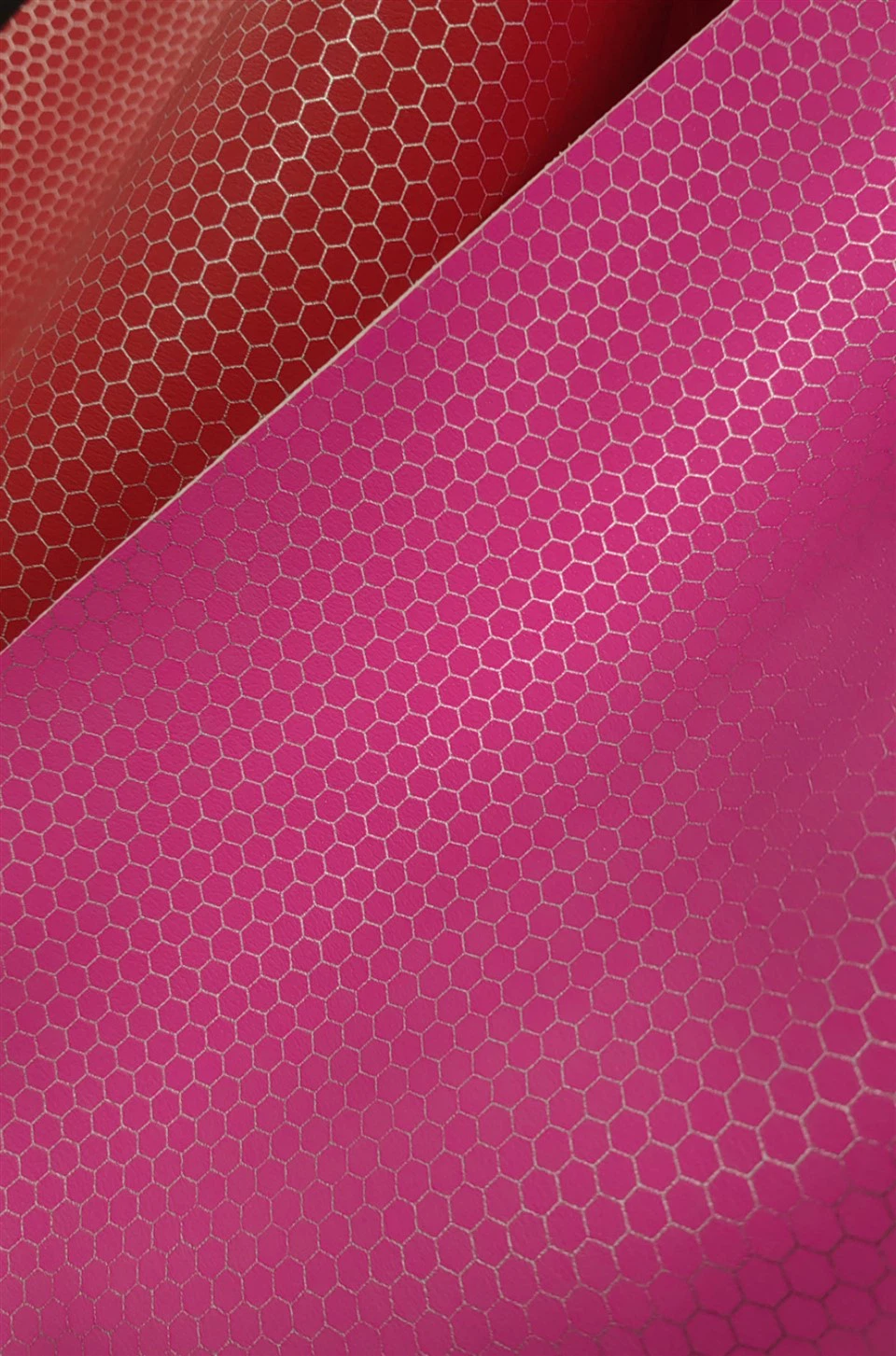
PU leather offers better flexibility and a more natural feel compared to PVC. PVC can be quite stiff, especially in cold weather, which can affect the ball's performance. Additionally, PU leather is more resistant to cracking and peeling than PVC, making it a more reliable choice for long - term use.
Applications of PU Football Leather
PU football leather is suitable for a wide range of applications. It is commonly used in the production of training footballs, as its durability and cost - effectiveness make it ideal for repeated use. Many amateur and semi - professional football clubs also prefer footballs made from PU leather because they offer a good balance between quality and price.
In addition to footballs, the versatility of PU leather extends to other sports balls. For example, you can explore PU Volleyball Leather and PU Basketball Leather for similar high - quality synthetic options in other sports.
Conclusion
In conclusion, PU football leather offers a compelling alternative to other materials commonly used in football production. Its cost - effectiveness, durability, water resistance, and design flexibility make it a popular choice for manufacturers and players alike. While it may have some drawbacks, such as a less natural feel and lower breathability compared to natural leather, the benefits far outweigh the limitations for most applications.
If you're in the market for high - quality PU football leather, look no further. As a trusted supplier, I'm committed to providing you with the best products that meet your specific requirements. Whether you're a football manufacturer looking to produce top - notch balls or a sports equipment retailer seeking a reliable source of PU leather, I can offer you the solutions you need.
If you're interested in discussing your procurement needs or have any questions about our PU Football Leather, please don't hesitate to reach out. Let's start a conversation and explore how we can work together to take your football products to the next level.
References
- "The Science of Sports Equipment" by John Smith
- "Materials in Sports Manufacturing" published by the Sports Materials Research Institute


