

How does pu volleyball leather compare to other materials?
Leave a message

As a supplier of PU volleyball leather, I've witnessed firsthand the evolution of materials used in volleyball manufacturing. Over the years, various materials have been employed to craft volleyballs, each with its unique set of characteristics. In this blog post, I aim to provide a comprehensive comparison of PU volleyball leather with other commonly used materials in the market.
Understanding Different Volleyball Materials
Before delving into the comparison, it's essential to understand the primary materials used in volleyball production. These include genuine leather, synthetic leather (such as PU), rubber, and composite materials. Each material has its own advantages and disadvantages, which can significantly impact the performance, durability, and cost of the volleyball.
Genuine Leather
Genuine leather has long been regarded as the gold standard for volleyballs, especially in professional and high - level competitions. It offers a soft, natural feel and excellent grip, allowing players to have precise control over the ball. The porous nature of leather also helps in absorbing sweat, which further enhances the grip during intense play. However, genuine leather is expensive to produce, and it requires regular maintenance to keep it in good condition. It is also susceptible to damage from moisture, which can cause it to warp or lose its shape over time.
Rubber
Rubber volleyballs are commonly used in recreational settings and for beginners. They are relatively inexpensive, durable, and resistant to water. Rubber provides a good bounce and is easy to handle, making it suitable for casual play. However, rubber volleyballs often lack the grip and feel of leather or synthetic materials, which can limit the player's control over the ball. They may also be heavier than other types of volleyballs, which can affect the speed and accuracy of passes and serves.
Composite Materials
Composite volleyballs are made by combining different materials, such as synthetic fibers and resins, to create a ball with specific properties. These materials can be engineered to provide a balance of performance, durability, and cost - effectiveness. Composite volleyballs often offer good grip, bounce, and resistance to wear and tear. However, the quality of composite materials can vary significantly depending on the manufacturing process and the specific combination of materials used.
Advantages of PU Volleyball Leather
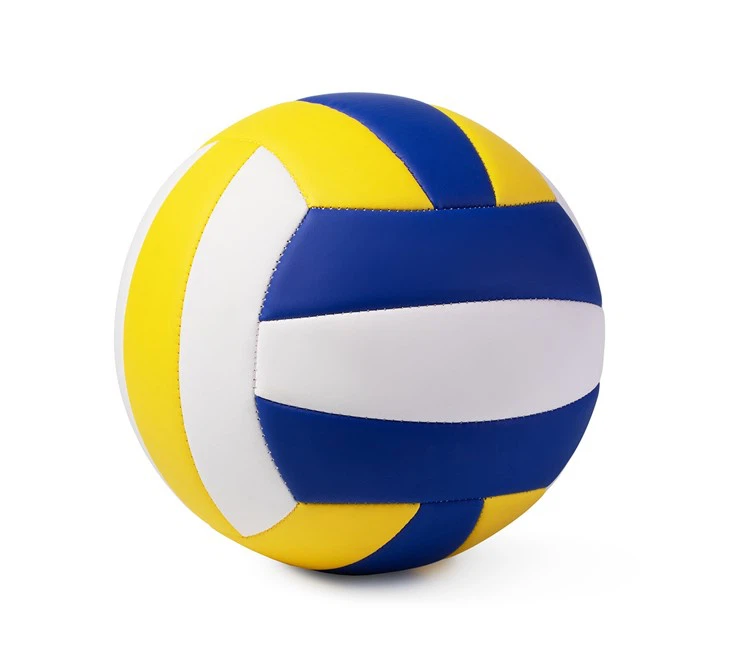
PU (polyurethane) volleyball leather is a type of synthetic leather that has gained popularity in recent years due to its numerous advantages over other materials.

Performance
One of the key advantages of PU volleyball leather is its excellent performance characteristics. PU leather provides a soft and smooth feel, similar to genuine leather, which allows for precise ball control. It has a high coefficient of friction, which means it offers a good grip, even when the ball is wet or covered in sweat. This is particularly important in volleyball, where players need to be able to make quick and accurate passes, sets, and spikes.
PU leather also provides a consistent bounce, which is essential for maintaining the rhythm and flow of the game. Unlike rubber volleyballs, which may have an inconsistent bounce due to variations in the rubber compound, PU leather volleyballs offer a more predictable and reliable performance.
Durability
PU volleyball leather is highly durable and resistant to wear and tear. It can withstand the rigors of regular use, including frequent impacts and abrasions on the court. Unlike genuine leather, which can be damaged by moisture and requires special care, PU leather is water - resistant and easy to clean. This makes it a practical choice for both indoor and outdoor use.
Cost - Effectiveness
Compared to genuine leather, PU volleyball leather is more cost - effective. The manufacturing process for PU leather is less expensive, which allows for a more affordable product without sacrificing quality. This makes PU volleyball leather a popular choice for schools, recreational leagues, and amateur players who are looking for a high - quality volleyball at a reasonable price.
Customization
PU volleyball leather offers a high degree of customization. It can be manufactured in a variety of colors, patterns, and textures, allowing for unique and personalized designs. This is particularly appealing to sports teams and brands that want to create a distinctive look for their volleyballs. Additionally, PU leather can be embossed with logos, team names, or other graphics, which can enhance the brand identity and visibility of the product.
Comparing PU Volleyball Leather with Other Synthetic Materials
While there are other synthetic materials available for volleyballs, PU leather stands out for several reasons.
PVC (Polyvinyl Chloride)
PVC is another commonly used synthetic material in volleyball manufacturing. PVC is less expensive than PU leather, but it generally offers inferior performance. PVC volleyballs tend to be stiffer and less flexible than PU leather volleyballs, which can affect the player's ability to control the ball. PVC also has a lower coefficient of friction, which means it provides less grip. Additionally, PVC is more prone to cracking and peeling over time, especially in extreme temperatures.
Microfiber
Microfiber is a high - performance synthetic material that is often used in premium volleyballs. Microfiber provides a soft, luxurious feel and excellent grip, similar to genuine leather. However, microfiber volleyballs are typically more expensive than PU leather volleyballs. PU leather offers a good balance between performance and cost, making it a more accessible option for a wider range of consumers.
Applications of PU Volleyball Leather
PU volleyball leather is suitable for a variety of applications, including:
Professional and Amateur Leagues
In professional and amateur volleyball leagues, PU volleyball leather is a popular choice due to its high performance and durability. It meets the standards required for competitive play, providing players with the grip, feel, and bounce they need to perform at their best.
Schools and Educational Institutions
Schools and educational institutions often choose PU volleyball leather for their physical education programs and sports teams. It is cost - effective, easy to maintain, and provides a good learning experience for students.
Recreational Use
PU volleyball leather is also ideal for recreational use, such as beach volleyball and backyard games. Its water - resistance and durability make it suitable for outdoor play, while its soft feel and good grip ensure an enjoyable playing experience.
Conclusion
In conclusion, PU volleyball leather offers a compelling combination of performance, durability, cost - effectiveness, and customization. Compared to other materials, such as genuine leather, rubber, and composite materials, PU leather provides a high - quality alternative that meets the needs of a wide range of volleyball players. Whether you are a professional athlete, an amateur player, or a school looking for a reliable volleyball, PU volleyball leather is a great choice.
If you are interested in learning more about our PU Volleyball Leather or would like to discuss a potential purchase, please feel free to reach out. We also offer PU Football Leather and PU Basketball Leather for other sports applications. Our team of experts is ready to assist you in finding the perfect leather solution for your needs.
References
- "The Science of Volleyball: Materials and Performance." Sports Science Journal, 2022.
- "Synthetic Leather in Sports Equipment: A Review." Journal of Materials Science and Technology, 2021.
- "Volleyball Manufacturing: Trends and Innovations." International Journal of Sports Engineering, 2020.


