

How does pu volleyball leather compare to rubber volleyballs?
Leave a message

When it comes to volleyballs, the choice of material plays a crucial role in determining the ball's performance, durability, and overall playing experience. Two popular materials used in volleyball construction are PU (Polyurethane) leather and rubber. As a supplier of high - quality PU Volleyball Leather, I am well - versed in the characteristics of both materials and can provide a detailed comparison.
1. Texture and Feel
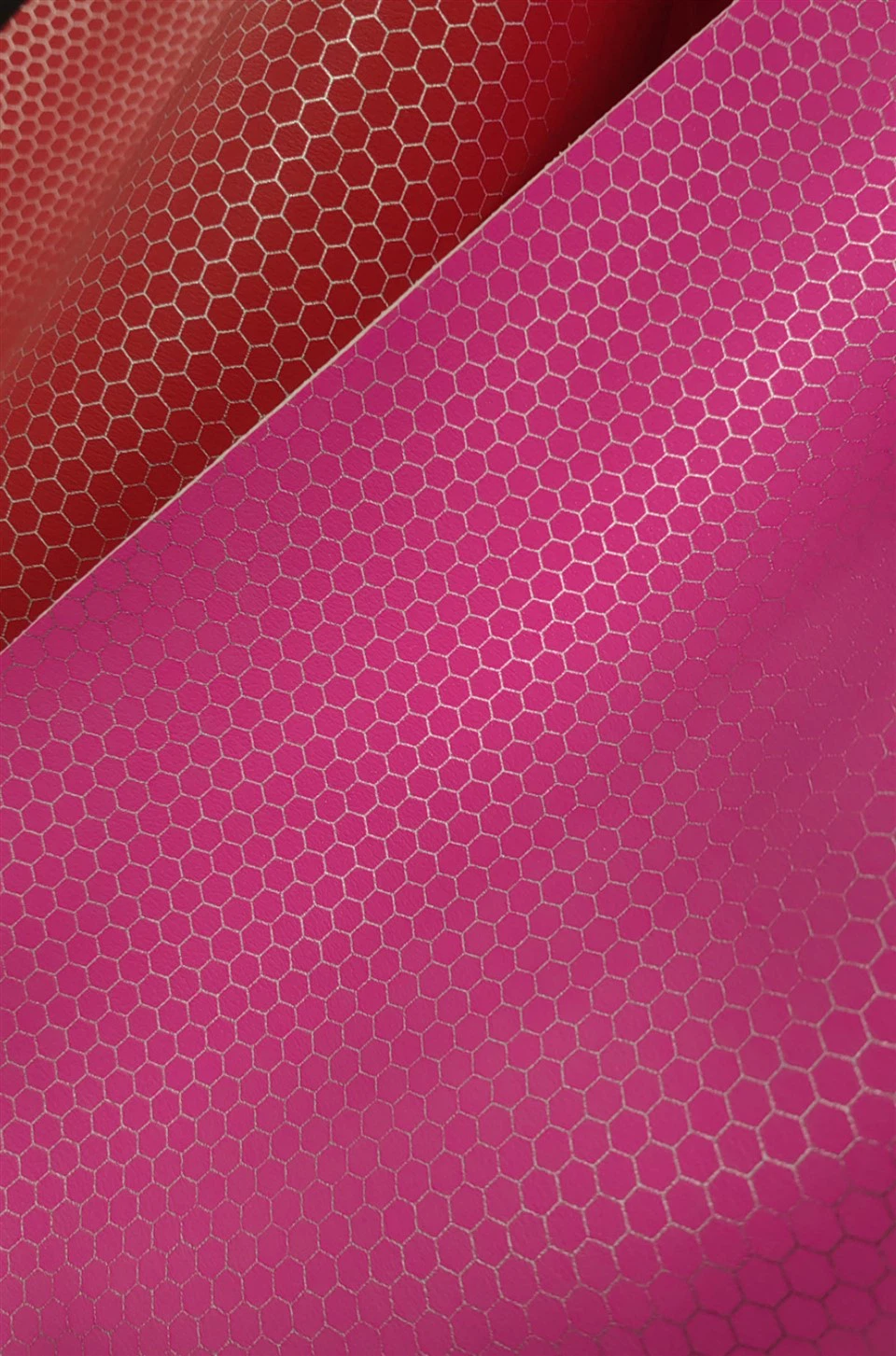
PU leather volleyballs offer a smooth and soft texture. The surface is designed to mimic the feel of genuine leather, which gives players a more natural and comfortable grip. This smoothness allows for better ball control, especially when performing precise passes, sets, and spikes. The soft touch also reduces the impact on the hands during intense play, minimizing the risk of soreness or injury.
On the other hand, rubber volleyballs have a rougher texture. While this can provide some traction, it may not be as pleasant to the touch as PU leather. The rough surface can cause more friction on the hands, which might lead to discomfort over long periods of play. Additionally, the unevenness of the rubber surface can sometimes affect the ball's flight path and make it more difficult to control.
2. Durability
Durability is a significant factor, especially for volleyballs that are used frequently. PU leather volleyballs are known for their excellent durability. The PU material is resistant to wear and tear, making it suitable for both indoor and outdoor use. It can withstand the rigors of regular play, including impacts against the floor, walls, and other objects. Moreover, PU leather is less likely to crack or peel compared to some other materials, ensuring a longer lifespan for the volleyball.

Rubber volleyballs are also quite durable. They are generally more resistant to punctures and can handle rough handling better than some other types of balls. However, over time, the rubber can start to harden and lose its elasticity, especially when exposed to extreme temperatures. This can affect the ball's bounce and overall performance.
3. Bounce and Performance
The bounce of a volleyball is essential for a good game. PU leather volleyballs typically have a consistent and predictable bounce. The material's elasticity allows the ball to rebound evenly, making it easier for players to anticipate its movement. This consistency is particularly important in competitive play, where split - second decisions are crucial.
Rubber volleyballs can have a more variable bounce. The hardness and elasticity of the rubber can change depending on factors such as temperature and usage. In cold weather, the rubber may become stiffer, resulting in a lower bounce. In hot weather, it may become softer, which can affect the ball's flight and bounce characteristics. This variability can make it more challenging for players to adjust their gameplay.
4. Aesthetics
In terms of aesthetics, PU leather volleyballs have a more professional and high - end look. The smooth surface and realistic leather appearance give them a sophisticated appeal, making them a popular choice for official games and tournaments. They are available in a wide range of colors and designs, allowing for customization to meet different team or event requirements.
Rubber volleyballs, while available in various colors, often have a more utilitarian appearance. Their rough texture and simple design may not be as visually appealing as PU leather volleyballs, especially in more formal settings.
5. Cost
Cost is an important consideration for many buyers. PU leather volleyballs are generally more expensive than rubber volleyballs. The higher cost is due to the quality of the material and the manufacturing process involved. However, considering their durability and performance advantages, they can be a worthwhile investment, especially for serious players or organizations that require high - quality equipment.
Rubber volleyballs are more budget - friendly. They are a popular choice for recreational players or those on a tight budget. While they may not offer the same level of performance as PU leather volleyballs, they still provide a decent playing experience for casual games.
6. Environmental Impact
From an environmental perspective, both materials have their pros and cons. PU leather is a synthetic material, and its production may involve the use of chemicals. However, many modern PU leather products are made with more environmentally friendly processes and materials. Some manufacturers are also working on developing recyclable PU leather options.
Rubber is a natural material, but the production of rubber volleyballs can involve deforestation and other environmental issues. Additionally, the disposal of old rubber volleyballs can be a problem, as rubber takes a long time to decompose.
7. Versatility
PU leather volleyballs are highly versatile. They can be used in a variety of settings, including indoor volleyball courts, outdoor sand volleyball courts, and even on grass. Their consistent performance makes them suitable for different levels of play, from amateur to professional.
Rubber volleyballs are also versatile, but they are more commonly used in outdoor settings, especially on rough surfaces. Their durability and resistance to punctures make them a good choice for outdoor play, but their performance may be limited in indoor environments.
8. Maintenance
Maintaining a volleyball is important to ensure its longevity and performance. PU leather volleyballs are relatively easy to clean. A simple wipe with a damp cloth can remove dirt and sweat. It is also recommended to store them in a cool, dry place to prevent damage to the leather.
Rubber volleyballs are also easy to clean. They can be washed with mild soap and water. However, as mentioned earlier, they may require more attention in terms of temperature control to maintain their elasticity.
As a supplier of PU Volleyball Leather, I understand the importance of providing high - quality materials that meet the diverse needs of volleyball manufacturers and players. Our PU leather is not only used for volleyballs but also for other sports balls such as PU Basketball Leather and PU Football Leather.
If you are in the market for high - quality PU leather for volleyball production or have any questions about the comparison between PU leather and rubber volleyballs, I encourage you to reach out. We are committed to providing excellent products and services to help you meet your goals. Whether you are a volleyball manufacturer looking for the best materials or a player interested in understanding the differences between ball types, we can offer valuable insights and solutions.
In conclusion, while both PU leather and rubber volleyballs have their own unique features, PU leather generally offers a superior combination of performance, durability, and aesthetics. However, the choice ultimately depends on your specific needs, preferences, and budget.
References
- "Sports Ball Materials: A Comprehensive Guide" by Sports Equipment Journal
- "The Science of Volleyball: How Material Affects Performance" by Sports Science Review


