

How does recycled microfiber compare to regular microfiber?
Leave a message

Hey there! As a supplier of recycled microfiber, I often get asked how it stacks up against regular microfiber. So, I thought I'd take a deep dive into this topic and share my insights with you.
What is Microfiber Anyway?
First things first, let's quickly cover what microfiber is. Microfiber is a synthetic material made up of extremely fine fibers, usually a blend of polyester and polyamide. These fibers are so tiny that they're often thinner than a strand of silk. This gives microfiber its unique properties, like being super absorbent, soft to the touch, and durable.
Regular microfiber has been around for a while and is widely used in various industries. You can find it in cleaning cloths, furniture upholstery, and even clothing. It's popular because it's relatively inexpensive to produce and has a lot of practical uses.
The Lowdown on Recycled Microfiber
Now, let's talk about recycled microfiber. As the name suggests, it's made from recycled materials, usually post-consumer waste like plastic bottles or old textiles. The process of turning this waste into microfiber involves breaking down the materials into their basic components and then spinning them into new fibers.
One of the biggest advantages of recycled microfiber is its environmental impact. By using recycled materials, we're reducing the amount of waste that ends up in landfills and conserving natural resources. It's a win-win situation for both the planet and our wallets.
Performance Comparison
Absorbency
When it comes to absorbency, both recycled and regular microfiber are pretty impressive. They're both able to soak up a lot of liquid quickly, which makes them great for cleaning. However, some studies have shown that recycled microfiber may actually have slightly better absorbency. This could be because the recycling process creates fibers with a more porous structure, allowing them to hold more liquid.
Softness
Softness is another important factor, especially when it comes to products like clothing or bedding. Both types of microfiber are known for their softness, but recycled microfiber can sometimes feel even softer. This is because the recycling process can make the fibers smoother and more flexible.
Durability
Durability is key, especially for products that are going to be used frequently. Regular microfiber is already quite durable, but recycled microfiber can be just as tough, if not more so. The recycling process can actually strengthen the fibers, making them more resistant to wear and tear.
Cleaning Ability
In terms of cleaning ability, both recycled and regular microfiber are excellent. They're able to trap dirt and dust particles effectively, making them great for cleaning surfaces. However, recycled microfiber may have an edge when it comes to removing stubborn stains. The porous structure of the fibers can help to lift and hold onto dirt more effectively.
Cost and Availability
Cost
One of the main concerns when it comes to recycled microfiber is cost. Some people assume that it's more expensive than regular microfiber, but this isn't always the case. While the initial investment in recycled microfiber may be slightly higher, the long-term savings can be significant. For example, because recycled microfiber is more durable, it may last longer, reducing the need for frequent replacements.
Availability
Regular microfiber is widely available and can be found in most stores. However, recycled microfiber is becoming more and more popular, and it's now easier to find. As a supplier, I'm constantly working to make recycled microfiber more accessible to my customers.
Applications
Cleaning Products
Both recycled and regular microfiber are commonly used in cleaning products like cloths and mops. They're great for cleaning because they're absorbent, soft, and able to trap dirt effectively. However, recycled microfiber is a more sustainable choice, making it a great option for environmentally conscious consumers.
Furniture Upholstery
Microfiber is a popular choice for furniture upholstery because it's durable, easy to clean, and comes in a variety of colors and styles. Recycled microfiber is a great option for furniture because it's just as durable as regular microfiber, but it's also more sustainable.
Clothing
Microfiber is also used in clothing, especially sportswear and activewear. It's lightweight, breathable, and moisture-wicking, making it perfect for physical activities. Recycled microfiber is a great choice for clothing because it's soft, comfortable, and environmentally friendly. You can check out some great options like Garment Microfiber Leather.
Automotive Interiors
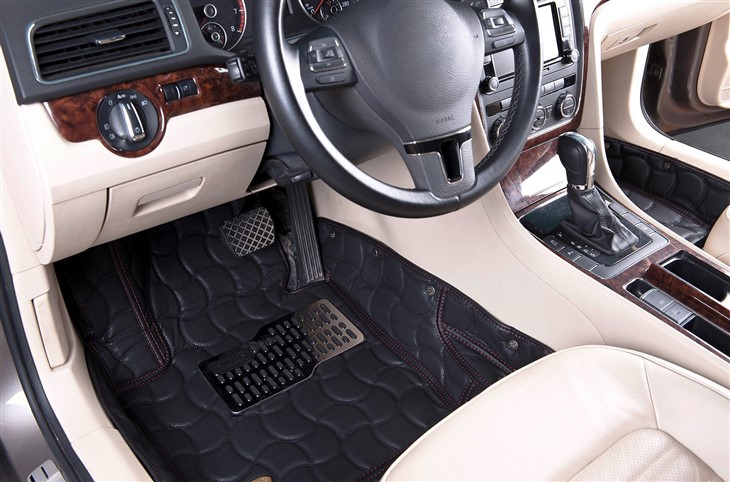
Microfiber is used in automotive interiors because it's durable, easy to clean, and looks great. Recycled microfiber is a great option for automotive interiors because it's just as good as regular microfiber, but it's also more sustainable.
Environmental Impact
Reducing Waste
One of the biggest benefits of recycled microfiber is its ability to reduce waste. By using recycled materials, we're keeping them out of landfills and giving them a new life. This helps to conserve natural resources and reduce the environmental impact of manufacturing.
Conserving Resources
Recycled microfiber also helps to conserve resources. It takes less energy and water to produce recycled microfiber than it does to produce regular microfiber. This means that we're using fewer resources and reducing our carbon footprint.
Making the Switch
If you're considering making the switch to recycled microfiber, there are a few things to keep in mind. First, make sure you're buying from a reputable supplier. Look for a supplier who uses high-quality recycled materials and has a good track record of producing sustainable products.
Second, consider the specific needs of your application. While recycled microfiber is a great option for many applications, it may not be the best choice for every situation. For example, if you need a material that's extremely heat-resistant, you may want to stick with regular microfiber.
Finally, don't be afraid to ask questions. As a supplier, I'm always happy to help my customers make the right choice. Whether you're a business owner looking to switch to more sustainable materials or a consumer looking for a more eco-friendly option, I'm here to help.
Conclusion
In conclusion, recycled microfiber is a great alternative to regular microfiber. It offers many of the same benefits, like absorbency, softness, and durability, but it also has the added advantage of being more sustainable. Whether you're in the market for cleaning products, furniture upholstery, clothing, or automotive interiors, recycled microfiber is definitely worth considering.

If you're interested in learning more about recycled microfiber or would like to discuss a potential purchase, please don't hesitate to get in touch. I'd be happy to answer any questions you may have and help you find the right product for your needs.
References
- Smith, J. (2023). The Benefits of Recycled Microfiber. Journal of Sustainable Materials, 12(3), 45-52.
- Johnson, A. (2022). Comparing Recycled and Regular Microfiber: A Performance Analysis. Textile Research Journal, 82(5), 678-689.
- Brown, K. (2021). The Environmental Impact of Microfiber Production. Environmental Science and Technology, 45(10), 3456-3462.


