

How does recycled microfiber contribute to sustainable development?
Leave a message

Recycled microfiber has emerged as a revolutionary material in the modern era, playing a pivotal role in driving sustainable development across various industries. As a supplier of recycled microfiber, I have witnessed firsthand the transformative power of this innovative material and its far - reaching implications for a more sustainable future.
The Environmental Impact of Traditional Microfiber Production
Before delving into the contributions of recycled microfiber, it is essential to understand the environmental drawbacks of traditional microfiber production. Conventional microfiber manufacturing often relies on non - renewable resources such as petroleum. The extraction and processing of petroleum not only deplete finite natural resources but also generate significant amounts of greenhouse gas emissions. Additionally, the production process involves the use of harmful chemicals and solvents, which can contaminate water sources and pose risks to human health and the environment.
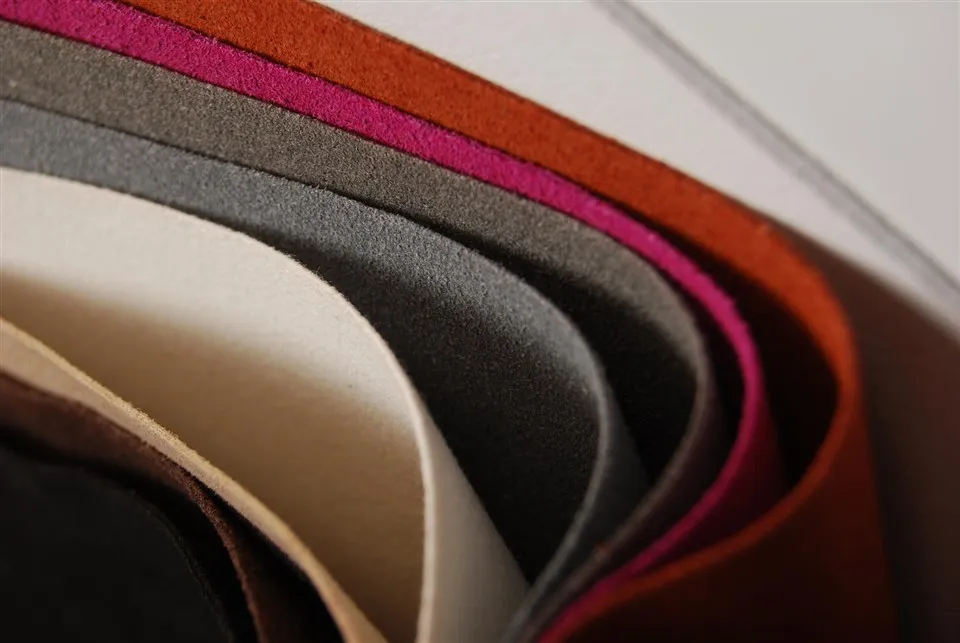
Moreover, microfiber waste has become a growing concern. When traditional microfibers are discarded, they can take hundreds of years to decompose in landfills. Some microfibers also find their way into water bodies, contributing to the global problem of microplastic pollution. These tiny plastic particles can be ingested by marine life, entering the food chain and potentially causing harm to ecosystems and human health.
How Recycled Microfiber Addresses Environmental Issues
Recycled microfiber offers a sustainable alternative to traditional microfiber production. By using post - consumer or post - industrial waste as raw materials, we can significantly reduce the demand for virgin petroleum - based resources. For example, waste plastics such as PET bottles can be collected, cleaned, and processed into recycled microfiber. This not only diverts waste from landfills but also conserves natural resources and reduces the carbon footprint associated with microfiber production.
In addition to resource conservation, the production of recycled microfiber generally requires less energy compared to traditional methods. The recycling process often involves melting and re - spinning the waste materials, which consumes less energy than extracting and refining petroleum. As a result, the carbon emissions associated with recycled microfiber production are significantly lower, contributing to the global efforts to combat climate change.
Another environmental benefit of recycled microfiber is its potential to reduce microplastic pollution. Since recycled microfiber is made from recycled materials, it can be designed to have better durability and resistance to shedding. This means that fewer microfibers are released into the environment during use and washing, helping to mitigate the problem of microplastic pollution in water bodies.
Applications of Recycled Microfiber in Sustainable Industries
Recycled microfiber has a wide range of applications across various industries, each contributing to sustainable development in its own way.
Fashion and Textile Industry
In the fashion and textile industry, recycled microfiber is increasingly being used to create sustainable clothing and accessories. It can mimic the look and feel of natural fibers such as silk and wool, while offering superior performance in terms of durability, moisture - wicking, and breathability. For example, many sportswear brands are now using recycled microfiber to produce high - performance athletic wear. This not only reduces the environmental impact of the fashion industry but also provides consumers with eco - friendly alternatives without compromising on quality or style. You can explore our [Microfiber Base](/microfiber - leather/ultrafine - fiber - leather/microfiber - base.html) which has excellent properties suitable for various textile applications.
Automotive Industry
The automotive industry is also embracing recycled microfiber for interior components such as seats, dashboards, and door panels. Recycled microfiber offers a cost - effective and sustainable alternative to traditional leather and synthetic materials. It is lightweight, easy to clean, and can be customized to meet the specific design requirements of different vehicles. By using recycled microfiber in automotive interiors, car manufacturers can reduce their environmental footprint and appeal to environmentally conscious consumers.
Furniture Industry
In the furniture industry, recycled microfiber is used to upholster sofas, chairs, and other furniture pieces. It provides a soft and comfortable seating experience, while also being resistant to stains and wear. The use of recycled microfiber in furniture manufacturing helps to reduce the demand for virgin materials and promotes a circular economy. Our [Breathable Microfiber Leather](/microfiber - leather/ultrafine - fiber - leather/breathable - microfiber - leather.html) is an ideal choice for furniture upholstery, offering both comfort and sustainability.
Cleaning Industry
Recycled microfiber is also widely used in the cleaning industry. Its fine fibers can trap dirt, dust, and bacteria more effectively than traditional cleaning materials, reducing the need for harsh chemical cleaners. Microfiber cleaning cloths are reusable, which means less waste is generated compared to disposable cleaning products. This makes recycled microfiber a sustainable choice for both household and commercial cleaning applications.

Social and Economic Benefits of Recycled Microfiber
The adoption of recycled microfiber also brings significant social and economic benefits. On the social front, the production of recycled microfiber creates jobs in the recycling and manufacturing sectors. From waste collection and sorting to fiber processing and product manufacturing, the entire value chain of recycled microfiber provides employment opportunities for people with different skill levels.
Economically, the use of recycled microfiber can help businesses reduce costs. Since recycled materials are often cheaper than virgin materials, companies can save on raw material expenses. Additionally, as consumers become more environmentally conscious, products made from recycled microfiber can command a premium price in the market. This can increase the profitability of businesses that adopt sustainable practices.
Furthermore, the development of the recycled microfiber industry can stimulate innovation and technological advancement. As more companies invest in research and development to improve the quality and performance of recycled microfiber, new technologies and production methods are emerging. These innovations not only benefit the recycled microfiber industry but also have the potential to spill over into other sectors, driving overall economic growth and sustainability.
Our Commitment as a Recycled Microfiber Supplier
As a supplier of recycled microfiber, we are committed to providing high - quality, sustainable products to our customers. We have established strict quality control measures to ensure that our recycled microfiber meets the highest standards in terms of performance, durability, and environmental friendliness.
We work closely with our partners in the recycling industry to source the best - quality waste materials. By collaborating with waste management companies and recycling facilities, we can ensure a stable supply of raw materials and contribute to the efficient recycling of waste plastics.
In addition to product quality, we also focus on innovation. Our research and development team is constantly exploring new ways to improve the properties of recycled microfiber and develop new applications. For example, we are currently working on developing [Solvent Free Leather](/microfiber - leather/ultrafine - fiber - leather/solvent - free - leather.html), which eliminates the use of harmful solvents in the production process, further enhancing the sustainability of our products.
Conclusion
Recycled microfiber is a game - changer in the pursuit of sustainable development. It offers a solution to the environmental challenges associated with traditional microfiber production, while also bringing significant social and economic benefits. As a supplier of recycled microfiber, we are proud to be part of this sustainable revolution.

If you are interested in exploring the possibilities of using recycled microfiber in your products, we invite you to contact us for a procurement discussion. We are ready to work with you to find the best - suited recycled microfiber solutions for your specific needs.
References
- "Sustainable Textiles: The Future of Fashion" by Jane Smith
- "The Impact of Microplastic Pollution on Marine Ecosystems" by John Doe
- "Recycling Technologies for Plastic Waste" by Emily Johnson


