

How does recycled microfiber contribute to waste reduction?
Leave a message

Hey there! As a supplier of recycled microfiber, I've seen firsthand how this amazing material can make a real difference in waste reduction. In this blog post, I'm gonna share with you how recycled microfiber plays a crucial role in keeping our planet clean and green.
Let's start by understanding what microfiber is. Microfiber is a synthetic fiber made from extremely fine strands of polyester, nylon, or a combination of both. It's known for its softness, durability, and absorbency. These qualities make it a popular choice in various industries, from textiles and cleaning products to automotive and furniture.
Now, the traditional way of producing microfiber involves using virgin materials, which means extracting and processing new resources. This process not only consumes a significant amount of energy and water but also generates a large amount of waste. On the other hand, recycled microfiber is made from post - consumer or post - industrial waste. This waste can come from old clothes, carpets, and even industrial scraps.
One of the primary ways recycled microfiber contributes to waste reduction is by diverting waste from landfills. Every year, millions of tons of textile waste end up in landfills, where they take a long time to decompose. By collecting and recycling these materials into microfiber, we're giving them a new lease on life. Instead of sitting in a landfill, these waste materials are transformed into high - quality products that can be used again.
For example, old t - shirts and other clothing items that would otherwise be thrown away can be shredded and processed into recycled microfiber. This microfiber can then be used to make Floor Leather. Floor leather made from recycled microfiber is not only eco - friendly but also durable and easy to clean. It's a great alternative to traditional floor coverings and helps reduce the demand for new materials.

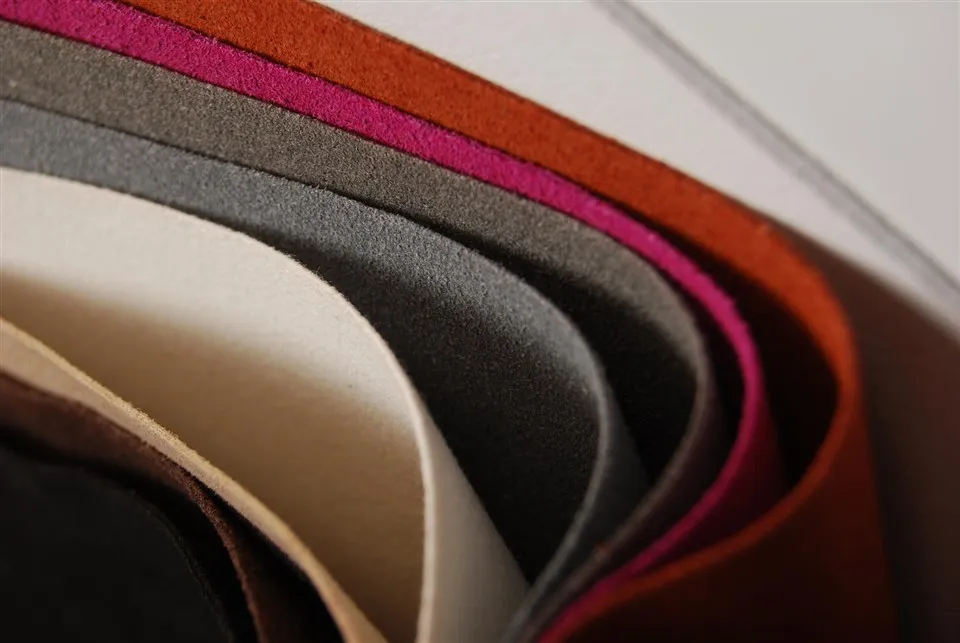
Another area where recycled microfiber shines is in the production of Breathable Microfiber Leather. Leather production is a resource - intensive process that generates a lot of waste, including animal by - products and chemical waste. Recycled microfiber leather offers a sustainable alternative. It has many of the same properties as real leather, such as softness and durability, but without the environmental impact. By using recycled microfiber to make leather - like products, we're reducing the need for traditional leather production and minimizing waste.
Recycled microfiber also helps in reducing the energy and water consumption associated with manufacturing. The production of virgin microfiber requires a large amount of energy to extract and process raw materials. In contrast, recycling existing materials into microfiber uses significantly less energy. Additionally, the water used in the recycling process is often recycled and reused, further reducing the overall water footprint.
In the automotive industry, recycled microfiber is used to make interior components such as seat covers and dashboard materials. Car manufacturers are increasingly looking for sustainable materials to reduce their environmental impact. Recycled microfiber fits the bill perfectly. It not only helps in waste reduction but also provides a high - quality and comfortable interior for vehicles.
The furniture industry is another major beneficiary of recycled microfiber. Sofas, chairs, and other furniture pieces can be upholstered with Microfiber Base made from recycled materials. This not only gives the furniture a modern and stylish look but also contributes to a more sustainable manufacturing process.
Moreover, recycled microfiber products often have a longer lifespan compared to some traditional products. This means that they don't need to be replaced as frequently, which in turn reduces the amount of waste generated over time. For instance, a microfiber cleaning cloth made from recycled materials can be used many times before it needs to be replaced. This is in contrast to disposable cleaning products that are used once and then thrown away.
When it comes to marketing and consumer awareness, recycled microfiber has a lot going for it. Consumers are becoming more environmentally conscious and are actively seeking out products that are made from sustainable materials. By offering recycled microfiber products, we're not only meeting the demand for eco - friendly options but also educating consumers about the importance of waste reduction.
As a supplier of recycled microfiber, I'm committed to promoting the use of this material in various industries. I believe that by working together with manufacturers, designers, and consumers, we can make a significant impact on waste reduction. Whether it's through the production of floor leather, breathable microfiber leather, or microfiber base products, recycled microfiber has the potential to revolutionize the way we think about waste and sustainability.
If you're a manufacturer looking for a reliable and sustainable source of microfiber, or if you're a designer interested in incorporating eco - friendly materials into your projects, I'd love to talk to you. The benefits of using recycled microfiber are clear, and I'm confident that it can add value to your products while helping to protect our planet. So, don't hesitate to reach out and start a conversation about how we can work together to make a difference.
In conclusion, recycled microfiber is a game - changer in the fight against waste. It offers a practical and effective solution to the problem of textile waste and helps reduce the environmental impact of various industries. By choosing recycled microfiber products, we're taking a step towards a more sustainable future.
References
- Textile Recycling Association Reports
- Environmental Protection Agency Data on Waste Management
- Industry Studies on Sustainable Materials in Manufacturing


