

How does solvent free leather resist stains?
Leave a message

As a supplier of solvent-free leather, I'm often asked about the stain resistance of this innovative material. Solvent-free leather is an excellent alternative to traditional leather, offering not only environmental benefits but also remarkable stain resistance. In this blog post, I'll delve into the scientific mechanisms behind how solvent-free leather resists stains, and why it's a great choice for various applications.

Understanding Solvent-Free Leather
Before we explore stain resistance, let's briefly understand what solvent-free leather is. Solvent-free leather is a type of leather that is produced without the use of harmful solvents. Traditional leather production often involves the use of solvents in processes such as tanning and dyeing, which can release volatile organic compounds (VOCs) into the environment. Solvent-free leather, on the other hand, uses more eco-friendly production methods, such as water-based processes, to create a high-quality leather product.
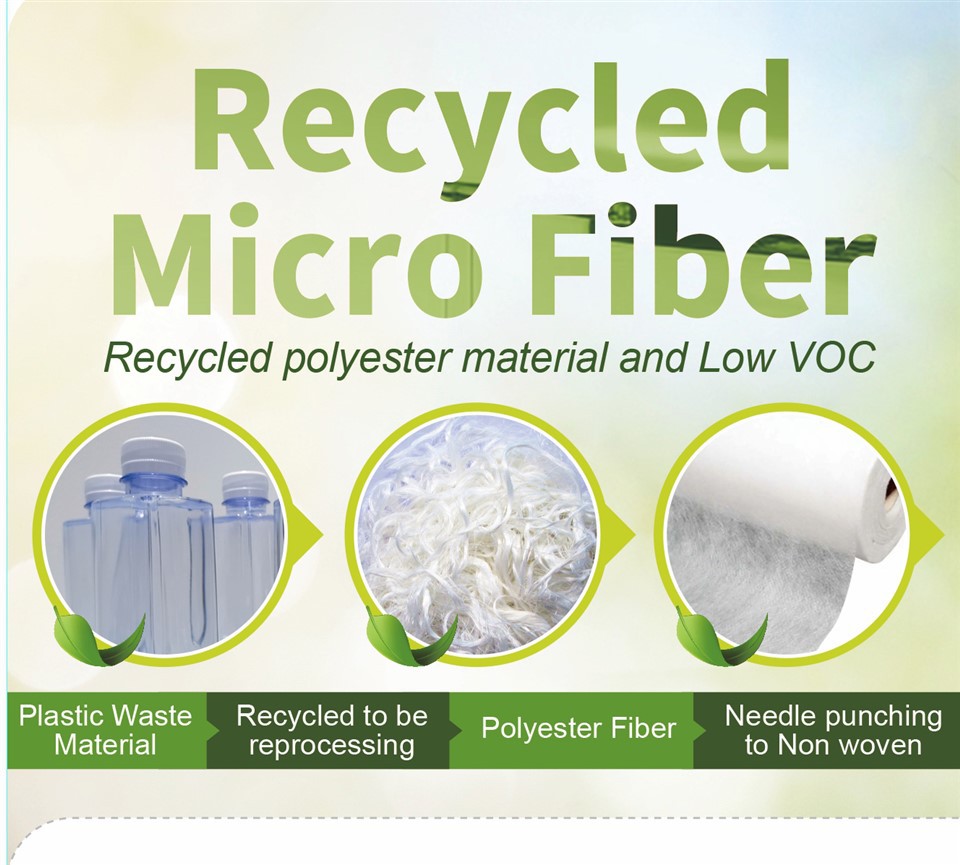
There are different types of solvent-free leather, including Recycled Microfiber, Bio-based Leather, and Bio-based Microfiber Leather. These materials are made from recycled or bio-based materials, which not only reduces environmental impact but also contributes to their unique properties, including stain resistance.
Surface Structure and Stain Resistance
One of the key factors contributing to the stain resistance of solvent-free leather is its surface structure. Solvent-free leather often has a dense and smooth surface, which makes it difficult for stains to penetrate. The smooth surface reduces the contact area between the leather and the stain-causing substance, preventing the substance from adhering to the leather.
In addition, the surface of solvent-free leather can be treated with a protective coating. This coating acts as a barrier between the leather and the environment, preventing stains from reaching the leather surface. The coating can be made from various materials, such as polymers or waxes, which have hydrophobic properties. Hydrophobic materials repel water and other liquids, making it easier to wipe off stains before they can penetrate the leather.
Chemical Composition and Stain Resistance
The chemical composition of solvent-free leather also plays an important role in its stain resistance. Solvent-free leather is often made from materials that are inherently resistant to stains. For example, recycled microfiber leather is made from recycled polyester fibers, which are known for their durability and resistance to chemicals. These fibers are tightly packed together, creating a strong and stable structure that is less likely to be penetrated by stains.
Bio-based leather and bio-based microfiber leather are made from natural or bio-based materials, such as plant fibers or proteins. These materials have unique chemical properties that make them resistant to stains. For example, some plant fibers contain natural oils or waxes that can repel water and stains. In addition, bio-based materials are often biodegradable, which means that they are less likely to accumulate stains over time.
Porosity and Stain Resistance
Porosity is another factor that affects the stain resistance of solvent-free leather. Solvent-free leather typically has a lower porosity compared to traditional leather. Porosity refers to the number and size of pores in the leather surface. A lower porosity means that there are fewer pores for stains to penetrate, making the leather more resistant to stains.
The low porosity of solvent-free leather can be attributed to its production process. Solvent-free leather is often produced using water-based processes, which can help to close the pores in the leather surface. In addition, the use of recycled or bio-based materials can also contribute to the low porosity of solvent-free leather. These materials often have a more compact structure, which reduces the number of pores in the leather.
Maintenance and Stain Resistance
Proper maintenance is essential for maintaining the stain resistance of solvent-free leather. Regular cleaning and conditioning can help to keep the leather surface clean and smooth, which in turn enhances its stain resistance. When cleaning solvent-free leather, it's important to use mild cleaning products that are specifically designed for leather. Harsh chemicals or abrasive cleaners can damage the leather surface and reduce its stain resistance.
In addition, it's important to avoid exposing solvent-free leather to excessive heat, moisture, or sunlight. These factors can cause the leather to dry out, crack, or fade, which can reduce its stain resistance. By following these maintenance tips, you can ensure that your solvent-free leather products remain stain-resistant for a long time.
Applications of Solvent-Free Leather
The stain resistance of solvent-free leather makes it a great choice for a wide range of applications. Solvent-free leather is commonly used in the furniture industry, where it is used to upholster sofas, chairs, and other furniture pieces. The stain resistance of solvent-free leather makes it easy to clean and maintain, which is especially important in high-traffic areas.
Solvent-free leather is also used in the automotive industry, where it is used to upholster car seats, steering wheels, and other interior components. The stain resistance of solvent-free leather helps to keep the car interior looking clean and new, even after years of use.
In addition, solvent-free leather is increasingly being used in the fashion industry, where it is used to make clothing, shoes, and accessories. The stain resistance of solvent-free leather makes it a practical and stylish choice for everyday wear.
Conclusion
In conclusion, solvent-free leather offers excellent stain resistance due to its surface structure, chemical composition, porosity, and proper maintenance. As a supplier of solvent-free leather, I'm proud to offer a product that is not only environmentally friendly but also highly functional. Whether you're in the furniture, automotive, or fashion industry, solvent-free leather is a great choice for your products.
If you're interested in learning more about our solvent-free leather products or would like to discuss a potential purchase, please feel free to contact us. We look forward to working with you to find the perfect solvent-free leather solution for your needs.
References
- "Leather Science and Technology" by John S. Preston
- "Recycled Fibers and Their Applications" by Shubhra Jain
- "Bio-based Polymers and Composites" by Rajesh Kumar


