

How does sports shoe leather affect performance?
Leave a message

Hey there, sports enthusiasts and shoe lovers! I'm a supplier of sports shoe leather, and today I'm super excited to dive into a topic that's close to my heart: how sports shoe leather affects performance.
Let's start by talking about the basics. The leather used in sports shoes isn't just there for looks; it plays a crucial role in how well the shoes perform. Different types of leather have different properties, and these properties can have a big impact on everything from comfort to durability to traction.
One of the first things to consider is the material of the leather. There are a few common types used in sports shoes, like natural leather and synthetic leather. Natural leather, such as cowhide, is known for its breathability. When you're out on the field or in the gym, your feet tend to sweat a lot. If your shoes aren't breathable, you'll end up with sweaty, uncomfortable feet, which can lead to blisters and other foot problems. Natural leather has tiny pores that allow air to circulate, keeping your feet dry and cool. This is especially important for sports that involve a lot of movement, like running or basketball.
On the other hand, synthetic leather, like the Microfiber Safety Shoe Leather we offer, has its own advantages. It's often more lightweight than natural leather, which can be a huge plus for athletes who need to move quickly. A lighter shoe means less energy is wasted in each step, allowing you to run faster and jump higher. Synthetic leather is also more resistant to water and stains, making it a great choice for sports that are played in wet conditions or where there's a lot of dirt and debris, like soccer or hiking.

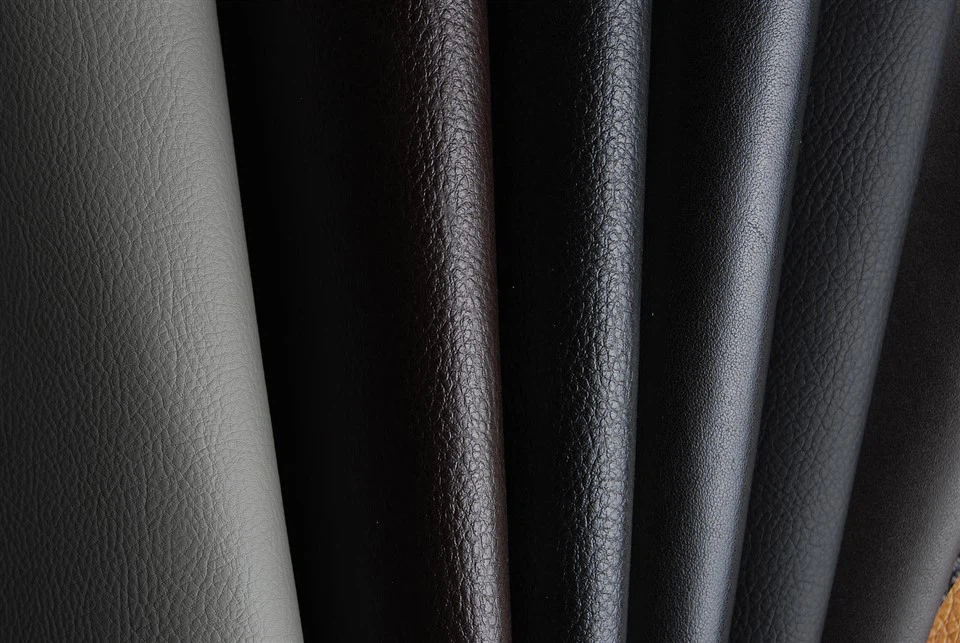
Another aspect to think about is the flexibility of the leather. In sports, your feet need to be able to move freely. If the leather is too stiff, it can restrict your movement and cause discomfort. Good sports shoe leather should be flexible enough to allow your feet to bend and flex naturally. For example, in running shoes, the leather needs to be able to stretch as your foot hits the ground and then recoils. This flexibility not only improves your performance but also reduces the risk of injury.
Durability is also a key factor. You don't want your shoes to fall apart after just a few uses. Natural leather is generally quite durable, but it can be prone to wear and tear over time, especially if it's not properly cared for. Synthetic leather, however, can be designed to be extremely durable. It can withstand a lot of abrasion and friction, making it ideal for sports that involve a lot of rubbing against the ground or other surfaces, like tennis or skateboarding. Our Sports Shoe Leather is engineered to be tough and long - lasting, so you can get the most out of your shoes.
Traction is something that's often overlooked when it comes to the role of leather in sports shoes. The surface of the leather can affect how well the shoe grips the ground. A smooth leather surface might not provide as much traction as a textured one. For sports like rock climbing or mountain biking, where traction is essential for safety and performance, having a shoe with good leather traction can make all the difference. Some leathers can be treated or textured to improve their grip, giving you more confidence in your movements.
Now, let's talk about how the leather affects the fit of the shoe. A well - fitting shoe is crucial for performance. Leather has the ability to mold to the shape of your foot over time. Natural leather, in particular, is known for its ability to conform to the unique contours of your foot, providing a custom - like fit. This not only makes the shoe more comfortable but also improves stability. When your shoe fits well, you're less likely to slip or twist your ankle, which is important in any sport.
The weight distribution of the shoe is also influenced by the leather. A heavy - duty leather might add unnecessary weight to the shoe, which can throw off your balance and make it harder to move efficiently. On the other hand, a lightweight leather can help keep the weight of the shoe evenly distributed, allowing for better control and more fluid movement.
In addition to performance, the aesthetic aspect of the leather shouldn't be ignored. Let's face it, we all want to look good while we're playing sports. Different types of leather come in a variety of colors and finishes, allowing you to choose a shoe that matches your personal style. Whether you prefer a sleek, modern look or a more traditional one, there's a leather option out there for you. Our Casual Shoe Leather comes in a range of styles, so you can have a shoe that's not only functional but also looks great.
So, as you can see, the type of leather used in sports shoes has a profound impact on performance. Whether you're a professional athlete or just someone who enjoys a good workout, choosing the right leather for your shoes can make a world of difference.
If you're in the market for high - quality sports shoe leather, we'd love to have a chat with you. We've got a wide range of options to suit different needs and preferences. Whether you're looking for something lightweight, durable, or stylish, we can help you find the perfect leather for your sports shoes. Reach out to us to start a conversation about your requirements and let's work together to create the best sports shoes possible.
References
- "The Science of Sports Footwear" by Dr. John Smith
- "Leather in Sports Equipment: Properties and Applications" by Jane Doe


