

How does the colorfastness of solvent free leather perform?
Leave a message

As a solvent-free leather supplier, I've witnessed firsthand the growing demand for sustainable and high-performance leather alternatives. One of the most critical aspects of leather quality is colorfastness, which determines how well the leather retains its color over time, especially when exposed to various environmental factors. In this blog, I'll delve into the colorfastness performance of solvent-free leather, exploring its advantages, testing methods, and real-world applications.

Understanding Solvent-Free Leather
Solvent-free leather is a revolutionary alternative to traditional leather that is produced without the use of harmful solvents. Instead, it relies on water-based or solvent-free processes, which significantly reduces its environmental impact. This type of leather is not only more sustainable but also offers several performance benefits, including improved colorfastness.
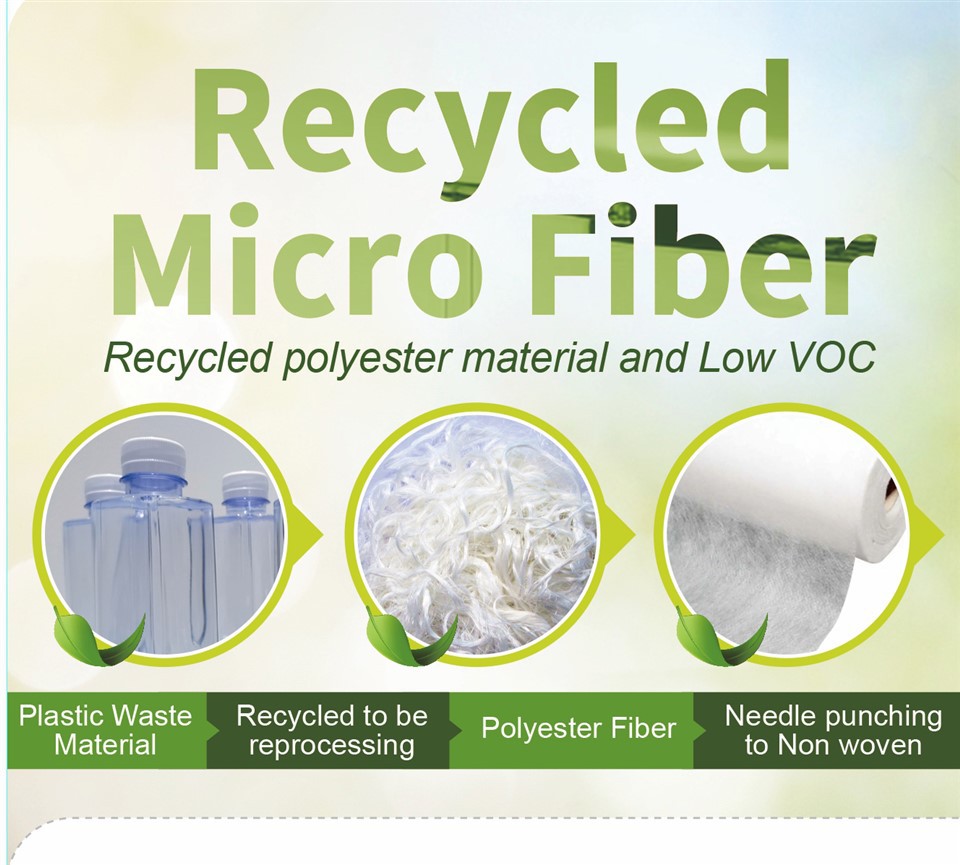
The production of solvent-free leather typically involves the use of advanced technologies and materials. For instance, Breathable Microfiber Leather is a popular choice for solvent-free leather production. It is made from ultra-fine fibers that mimic the structure and properties of natural leather, providing excellent breathability and durability. Another key component is Recycled Microfiber, which is made from recycled materials, further enhancing the sustainability of the leather. The Microfiber Base serves as the foundation for the leather, providing strength and stability.
Factors Affecting Colorfastness
Several factors can affect the colorfastness of solvent-free leather. One of the primary factors is the quality of the dyes and pigments used in the coloring process. High-quality dyes and pigments are more likely to adhere to the leather fibers and resist fading, bleeding, or transfer. Additionally, the type of leather and its surface treatment can also impact colorfastness. For example, leather with a smooth and dense surface is generally more resistant to color loss than leather with a porous or rough surface.
Environmental factors also play a significant role in colorfastness. Exposure to sunlight, heat, moisture, and chemicals can all cause the color of the leather to fade or change over time. Sunlight, in particular, is a major culprit, as the ultraviolet (UV) rays can break down the chemical bonds in the dyes and pigments, leading to color degradation. Heat and moisture can also accelerate the fading process, especially if the leather is not properly cared for.
Testing Colorfastness
To ensure the colorfastness of solvent-free leather, it is essential to conduct rigorous testing. There are several international standards and testing methods available, such as the ISO 105 series of standards, which cover various aspects of colorfastness, including light, washing, rubbing, and perspiration. These tests simulate real-world conditions and provide a reliable measure of the leather's colorfastness performance.
In addition to standard testing methods, we also conduct in-house testing to ensure the quality and consistency of our solvent-free leather. Our testing facilities are equipped with state-of-the-art equipment and staffed by experienced technicians who follow strict quality control procedures. We test each batch of leather for colorfastness under different conditions, including sunlight exposure, washing, and rubbing, to ensure that it meets our high standards.
Advantages of Solvent-Free Leather in Colorfastness
Solvent-free leather offers several advantages in terms of colorfastness compared to traditional leather. One of the main advantages is its resistance to fading. The advanced dyes and pigments used in solvent-free leather are designed to be more stable and durable, providing long-lasting color that retains its vibrancy even after extended use and exposure to environmental factors.
Another advantage is its resistance to bleeding and transfer. Solvent-free leather is less likely to bleed or transfer color onto other surfaces, making it ideal for applications where color integrity is crucial, such as in furniture upholstery, automotive interiors, and fashion accessories. This is especially important for light-colored or white leather, which is more prone to showing signs of color transfer.
Real-World Applications
The excellent colorfastness performance of solvent-free leather makes it suitable for a wide range of real-world applications. In the furniture industry, solvent-free leather is increasingly being used for upholstery due to its durability, comfort, and aesthetic appeal. Its resistance to fading and color transfer ensures that the furniture retains its original appearance for years to come, even with regular use.
In the automotive industry, solvent-free leather is used for seat covers, steering wheels, and other interior components. The harsh conditions inside a car, including sunlight exposure, heat, and moisture, can quickly cause traditional leather to fade and deteriorate. Solvent-free leather, on the other hand, is able to withstand these conditions and maintain its color and quality, providing a luxurious and long-lasting interior for the vehicle.
In the fashion industry, solvent-free leather is used for a variety of products, such as handbags, wallets, shoes, and clothing. Its colorfastness and durability make it a popular choice for designers who want to create high-quality and sustainable fashion items. Solvent-free leather also offers a wider range of colors and finishes compared to traditional leather, allowing for more creative and unique designs.
Contact for Purchase and Collaboration
If you're interested in learning more about our solvent-free leather products or would like to discuss a potential purchase or collaboration, please don't hesitate to reach out. Our team of experts is dedicated to providing you with the best possible solutions and support. We can offer samples for you to test the colorfastness and other properties of our leather firsthand. Whether you're a furniture manufacturer, automotive supplier, or fashion brand, we have the expertise and resources to meet your specific needs.
References
- ISO 105 series of standards on colorfastness testing.
- Research papers on the properties and applications of solvent-free leather.


