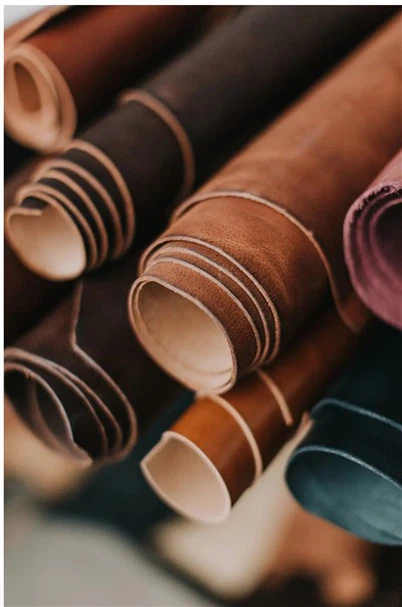
How does the thickness of basketball leather matter?
Leave a message

How does the thickness of basketball leather matter?
As a seasoned basketball leather supplier, I've witnessed firsthand the pivotal role that the thickness of basketball leather plays in the overall performance and quality of the ball. In this blog, I'll delve into the nuances of how leather thickness impacts various aspects of a basketball, from its feel and durability to its bounce and grip.
The Basics of Basketball Leather Thickness
Before we explore the implications of leather thickness, it's essential to understand the different types of basketball leather available. There are primarily two main categories: genuine leather and synthetic materials such as Microfiber Basketball Leather. Each type has its own unique characteristics and thickness ranges.
Genuine leather is often prized for its natural feel and durability. It typically comes in thicknesses ranging from 1.2mm to 1.8mm. Thicker genuine leather tends to be more robust and can withstand the rigors of intense play. On the other hand, synthetic materials like microfiber leather offer a more consistent thickness and can be engineered to meet specific performance requirements. Microfiber basketball leather usually has a thickness between 0.8mm and 1.2mm.
Impact on Feel and Handling
One of the most noticeable effects of leather thickness is on the feel of the basketball in your hands. Thicker leather provides a more substantial and solid feel. When you grip a basketball with thicker leather, you can sense a greater connection to the ball. It gives you a sense of control and stability, especially during dribbling and shooting.
For professional players and serious enthusiasts, the feel of the ball is crucial. A ball with the right thickness of leather allows for precise ball handling and better shooting accuracy. The added weight and density of thicker leather can also enhance the overall balance of the ball, making it easier to manage during fast - paced gameplay.
Conversely, thinner leather offers a lighter and more flexible feel. It can make the ball seem more responsive and quicker to handle. This can be advantageous for players who rely on speed and agility, as the lighter ball allows for faster dribbling and more rapid ball movement. However, some players may find that thinner leather lacks the same level of grip and control as thicker leather, especially when the ball gets wet or sweaty.
Durability and Longevity
Durability is another key factor influenced by leather thickness. Thicker leather is generally more resistant to wear and tear. In high - impact situations, such as rough play on outdoor courts or intense indoor games, a ball with thicker leather is less likely to develop cracks or tears. The extra layer of material provides a buffer against the abrasion caused by the court surface and the constant handling of the ball.
For example, a basketball used in a professional league or a competitive tournament often has relatively thick leather to ensure it can withstand the demanding conditions of regular use. On the other hand, thinner leather may be more suitable for casual play or indoor use where the risk of damage is lower. However, over time, even in these less strenuous environments, thinner leather may start to show signs of wear more quickly than its thicker counterpart.
Bounce and Performance
The thickness of the basketball leather can also have an impact on the ball's bounce. A ball with thicker leather tends to have a more consistent and predictable bounce. The extra mass and stiffness of the leather help to maintain the ball's shape during impact, resulting in a more reliable bounce. This is particularly important in games where accurate ball control and predictable bounces are essential, such as in organized basketball competitions.
Thinner leather, due to its greater flexibility, may allow for a slightly different bounce characteristic. It can absorb more of the impact energy, resulting in a softer bounce. While this may be desirable for some players, especially those who prefer a more forgiving bounce for shooting or passing, it can also make the ball's behavior less predictable in certain situations.

Grip and Traction
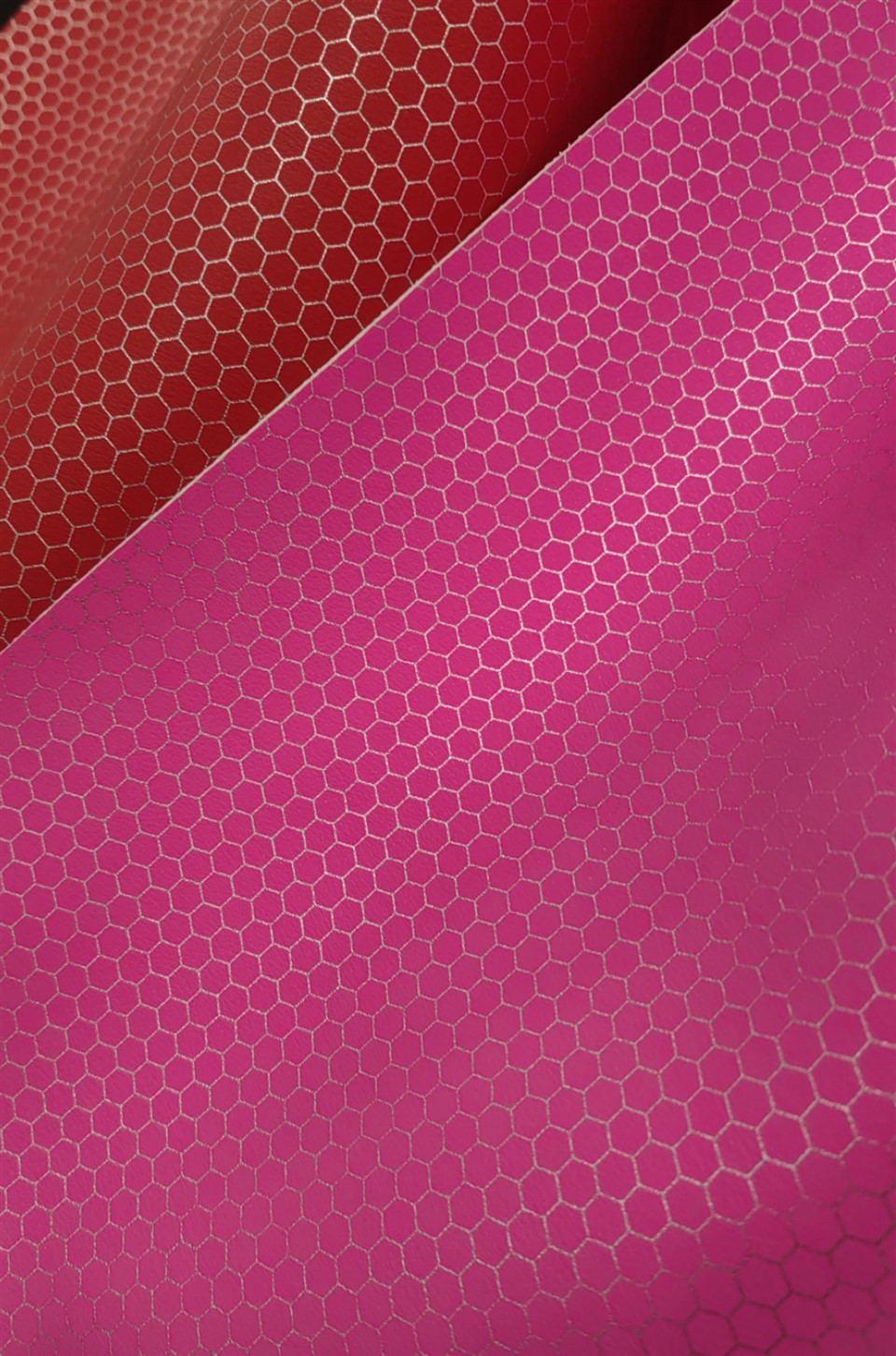
Grip is a critical aspect of basketball performance, and leather thickness plays a significant role in determining the ball's grip. Thicker leather often has a more textured surface, which can enhance grip. The additional material provides more surface area for the player's hands to interact with, increasing friction and improving the ability to hold onto the ball.
In contrast, thinner leather may have a smoother surface, which can reduce grip, especially in wet or sweaty conditions. However, some synthetic microfiber materials with thinner leather can be engineered to have excellent grip properties through the use of special coatings or surface treatments. For example, Microfiber Basketball Leather can be designed to offer a superior grip even with a relatively thin layer of material.
Considerations for Different Playing Environments
The choice of leather thickness also depends on the playing environment. Outdoor courts are typically rougher and more abrasive than indoor courts. Therefore, for outdoor use, a basketball with thicker leather is usually recommended. The thicker leather can better withstand the constant friction against the rough asphalt or concrete surface, ensuring that the ball lasts longer.
Indoor courts, on the other hand, are generally smoother and less likely to cause damage to the ball. In this case, players may have more flexibility in choosing between thicker and thinner leather based on their personal preferences for feel and performance. For indoor games, a ball with thinner leather may be more suitable if you prioritize a lighter and more responsive feel.
Customization and Manufacturer's Choices
As a basketball leather supplier, we understand that different manufacturers have different requirements when it comes to leather thickness. Some manufacturers may opt for a specific thickness to meet the standards of a particular league or to target a specific market segment. For example, a manufacturer aiming for the youth market may choose a thinner leather to make the ball more lightweight and easier for younger players to handle.
We offer a wide range of Basketball Leather options with varying thicknesses to meet the diverse needs of our customers. Our team of experts can work closely with manufacturers to determine the optimal leather thickness based on their specific design and performance requirements.
Conclusion
In conclusion, the thickness of basketball leather matters significantly in various aspects of the ball's performance, feel, and durability. Whether you're a professional player, a casual enthusiast, or a basketball manufacturer, understanding the impact of leather thickness is crucial for making the right choice.
If you're in the market for high - quality basketball leather, we invite you to reach out to us. We are committed to providing the best Basketball Leather solutions tailored to your specific needs. Whether you need thicker leather for durability or thinner leather for a more lightweight feel, we have the expertise and the products to meet your requirements. Contact us today to start a discussion about your basketball leather needs and explore how we can work together to create the perfect basketball.
References
- Basketball Equipment Handbook: A Guide to Understanding Basketball Components, 3rd Edition.
- Journal of Sports Equipment Research, Volume 15, Issue 2: "The Impact of Leather Thickness on Basketball Performance".
- International Basketball Federation (FIBA) Technical Manual on Basketball Equipment Standards.