

How to make sports shoe leather more water - resistant?
Leave a message

As a supplier of sports shoe leather, I understand the importance of water resistance in sports shoes. Athletes and sports enthusiasts often find themselves in various weather conditions, from light drizzles to heavy downpours, and having water - resistant shoes can significantly enhance their performance and comfort. In this blog, I will share some effective ways to make sports shoe leather more water - resistant.
Understanding the Basics of Leather and Water Resistance
Before delving into the methods of enhancing water resistance, it's crucial to understand how leather interacts with water. Leather is a porous material, which means it can absorb water. When leather gets wet, it can become heavy, lose its shape, and may even develop mold if not dried properly. Moreover, water can also damage the dyes and finishes on the leather, leading to color fading and a less appealing appearance.
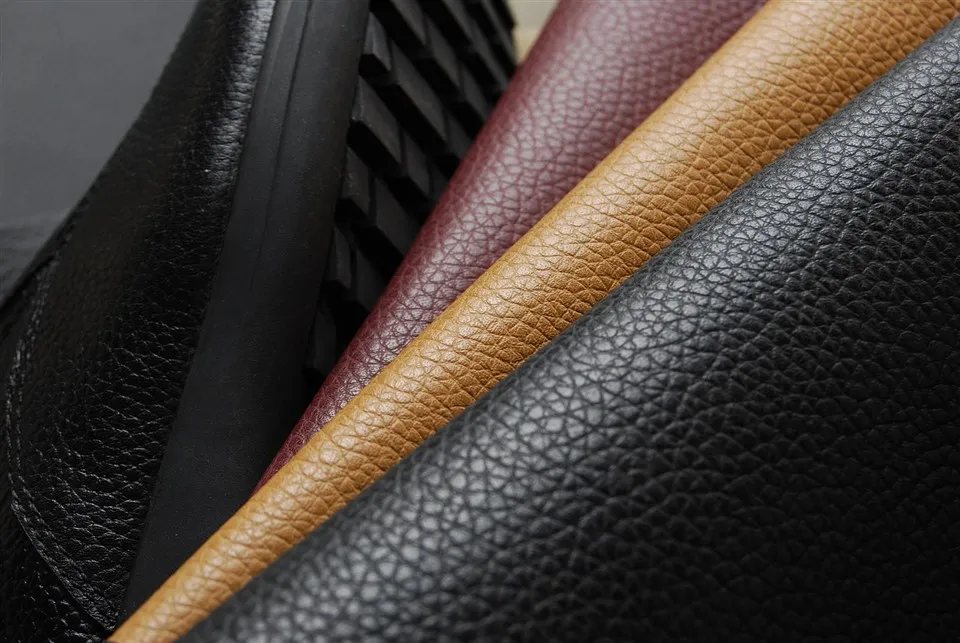
There are different types of leather used in sports shoes, such as natural leather and synthetic alternatives like Microfiber Suede Safety Shoe Leather and Microfiber Vegan Leather. Each type has its own characteristics and responds differently to water. Natural leather, for example, is more breathable but may require more maintenance to keep it water - resistant. Synthetic leathers, on the other hand, can be engineered to have better water - repellent properties from the start.
Pre - Treatment of Leather
Selecting the Right Leather
The first step in making sports shoe leather more water - resistant is to choose the appropriate type of leather. As mentioned earlier, some synthetic leathers are designed to be more water - resistant than natural leather. Microfiber Vegan Leather, for instance, can be treated during the manufacturing process to have a hydrophobic surface. This type of leather is also less likely to absorb water and is more durable in wet conditions.
When it comes to natural leather, look for leathers that have been pre - treated with water - resistant agents at the tannery. Some tanneries use special processes to make the leather more water - repellent, such as chrome tanning combined with water - proofing agents. These pre - treated leathers can serve as a good base for further water - resistance enhancements.
Cleaning and Conditioning
Before applying any water - resistant treatments, it's essential to clean and condition the leather. Dirt and debris on the leather surface can prevent the water - resistant treatment from adhering properly. Use a mild leather cleaner to remove any dirt, stains, or oils from the leather. After cleaning, apply a leather conditioner to keep the leather soft and supple. Conditioning the leather not only improves its appearance but also helps to maintain its structure, which is important for long - term water resistance.
Applying Water - Resistant Treatments
Wax - Based Treatments
Wax - based treatments are a popular choice for making sports shoe leather water - resistant. Wax creates a physical barrier on the leather surface, preventing water from penetrating. To apply a wax - based treatment, first, warm the wax slightly to make it more spreadable. Then, use a soft cloth or brush to apply the wax evenly to the leather surface. Make sure to cover all areas, including seams and edges. After applying the wax, let it dry for a few hours, and then buff the leather with a clean cloth to remove any excess wax and create a smooth finish.
One advantage of wax - based treatments is that they can also enhance the leather's durability. The wax helps to protect the leather from abrasion and wear, which is especially important for sports shoes that are subjected to a lot of movement. However, wax - based treatments may need to be reapplied periodically, especially if the shoes are used frequently in wet conditions.
Silicone - Based Treatments
Silicone - based treatments are another effective option for water - proofing sports shoe leather. Silicone creates a thin, invisible layer on the leather surface that repels water. These treatments are easy to apply and dry quickly. Simply spray the silicone - based treatment evenly on the leather surface and let it dry according to the manufacturer's instructions.
Silicone - based treatments are known for their long - lasting water - repellent properties. They can also provide some protection against UV rays, which can cause the leather to fade and crack over time. However, it's important to choose a high - quality silicone treatment to ensure that it doesn't leave a greasy or sticky residue on the leather.
Fluoropolymer Treatments
Fluoropolymer treatments are a more advanced option for making sports shoe leather water - resistant. Fluoropolymers work by altering the surface tension of the leather, making it difficult for water to adhere to the surface. These treatments are often used in high - performance sports shoes because they provide excellent water resistance and durability.
Applying a fluoropolymer treatment usually requires a professional or specialized equipment. However, some consumer - grade fluoropolymer sprays are available on the market. When using a fluoropolymer treatment, follow the instructions carefully to ensure proper application and safety.
Design Considerations for Water Resistance
Seam Sealing
In addition to treating the leather itself, paying attention to the shoe's design can also improve water resistance. One important aspect is seam sealing. Seams are potential entry points for water, as they can allow water to seep through the gaps between the leather pieces. To seal the seams, use a seam - sealing tape or a waterproof adhesive. This will prevent water from penetrating the shoes through the seams.
Waterproof Linings
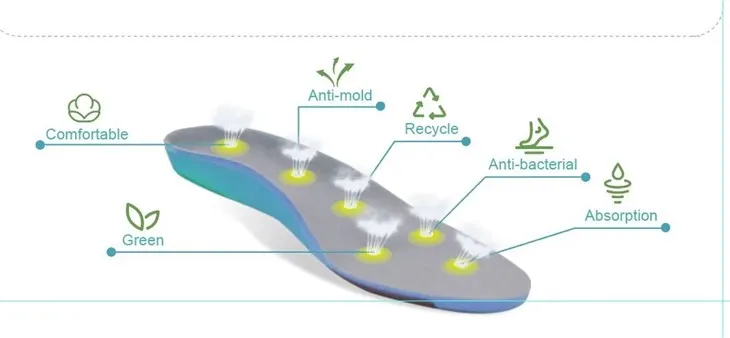
Using a waterproof lining inside the sports shoes can also enhance water resistance. There are various types of waterproof linings available, such as Gore - Tex and eVent. These linings are breathable, which means they allow moisture vapor to escape from the shoes while preventing water from entering. When combined with water - resistant leather, a waterproof lining can create a highly effective barrier against water.
Maintaining Water Resistance
Regular Inspections
Once the sports shoe leather has been treated for water resistance, it's important to conduct regular inspections. Check the leather for any signs of wear, damage, or loss of water resistance. If you notice that the water is no longer beading on the leather surface or that the shoes are getting wet more easily, it may be time to reapply the water - resistant treatment.
Proper Storage
Proper storage of sports shoes is also crucial for maintaining water resistance. Store the shoes in a cool, dry place away from direct sunlight and heat sources. Avoid storing the shoes in a damp environment, as this can promote the growth of mold and mildew, which can damage the leather and reduce its water - resistant properties.
Conclusion
Making sports shoe leather more water - resistant is a multi - step process that involves selecting the right leather, pre - treating it, applying appropriate water - resistant treatments, considering design factors, and maintaining the water resistance over time. As a sports shoe leather supplier, I offer a range of high - quality leathers, including Microfiber Suede Safety Shoe Leather, Microfiber Vegan Leather, and Breathable Leather, that can be enhanced with these water - resistant techniques.
If you are in the market for sports shoe leather and want to discuss how to make it more water - resistant, I invite you to contact me for a procurement negotiation. We can work together to find the best solutions for your specific needs.
References
- "Leather Science and Technology" by Dr. John C. Williams
- "The Complete Guide to Leather Care" by Leather Experts Association
- Product manuals and technical data sheets from leather treatment manufacturers


