

Is microfiber base environmentally friendly?
Leave a message

Hey there! As a supplier of microfiber base, I often get asked whether microfiber base is environmentally friendly. It's a hot topic these days, and I'm more than happy to share my insights on this.
Let's start by understanding what microfiber base is. Microfiber base is a key component in the production of various materials, especially in the realm of synthetic leather. It's made up of ultra - fine fibers that are engineered to mimic the properties of natural leather. You can find more detailed information about it on our website: Microfiber Base.
Now, when it comes to the environmental aspect, we need to look at both the pros and cons.
The Positive Side of Microfiber Base for the Environment
One of the biggest advantages of microfiber base is that it reduces the demand for natural leather. Traditional leather production has a significant environmental footprint. Cattle farming, which is the primary source of natural leather, requires large amounts of land, water, and feed. It also contributes to greenhouse gas emissions. According to a study by the Food and Agriculture Organization (FAO), livestock production accounts for about 14.5% of global greenhouse gas emissions. By using microfiber base as an alternative, we can help ease the pressure on the environment associated with cattle farming.
Microfiber base is also more durable than many other synthetic materials. This means that products made from it have a longer lifespan. When a product lasts longer, it doesn't need to be replaced as often, reducing the overall amount of waste generated. For example, a microfiber - based sofa can last for many years without showing significant signs of wear and tear, compared to a sofa made from a lower - quality synthetic material that might need to be replaced every few years.
Another plus is that the production process of microfiber base has become more efficient over the years. Manufacturers are constantly looking for ways to reduce energy consumption and waste during production. Some companies have adopted advanced technologies that recycle water and reduce the use of chemicals in the manufacturing process. This not only helps the environment but also makes the production more sustainable in the long run.
The Negative Aspects
However, microfiber base isn't without its environmental drawbacks. Most microfiber bases are made from petrochemicals, which are non - renewable resources. The extraction and processing of petrochemicals contribute to environmental pollution and the depletion of fossil fuels. When these products reach the end of their life cycle, they often end up in landfills, where they can take hundreds of years to decompose.
Microfiber base can also release microplastics into the environment. Every time a microfiber - based product is washed, tiny plastic fibers are shed and enter the wastewater system. These microplastics can then make their way into rivers, lakes, and oceans, where they pose a threat to marine life. A study in the journal Environmental Science & Technology found that a single load of laundry can release hundreds of thousands of microplastic fibers.
Bio - based Alternatives
To address some of these environmental concerns, the industry has been exploring bio - based alternatives. Bio - based Leather and Bio - based Microfiber Leather are two such options. These materials are made from renewable resources such as plant - based polymers, which reduces the reliance on petrochemicals.
Bio - based microfiber leather has many of the same properties as traditional microfiber base, including durability and a similar look and feel to natural leather. At the same time, it has a lower carbon footprint and is more biodegradable. This makes it a more environmentally friendly choice for consumers who are concerned about the impact of their purchases on the planet.
Making an Informed Decision
So, is microfiber base environmentally friendly? Well, it's a bit of a mixed bag. While it has some environmental benefits, such as reducing the demand for natural leather and being more durable, it also has some negative impacts, mainly related to its petrochemical origin and the release of microplastics.
If you're a consumer looking to make an environmentally conscious choice, you might want to consider bio - based alternatives. However, if you're more focused on the cost - effectiveness and durability of the product, traditional microfiber base can still be a good option.
As a supplier, I'm committed to providing high - quality microfiber base products while also working towards more sustainable practices. We're constantly researching and developing new ways to reduce the environmental impact of our products, such as investing in bio - based materials and improving our production processes.
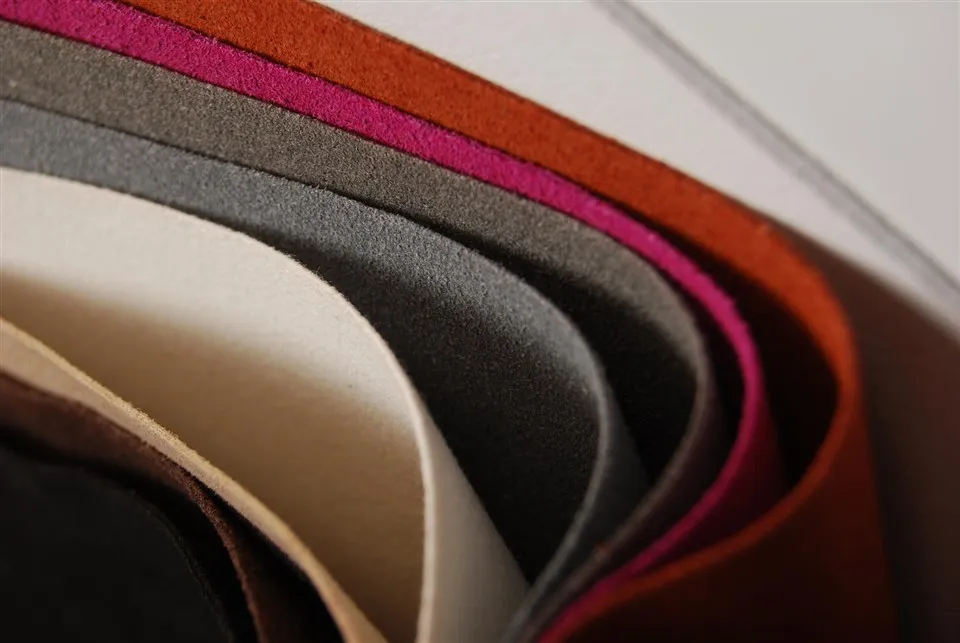

If you're interested in learning more about our microfiber base products or are thinking about making a purchase, I'd love to have a chat with you. Whether you're a furniture manufacturer, a fashion brand, or any other business that uses microfiber base, we can work together to find the best solution for your needs. Just reach out to us, and we can start the conversation about how we can meet your requirements in a more environmentally friendly way.
References
- Food and Agriculture Organization (FAO). (2013). Tackling Climate Change Through Livestock – A Global Assessment of Emissions and Mitigation Opportunities.
- Browne, M. A., et al. (2011). "Accumulation of Microplastic on Shorelines Woldwide: Sources and Sinks." Environmental Science & Technology, 45(21), 9175 - 9180.


