

Is recycled microfiber resistant to fading?
Leave a message

Hey there! I'm a supplier of recycled microfiber, and today I want to dig into a question that often comes up: Is recycled microfiber resistant to fading?
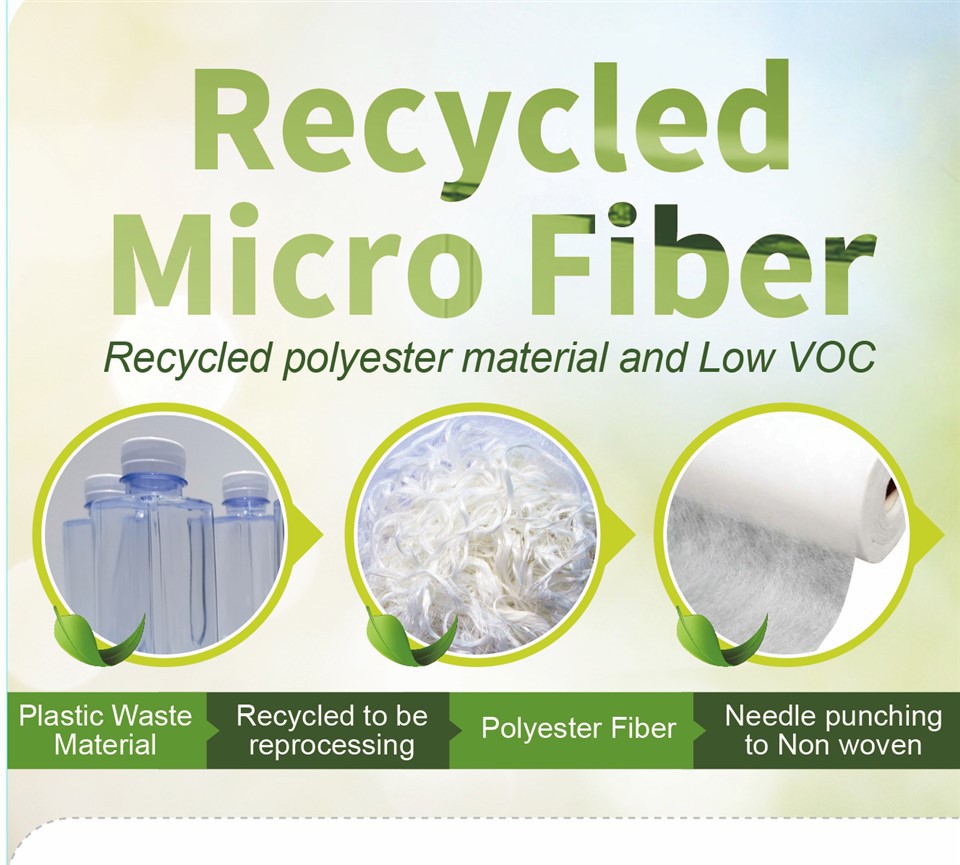
Let's start by getting a bit of background on recycled microfiber. Recycled microfiber is an amazing material. It's made from post - consumer waste, like old plastics and textiles. By turning this waste into new microfiber, we're not only reducing the amount of junk in landfills but also creating a sustainable alternative to traditional materials. You can check out more about it here: Recycled Microfiber.
Now, fading is a big deal when it comes to any material, especially if you're using it for long - term projects. Whether it's furniture upholstery, car interiors, or even fashion items, nobody wants their stuff to lose its color and look dull after a short while.
So, what makes recycled microfiber potentially resistant to fading? Well, one of the key factors is the manufacturing process. When we make recycled microfiber, we use advanced techniques to ensure that the color is deeply embedded in the fibers. Unlike some cheaper materials where the color is just on the surface and can easily rub off or fade with exposure to sunlight and other elements, recycled microfiber has a more permanent coloration.
Let's talk about sunlight. Sunlight is one of the biggest culprits when it comes to fading. Ultraviolet (UV) rays in sunlight can break down the chemical bonds in dyes, causing colors to fade. But recycled microfiber is often treated with UV - resistant additives during the manufacturing process. These additives act like a shield, protecting the color from the harmful effects of UV rays.
Another aspect is the quality of the dyes used. We don't cut corners when it comes to dyes. We use high - quality, color - fast dyes that are specifically formulated to withstand fading. These dyes are designed to hold up well over time, even with regular exposure to light, heat, and moisture.
But it's not just about the manufacturing. How you take care of your recycled microfiber products also plays a role in preventing fading. For example, if you're using recycled microfiber in your home, try to avoid placing it in direct sunlight for extended periods. You can use curtains or blinds to block out the harsh sunlight during the peak hours of the day.

In terms of cleaning, using the right products is crucial. Harsh chemicals can damage the fibers and the color of the recycled microfiber. Instead, use mild, pH - balanced cleaners that are specifically designed for microfiber materials. This way, you can keep your recycled microfiber looking fresh and colorful for longer.
Let's look at some real - world applications. Take Microfiber Nappa Leather for instance. It's a type of recycled microfiber that's often used in high - end furniture and automotive interiors. Customers who have used this material have reported that it retains its color and texture even after years of use. This is a testament to the fading resistance of recycled microfiber.
Floor Leather is another great example. Flooring is constantly exposed to foot traffic, sunlight, and spills. But recycled microfiber floor leather can withstand all these challenges and still look great. Its color remains vibrant, and it doesn't show signs of fading easily.
Now, I know you might be thinking, "That all sounds great, but is there any scientific evidence?" Well, there have been several studies on the colorfastness of microfiber materials in general. While specific studies on recycled microfiber are a bit limited, the principles of colorfastness apply. Microfiber materials, in general, have been shown to have good resistance to fading due to their structure and the way they're dyed.
One study found that microfiber materials with proper UV protection and high - quality dyes can maintain up to 90% of their original color after 500 hours of exposure to simulated sunlight. This is a pretty impressive result and gives us a good indication that recycled microfiber, with its similar manufacturing processes and quality standards, should also have good fading resistance.
In conclusion, recycled microfiber is indeed resistant to fading. Thanks to advanced manufacturing techniques, high - quality dyes, and UV - resistant additives, it can hold up well against the elements and maintain its color for a long time. Whether you're a designer looking for a sustainable and long - lasting material or a consumer wanting to invest in quality products, recycled microfiber is a great choice.
If you're interested in learning more about our recycled microfiber products or want to start a procurement discussion, don't hesitate to reach out. We're always happy to talk about how our materials can meet your needs and help you create amazing products.
References:
- General studies on microfiber colorfastness from textile research institutions.
- Customer feedback on Microfiber Nappa Leather and Floor Leather products.


