

Is recycled microfiber resistant to insects?
Leave a message

Hey there! As a supplier of recycled microfiber, I often get asked all sorts of questions about our product. One question that's been popping up a lot lately is, "Is recycled microfiber resistant to insects?" Well, let's dive right into it and find out.
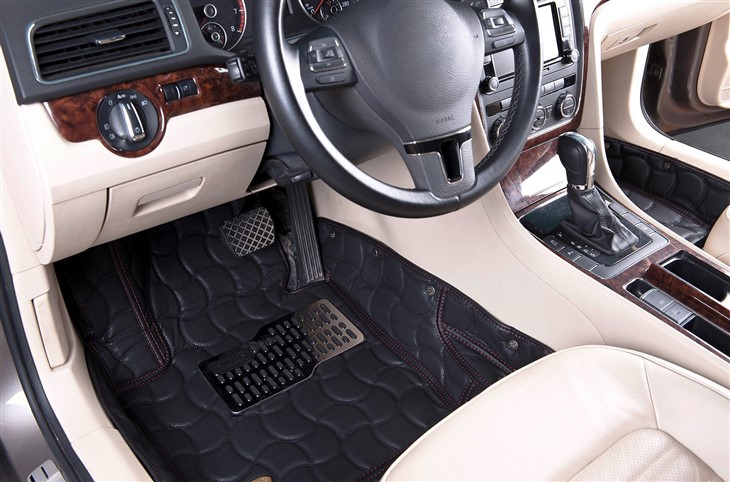
First off, let's talk a bit about what recycled microfiber is. Recycled microfiber is an amazing material that's made from post - consumer waste. It's an eco - friendly alternative to traditional microfiber and other materials. You can learn more about it on our [Recycled Microfiber]( /microfiber - leather/ultrafine - fiber - leather/recycled - microfiber.html) page. This material is super versatile and is used in a wide range of products, from furniture upholstery to clothing and even [Floor Leather]( /microfiber - leather/ultrafine - fiber - leather/floor - leather.html).
Now, let's get to the big question: insect resistance. Insects are a nuisance, and they can cause a lot of damage to different materials. When it comes to recycled microfiber, the good news is that it has some natural properties that make it relatively resistant to insects.
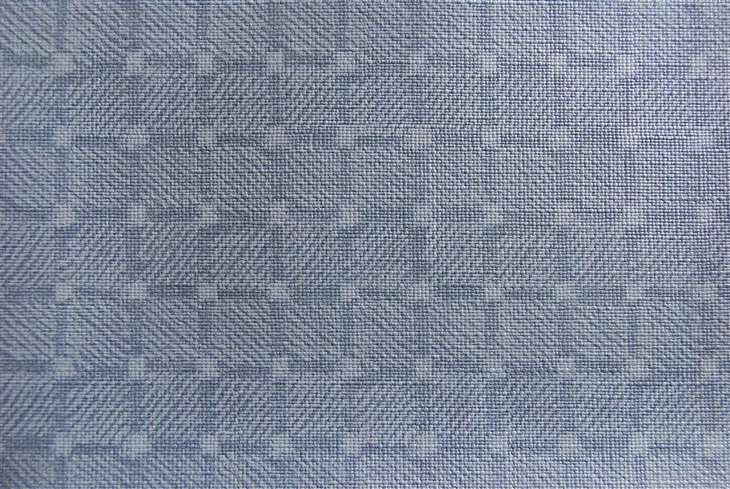
One of the main reasons recycled microfiber is resistant to insects is its composition. Microfiber is made up of very fine synthetic fibers. These fibers are tightly packed together, creating a dense structure. Insects, like moths or beetles, have a hard time getting through this dense material to reach the inner layers. They can't easily chew or burrow through the tightly woven fibers, which means they're less likely to infest the recycled microfiber.
Another factor is the lack of nutrients in recycled microfiber. Insects are attracted to materials that provide them with food. For example, natural fibers like wool or cotton can contain proteins and other substances that insects feed on. But recycled microfiber is a synthetic material, and it doesn't have these nutrients. So, there's no real incentive for insects to make a home in it.
However, it's important to note that while recycled microfiber is resistant, it's not completely immune to insect problems. In some rare cases, if the material is exposed to extremely dirty or damp conditions for a long time, it could potentially attract insects. For instance, if there are food crumbs or spills on the recycled microfiber and they're not cleaned up, it could create an environment that's more appealing to insects. Also, if the material is stored in a very humid area, it might encourage the growth of mold or mildew, which could in turn attract insects.
To keep your recycled microfiber products insect - free, there are a few simple steps you can take. First, keep the area clean. Regularly vacuum or wipe down the recycled microfiber surfaces to remove any dirt, dust, or debris. This will reduce the chances of attracting insects. Second, control the humidity in the environment. Using a dehumidifier in damp areas can help prevent mold and mildew growth.
Let's compare recycled microfiber to some other materials in terms of insect resistance. Take natural leather, for example. Natural leather can be more prone to insect damage. Leather contains proteins that insects find appealing, and it can also absorb moisture easily, which creates a favorable environment for insects. On the other hand, recycled microfiber doesn't have these issues, making it a better choice in terms of insect resistance.
Another comparison is with natural fabrics like cotton. Cotton can be a favorite among insects, especially moths. Moths are known to lay their eggs in cotton fabrics, and the larvae then feed on the fibers. Recycled microfiber doesn't offer this kind of food source, so it's much less likely to be targeted by moths.
Now, let's talk about some of the applications of recycled microfiber and how its insect - resistant properties come in handy. In the furniture industry, recycled microfiber is a great choice for upholstery. You don't have to worry about insects damaging your sofas or chairs. It's also a popular choice for car interiors. Insects can't easily infest the seats or dashboard covers made of recycled microfiber, which is a huge plus for car owners.
In the home decor market, [Bio - based Microfiber Leather]( /microfiber - leather/ultrafine - fiber - leather/bio - based - microfiber - leather.html), which is related to recycled microfiber, is used for things like curtains and wall coverings. Its insect - resistant nature ensures that these items stay in good condition for a long time.
If you're in the market for a material that's not only eco - friendly but also resistant to insects, recycled microfiber is definitely worth considering. We're a leading supplier of recycled microfiber, and we have a wide range of products to meet your needs. Whether you're a furniture manufacturer, a fashion designer, or just someone looking to spruce up their home, we've got you covered.
If you're interested in learning more about our recycled microfiber products or if you want to discuss a potential purchase, don't hesitate to reach out. We're always happy to answer your questions and help you find the right solution for your project.
In conclusion, recycled microfiber is a great option when it comes to insect resistance. Its dense structure and lack of nutrients make it an unappealing target for insects. While it's not completely immune, with proper care, it can stay insect - free for a long time. So, why not give recycled microfiber a try?
References
- "Synthetic Fibers and Their Properties" - Textile Research Journal
- "Insect Behavior and Material Preferences" - Entomology Today


