

What are the technological advancements in recycled microfiber production?
Leave a message

In recent years, the demand for sustainable and eco - friendly materials has been on the rise. As a recycled microfiber supplier, I've witnessed firsthand the remarkable technological advancements in recycled microfiber production. These innovations not only address environmental concerns but also enhance the quality and versatility of recycled microfiber products.
1. Advanced Recycling Technologies
One of the most significant breakthroughs in recycled microfiber production is the development of advanced recycling technologies. Traditional recycling methods often faced challenges such as low efficiency, poor quality of recycled fibers, and high energy consumption. However, modern technologies have overcome these limitations.
Chemical Recycling
Chemical recycling is a cutting - edge process that breaks down microfiber waste into its basic chemical components. This method allows for the production of high - quality recycled microfibers that are almost indistinguishable from virgin fibers. For example, certain chemical recycling processes can dissolve polyester microfiber waste in a solvent, separate impurities, and then polymerize the purified monomers into new fibers. This process not only reduces waste but also conserves resources by reusing the chemical building blocks of the microfibers.
Mechanical Recycling with Improved Sorting
Mechanical recycling has also seen significant improvements, especially in the area of sorting. Automated sorting systems using advanced sensors and imaging technologies can accurately separate different types of microfiber waste based on their composition, color, and other characteristics. This precise sorting ensures that the recycled microfibers are of consistent quality, which is crucial for applications in industries such as fashion and automotive. After sorting, the microfiber waste is shredded, melted, and extruded into new fibers. The use of more energy - efficient melting and extrusion equipment has also made mechanical recycling more sustainable.

2. Quality Enhancement of Recycled Microfibers
In the past, recycled microfibers were often associated with lower quality compared to virgin fibers. However, technological advancements have changed this perception.

Nanotechnology in Microfiber Production
Nanotechnology has played a crucial role in enhancing the quality of recycled microfibers. By incorporating nanoparticles into the microfiber structure, manufacturers can improve properties such as strength, durability, and resistance to moisture and chemicals. For instance, adding silver nanoparticles can give recycled microfibers antibacterial properties, making them suitable for use in medical textiles. Nanoparticle - enhanced recycled microfibers can also have improved dye - ability, allowing for a wider range of colors and better colorfastness.
Surface Modification Techniques
Surface modification techniques are another area where significant progress has been made. Through plasma treatment, chemical grafting, or other surface - modification methods, the surface properties of recycled microfibers can be tailored to specific applications. For example, surface modification can improve the adhesion of recycled microfibers to other materials, making them more suitable for use in composite materials. It can also enhance the wicking properties of the fibers, which is beneficial for sportswear and other moisture - management applications.
3. Environmental Sustainability Improvements
As a recycled microfiber supplier, environmental sustainability is at the core of our business. Technological advancements in recycled microfiber production have led to significant improvements in this area.
Reduced Energy Consumption
Modern recycling technologies are designed to be more energy - efficient. For example, new chemical recycling processes often operate at lower temperatures and pressures compared to traditional methods, reducing energy consumption. Additionally, the use of renewable energy sources in the production process, such as solar and wind power, further reduces the carbon footprint of recycled microfiber production.
Lower Water Usage
Water is a precious resource, and reducing water usage in the production process is crucial. Advanced recycling technologies have been developed to minimize water consumption. For example, some mechanical recycling processes use dry cleaning methods instead of water - based cleaning, significantly reducing water usage. In chemical recycling, closed - loop systems are being implemented to recycle and reuse water, further conserving this valuable resource.
4. Versatility and New Applications
The technological advancements in recycled microfiber production have also expanded the range of applications for recycled microfibers.
Automotive Industry
Recycled microfibers are increasingly being used in the automotive industry. Their high strength - to - weight ratio, durability, and ability to be molded into various shapes make them suitable for applications such as seat covers, headliners, and door panels. In addition, the environmental benefits of using recycled materials align with the automotive industry's growing focus on sustainability.
Fashion and Textile Industry
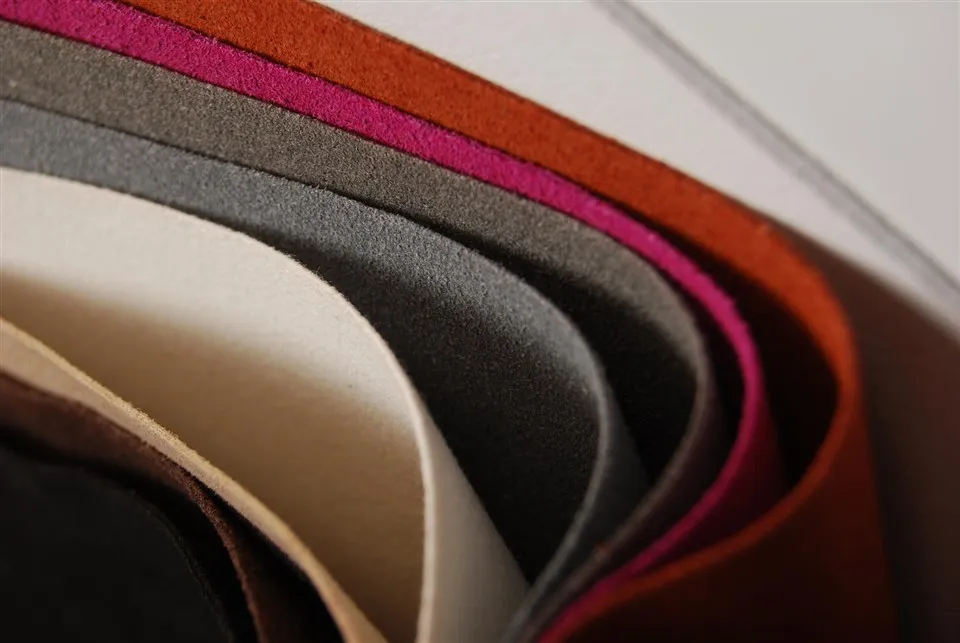
In the fashion and textile industry, recycled microfibers are used to create a wide range of products, from casual wear to high - end fashion items. The quality improvements in recycled microfibers have made them a popular choice for designers who want to create sustainable and stylish clothing. Garment Microfiber Leather is an excellent example of a product that combines the look and feel of traditional leather with the sustainability of recycled microfibers.
Home Furnishing Industry
The home furnishing industry is also benefiting from the advancements in recycled microfiber production. Recycled microfibers can be used to make upholstery, curtains, and carpets. Their durability, stain resistance, and ease of cleaning make them a practical choice for home furnishings. Moreover, the environmental friendliness of recycled microfibers appeals to consumers who are looking for sustainable home decor options.
5. Customization and Tailoring of Recycled Microfibers
Advances in technology have also enabled greater customization of recycled microfibers. Manufacturers can now tailor the properties of recycled microfibers to meet the specific needs of different industries and applications.
Fiber Blending
Fiber blending is a technique that involves combining recycled microfibers with other types of fibers, such as natural fibers or synthetic fibers. This allows for the creation of materials with unique properties. For example, blending recycled microfibers with cotton can result in a fabric that has the softness of cotton and the durability of microfibers. Fiber blending can also be used to adjust the moisture - wicking, insulation, and stretch properties of the final product.
Precision Manufacturing
Precision manufacturing technologies, such as computer - controlled spinning and weaving processes, allow for the production of recycled microfibers with precise dimensions and properties. This level of precision is essential for applications where tight tolerances are required, such as in the aerospace and electronics industries.
Contact for Purchase and Negotiation
If you are interested in incorporating recycled microfibers into your products, we are here to help. Our team of experts can provide you with detailed information about our recycled microfiber products, including their properties, applications, and environmental benefits. Whether you are in the automotive, fashion, home furnishing, or any other industry, we can work with you to find the best recycled microfiber solutions for your needs. Please feel free to contact us to start the purchasing negotiation process.
References
- Brown, T. (2020). "Sustainable Textile Recycling Technologies." Journal of Environmental Textiles, 15(2), 34 - 45.
- Green, L. (2021). "Advances in Microfiber Production and Applications." Textile Science Review, 22(3), 56 - 67.
- White, S. (2022). "Nanotechnology in Textile Recycling." Nanomaterials Research Journal, 8(4), 78 - 89.


