

What is the bending fatigue resistance of safety shoe leather?
Leave a message

When it comes to safety shoes, the quality of the leather used plays a pivotal role in ensuring both durability and protection. As a dedicated safety shoe leather supplier, I've delved deep into the characteristics of different leathers, and one crucial aspect that often gets overlooked is the bending fatigue resistance of safety shoe leather. In this blog, I'll explore what bending fatigue resistance means, why it's essential for safety shoe leather, and how it impacts the overall performance of safety shoes.
Understanding Bending Fatigue Resistance
Bending fatigue resistance refers to a material's ability to withstand repeated bending and flexing without undergoing significant damage or failure. In the context of safety shoe leather, this property is of utmost importance because safety shoes are constantly subjected to bending and flexing as the wearer walks, runs, or performs various tasks. Every step involves a complex sequence of movements that cause the leather to bend, stretch, and compress. Over time, if the leather lacks sufficient bending fatigue resistance, it can develop cracks, splits, or other forms of damage, compromising the integrity and functionality of the safety shoe.
To measure the bending fatigue resistance of safety shoe leather, manufacturers typically use specialized testing equipment. One common test method is the Taber Flex Test, which involves repeatedly bending the leather sample at a specified angle and frequency until it fails. The number of cycles the leather can withstand before failure is recorded as an indicator of its bending fatigue resistance. Another test method is the Monsanto Flexometer Test, which measures the heat buildup and physical deterioration of the leather under cyclic flexing.
Why Bending Fatigue Resistance Matters for Safety Shoe Leather
There are several reasons why bending fatigue resistance is crucial for safety shoe leather:

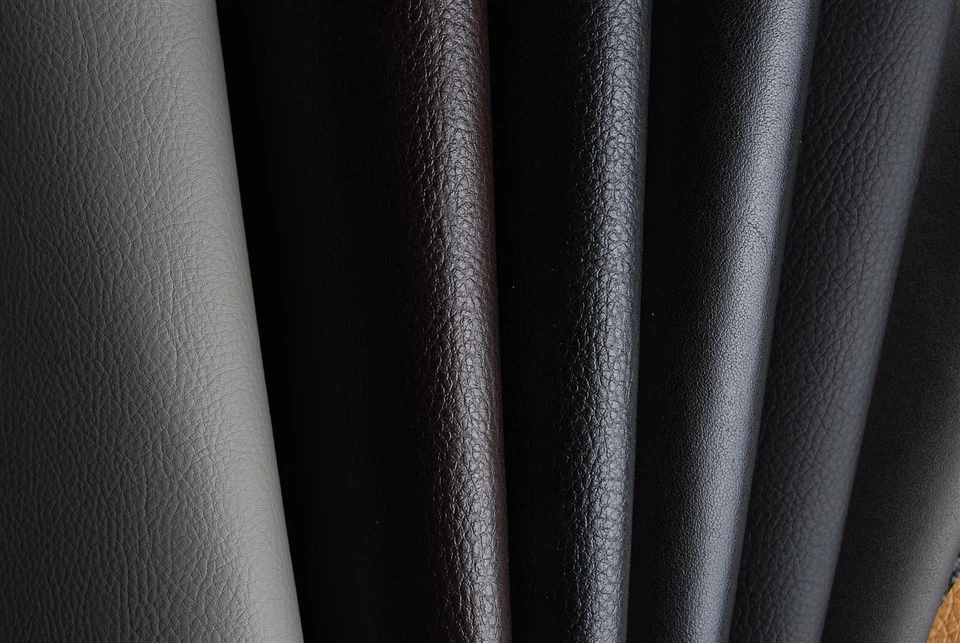
- Durability: Safety shoes are often used in demanding work environments where they are exposed to harsh conditions and heavy use. Leather with high bending fatigue resistance can withstand the rigors of daily wear and tear, ensuring that the safety shoes last longer and provide reliable protection over an extended period.
- Comfort: A safety shoe that fits well and allows for natural foot movement is essential for the comfort of the wearer. Leather with good bending fatigue resistance can flex and conform to the shape of the foot without causing discomfort or restricting movement. This helps to reduce foot fatigue and improve overall comfort, especially during long working hours.
- Safety: The primary function of safety shoes is to protect the feet from various hazards, such as impact, puncture, and chemical exposure. Leather with poor bending fatigue resistance may develop cracks or splits over time, which can compromise the protective properties of the safety shoe. For example, a crack in the leather may allow sharp objects to penetrate the shoe and cause injury to the foot. By using leather with high bending fatigue resistance, manufacturers can ensure that the safety shoes maintain their integrity and provide reliable protection throughout their lifespan.
Factors Affecting Bending Fatigue Resistance
Several factors can affect the bending fatigue resistance of safety shoe leather:
- Leather Type: Different types of leather have different bending fatigue resistance properties. For example, full-grain leather, which is made from the top layer of the hide, is generally more durable and has better bending fatigue resistance than split leather, which is made from the lower layers of the hide. Synthetic leather, such as Microfiber Suede Safety Shoe Leather, can also offer good bending fatigue resistance, especially when it is designed and engineered for specific applications.
- Tanning Process: The tanning process used to treat the leather can also affect its bending fatigue resistance. Chrome tanning, which is the most common tanning method for safety shoe leather, can improve the leather's strength, flexibility, and resistance to moisture. Vegetable tanning, on the other hand, can produce leather with a more natural and breathable feel, but it may have slightly lower bending fatigue resistance compared to chrome-tanned leather.
- Thickness and Density: The thickness and density of the leather can also impact its bending fatigue resistance. Generally, thicker and denser leather tends to have better bending fatigue resistance than thinner and less dense leather. However, it's important to find the right balance between thickness and flexibility, as overly thick leather may make the safety shoe heavy and uncomfortable to wear.
- Additives and Treatments: Manufacturers may use various additives and treatments to improve the bending fatigue resistance of safety shoe leather. For example, some leathers are treated with special coatings or impregnants to enhance their resistance to abrasion, moisture, and chemicals. These treatments can help to extend the lifespan of the leather and improve its overall performance.
Our Range of Safety Shoe Leather with Excellent Bending Fatigue Resistance
As a safety shoe leather supplier, we understand the importance of providing high-quality leather with excellent bending fatigue resistance. That's why we offer a wide range of safety shoe leather products that are specifically designed to meet the needs of different industries and applications.
Our Microfiber Suede Safety Shoe Leather is a popular choice for safety shoes due to its softness, durability, and excellent bending fatigue resistance. It has a suede-like finish that provides a comfortable and breathable feel, making it ideal for long-term wear. Our Sports Shoe Leather is another option that offers high-performance and flexibility. It is designed to withstand the rigors of sports and athletic activities, making it suitable for safety shoes used in active work environments.
In addition, we also offer Breathable Leather that combines excellent bending fatigue resistance with superior breathability. This type of leather allows air to circulate inside the shoe, keeping the feet dry and comfortable even in hot and humid conditions.
Contact Us for Your Safety Shoe Leather Needs
If you're in the market for high-quality safety shoe leather with excellent bending fatigue resistance, look no further. As a trusted safety shoe leather supplier, we are committed to providing our customers with the best products and services. Whether you're a shoe manufacturer, distributor, or retailer, we can work with you to find the right leather solution for your specific needs.
Contact us today to learn more about our safety shoe leather products and how we can help you enhance the performance and durability of your safety shoes. We look forward to the opportunity to partner with you and contribute to the success of your business.
References
- ASTM International. (2021). ASTM D3629 - 15(2021) Standard Test Method for Flexing Resistance of Leather (De Mattia Type).
- ISO. (2019). ISO 5402-1:2019 Leather - Determination of flex resistance - Part 1: De Mattia method.
- Taber Industries. (n.d.). Taber Flex Test. Retrieved from Taber Industries website
- Monsanto Company. (n.d.). Monsanto Flexometer Test. Retrieved from Monsanto Company website


