

What is the best type of leather for safety shoes?
Leave a message

As a supplier of safety shoe leather, I often get asked, "What's the best type of leather for safety shoes?" Well, there's no one - size - fits - all answer, but let me break down the main types and their pros and cons, so you can make an informed decision for your safety footwear needs.
First up, let's talk about full - grain leather. Now, this is like the Rolls - Royce of leathers. It's made from the top layer of the hide, which means it retains all the natural grain and has the original texture. This gives full - grain leather some serious durability. It can withstand a lot of wear and tear, and with proper care, safety shoes made from full - grain leather can last you for years.
The natural fibers in full - grain leather are tightly packed, making it resistant to abrasion. This is super important for safety shoes because they're usually worn in tough environments where there's a lot of rubbing against rough surfaces. For example, in construction sites or factories, workers are constantly moving around, and their shoes need to hold up. Full - grain leather also develops a beautiful patina over time, which not only looks cool but can also indicate the quality of the leather.
However, full - grain leather can be a bit expensive. It requires a high - quality hide to start with, and the tanning and finishing processes are more complex. Also, it takes some time to break in. Initially, the leather can be stiff, but once it molds to the shape of your foot, it becomes extremely comfortable.
Another popular option is top - grain leather. Top - grain leather is also made from the top layer of the hide, but it's sanded and buffed to remove any imperfections. This gives it a smoother and more uniform appearance compared to full - grain leather.
In terms of durability, top - grain leather is still pretty good. It's not as tough as full - grain leather, but it's more affordable. This makes it a great choice for those on a budget who still want a decent - quality safety shoe. Top - grain leather is also easier to clean and maintain. Since the surface is smoother, dirt and grime don't get trapped as easily.
But there are some downsides. Because it's been sanded, it loses some of the natural strength and breathability of full - grain leather. Over time, it might not hold up as well in extremely harsh conditions as full - grain leather would.
Now, let's move on to split - grain leather. Split - grain leather is made from the lower layers of the hide that are separated from the top layer. It's less expensive than full - grain and top - grain leather, which makes it an attractive option for cost - conscious buyers.
Split - grain leather can be treated to mimic the appearance of top - grain or full - grain leather. For example, it can be embossed with a grain pattern. However, it's not as durable as the other two types. The fibers in split - grain leather are looser, so it's more prone to tearing and abrasion. It also doesn't have the same level of breathability, which can lead to sweaty and uncomfortable feet.
If you're looking for a synthetic alternative, microfiber safety shoe leather is a great option. Microfiber is made from extremely fine synthetic fibers that are woven together. You can find more information about Microfiber Safety Shoe Leather.
Microfiber leather has several advantages. First of all, it's very lightweight. This is a huge plus for people who are on their feet all day. You won't feel weighed down by your shoes. It's also highly resistant to water and stains. In wet or dirty work environments, this is a major benefit. Additionally, microfiber leather is often more breathable than some types of natural leather. You can check out Breathable Leather for more details on breathable options.
Another advantage of microfiber is that it's consistent in quality. Unlike natural leather, which can have variations in texture and strength, microfiber leather is made to a specific standard. However, some people might argue that it lacks the natural look and feel of real leather.
There's also a type of leather suitable for more active safety shoe users - sports shoe leather. As the name suggests, it combines the functionality of safety shoes with the comfort and flexibility needed for more active movement. You can explore Sports Shoe Leather to see what it offers.
Sports shoe leather is usually more flexible and lightweight than traditional safety shoe leather. It's designed to allow for a greater range of motion, which is great for jobs that require a lot of bending, kneeling, or running around. It also often has enhanced cushioning to reduce the impact on your feet during physical activity.
However, because it's more focused on comfort and flexibility, it might not be as durable as full - grain or top - grain leather in heavy - duty industrial applications.
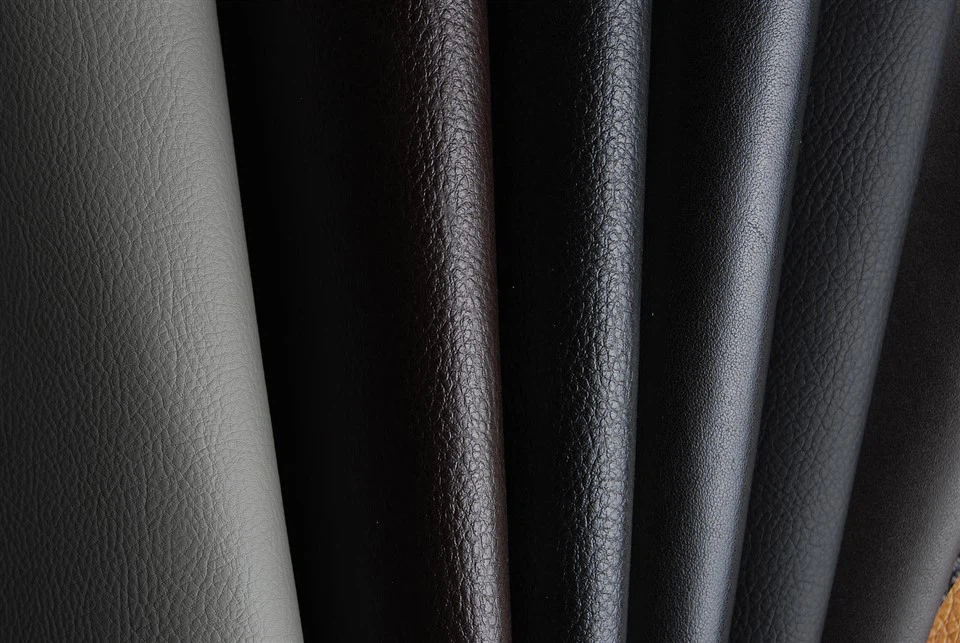

So, which is the best type of leather for safety shoes? Well, it depends on your needs. If you can afford it and you're in a very harsh work environment, full - grain leather is the way to go. If you're on a budget but still want a decent quality shoe, top - grain leather might be your best bet. For those who prefer a synthetic option or need something lightweight and water - resistant, microfiber is a great choice. And if you're very active in your job, sports shoe leather could be the perfect fit.
If you're interested in purchasing safety shoe leather, I'd love to have a chat with you. We can discuss your specific requirements, budget, and the best type of leather for your safety shoes. Whether you're a shoe manufacturer looking for bulk orders or an individual in need of high - quality leather for a custom - made pair of safety shoes, I'm here to help.
References
- "The Complete Guide to Leather Types", Leather Industry Association
- "Safety Footwear Materials: A Comparative Analysis", Journal of Occupational Safety Research


