

What is the difference between suede lining leather and kangaroo leather?
Leave a message

When it comes to the world of leather, there are numerous types available, each with its own unique characteristics and uses. As a suede lining leather supplier, I often get asked about the differences between suede lining leather and kangaroo leather. In this blog post, I will delve into the details of these two types of leather, highlighting their distinct features, advantages, and applications.
Physical Characteristics
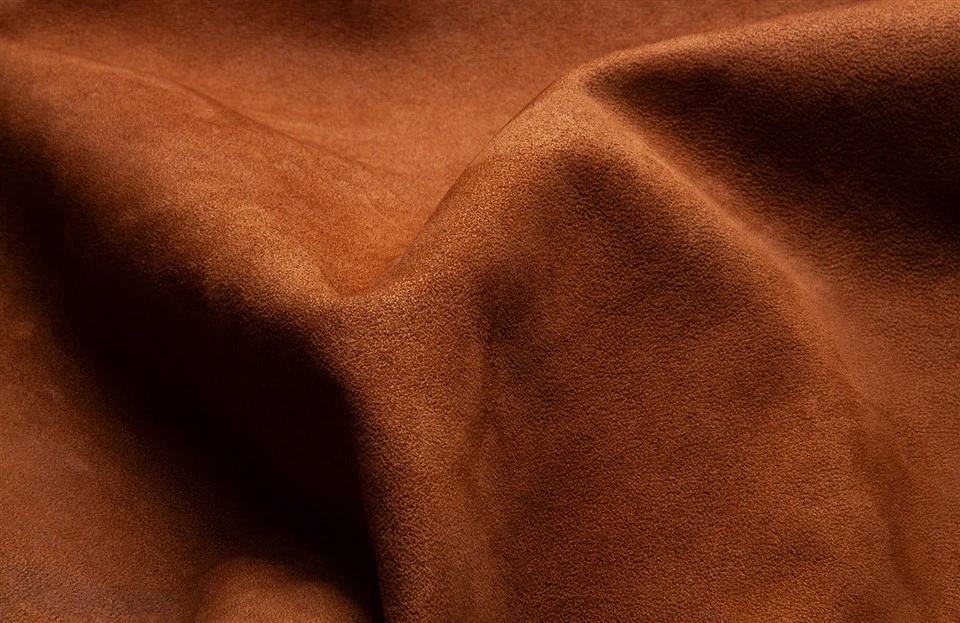
Suede lining leather is known for its soft, velvety texture. It is created by sanding or buffing the inner side of the leather, which results in a fuzzy surface. This process not only gives suede its characteristic look but also makes it very comfortable to the touch. The texture of suede lining leather is smooth and delicate, which makes it an ideal choice for lining applications. It has a relatively low density, which means it is lightweight and does not add much bulk to the product.
On the other hand, kangaroo leather is renowned for its strength and durability. Kangaroo hides are thinner than most other leathers, yet they are incredibly strong. This is due to the unique fiber structure of kangaroo skin, which consists of long, parallel fibers that are tightly packed together. As a result, kangaroo leather has a high tensile strength, making it resistant to tearing and abrasion. It also has a smooth and sleek surface, which gives it a more refined appearance compared to suede lining leather.
Appearance
Suede lining leather has a distinct, soft, and fuzzy appearance. The surface of suede is characterized by its fine nap, which gives it a velvety sheen. The color of suede lining leather can vary widely, depending on the dyeing process and the type of leather used. It can range from natural earth tones to bright, vibrant colors. Suede lining leather also has a more rustic and casual look, which makes it suitable for a variety of applications, including footwear, handbags, and upholstery.
Kangaroo leather, on the other hand, has a more polished and sophisticated appearance. Its smooth surface gives it a sleek and modern look, which is often preferred for high - end products. Kangaroo leather typically has a natural, light - colored tone, but it can also be dyed to a wide range of colors. The natural grain pattern of kangaroo leather is also quite unique, with a series of fine lines and ridges that add to its visual appeal.
Durability
In terms of durability, kangaroo leather is the clear winner. As mentioned earlier, the unique fiber structure of kangaroo skin makes it extremely strong and resistant to wear and tear. It can withstand repeated bending, stretching, and rubbing without losing its shape or integrity. This makes kangaroo leather an excellent choice for products that are subjected to heavy use, such as motorcycle gloves, sports shoes, and work boots.
Suede lining leather, while still durable, is more delicate compared to kangaroo leather. The soft nap on the surface of suede can be easily damaged if it comes into contact with sharp objects or rough surfaces. It is also more susceptible to staining and water damage. However, with proper care and maintenance, suede lining leather can last for a long time. It is important to clean suede lining leather regularly using a soft brush or a suede cleaner, and to protect it from water and stains.
Breathability
Breathability is an important factor to consider, especially when it comes to leather used in footwear and clothing. Suede lining leather is highly breathable due to its porous nature. The fuzzy surface of suede allows air to circulate freely, which helps to keep the feet or body cool and dry. This makes suede lining leather a popular choice for lining shoes, as it can prevent the build - up of moisture and odor.
Kangaroo leather is also breathable, but to a lesser extent compared to suede lining leather. The smooth surface of kangaroo leather restricts air circulation to some degree. However, it still has better breathability than many other types of leather, thanks to its thinness. This makes kangaroo leather suitable for products where breathability is important, but not the primary concern.
Cost
The cost of suede lining leather and kangaroo leather can vary depending on several factors, such as quality, origin, and market demand. Generally, kangaroo leather is more expensive than suede lining leather. This is due to the limited supply of kangaroo hides, as well as the high cost of processing and tanning. Kangaroo leather is also considered a luxury material, which further drives up its price.
Suede lining leather, on the other hand, is more affordable. It is widely available and can be sourced from a variety of animals, including cows, goats, and sheep. The production process of suede lining leather is also less complex compared to kangaroo leather, which helps to keep the cost down.
Applications
Suede lining leather is commonly used for lining purposes. It is widely used in the footwear industry to line shoes, providing a soft and comfortable surface for the feet. Suede lining leather is also used in handbags, wallets, and other leather accessories to add a touch of luxury and comfort. In addition, it can be used for upholstery, especially in furniture where a soft and cozy feel is desired. You can find a variety of Suede Shoes Leather options for your shoe - lining needs.
Kangaroo leather is mainly used in products that require high strength and durability. It is a popular choice for motorcycle gear, such as gloves and jackets, due to its excellent abrasion resistance. Kangaroo leather is also used in sports shoes, especially for high - performance athletic footwear, as it can provide support and flexibility. In addition, it is used in luxury leather goods, such as wallets and belts, to add a touch of elegance and sophistication.
Maintenance
Maintaining suede lining leather requires some special care. As mentioned earlier, it is important to clean suede regularly using a soft brush or a suede cleaner. You should also avoid getting suede lining leather wet, as water can cause the nap to become matted and can also lead to staining. If suede lining leather does get wet, it should be dried naturally at room temperature, away from direct heat sources.
Kangaroo leather is relatively easy to maintain. It can be cleaned with a damp cloth and a mild leather cleaner. To keep kangaroo leather looking its best, it is recommended to apply a leather conditioner regularly to prevent it from drying out and cracking.
Conclusion
In conclusion, suede lining leather and kangaroo leather are two very different types of leather, each with its own unique set of characteristics, advantages, and applications. Suede lining leather is known for its soft, velvety texture, breathability, and affordability, making it an ideal choice for lining applications. Kangaroo leather, on the other hand, is prized for its strength, durability, and sophisticated appearance, making it suitable for high - end and high - performance products.
As a suede lining leather supplier, I offer a wide range of high - quality suede lining leather products, including Micro Fiber Suede and Microfiber Suede Leather. If you are interested in purchasing suede lining leather for your business, I invite you to contact me for more information and to discuss your specific requirements. I am always happy to assist you in finding the perfect leather solution for your needs.

References
- "Leather: Technology, Science, and Engineering" by S. R. M. M. Rahman
- "The Handbook of Leather Manufacture" by T. Covington


