

What is the durability of pu volleyball leather in contact with sand?
Leave a message

As a supplier of PU volleyball leather, I often get asked about the durability of our product, especially when it comes into contact with sand. Beach volleyball is a popular sport, and players need volleyballs that can withstand the abrasive nature of sand. So, let's dive into what affects the durability of PU volleyball leather when it meets sand.
Understanding PU Volleyball Leather
PU, or polyurethane, is a synthetic material commonly used in volleyball manufacturing. It offers several advantages over natural leather, such as being more affordable, easier to clean, and having better resistance to water and chemicals. Our PU Volleyball Leather is designed with a high - quality PU coating on a base fabric, which gives it the right balance of flexibility and strength.

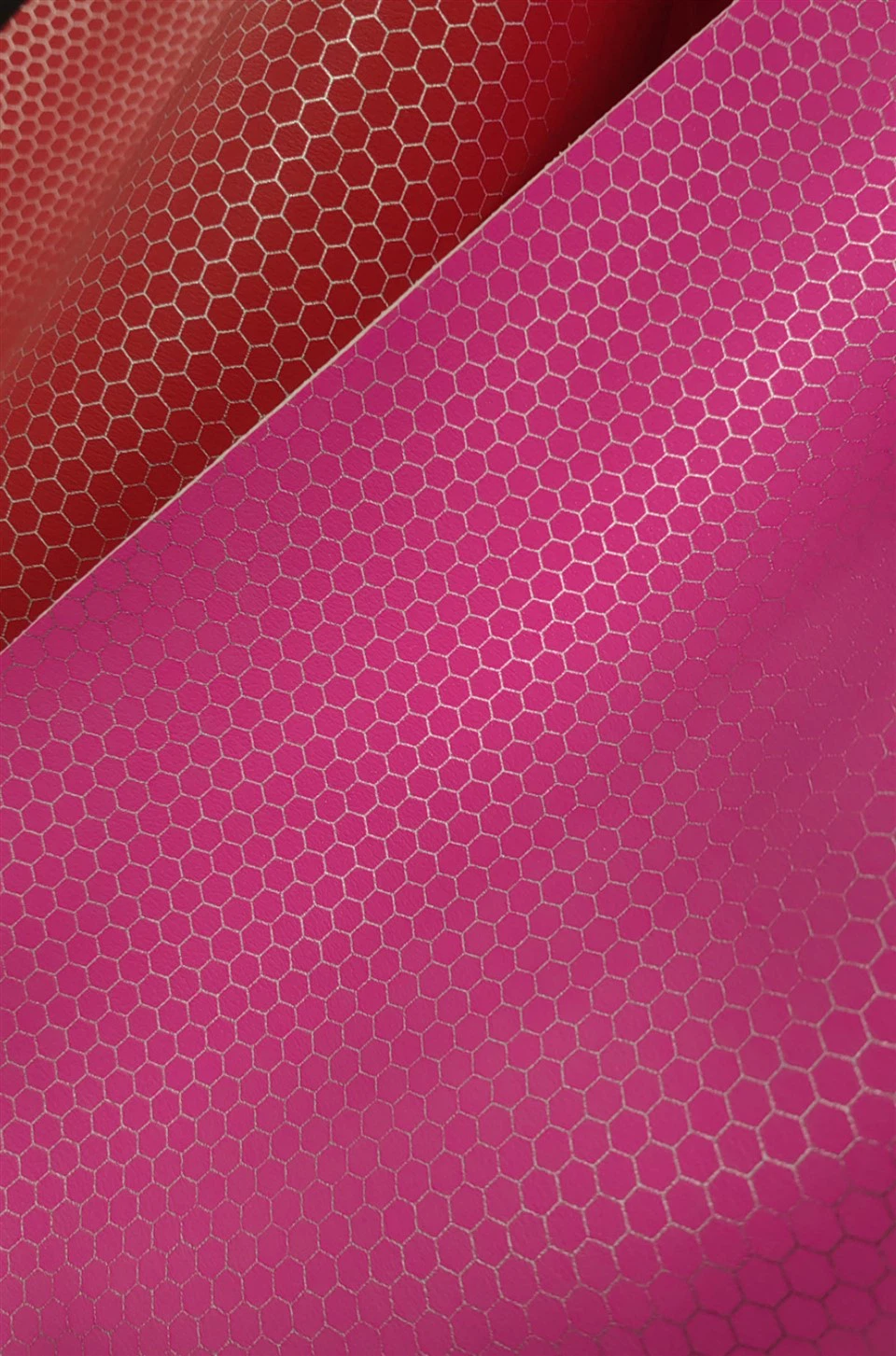
The outer layer of the PU leather is engineered to be smooth and supple, providing a good grip for players. At the same time, it should be tough enough to handle the rigors of the game. But when sand gets involved, things can get a bit tricky.
The Impact of Sand on PU Volleyball Leather
Sand is a natural abrasive. When a volleyball rolls, bounces, or is hit on a sandy beach, the sand particles can create friction against the leather surface. Over time, this friction can cause several issues:
Surface Scratching
Even the finest sand particles can act like tiny sandpaper on the surface of the PU leather. Initial scratches may seem minor and only affect the appearance, but as they accumulate, they can weaken the protective outer layer of the leather. This makes the leather more vulnerable to further damage, like tearing or peeling.
Wear and Tear on Seams
Volleyballs are made up of panels that are sewn together at the seams. Sand can get trapped in these seams and cause additional stress on the stitching. As the ball is used, the constant movement and pressure can cause the seams to loosen or even come apart, reducing the overall integrity of the ball.
Moisture and Sand Combination
On the beach, moisture from the ocean or sweat can mix with the sand. This moist sand is more likely to stick to the ball, increasing the abrasive effect. The moisture can also seep into the leather, potentially causing the PU material to swell or degrade over time.
Factors Affecting Durability
Not all PU volleyball leather will have the same level of durability when in contact with sand. Here are some factors to consider:
Quality of the PU Coating
Higher - quality PU coatings are generally more resistant to abrasion. Our company invests in research and development to create a PU coating that can withstand the harsh conditions of beach volleyball. The thickness and composition of the coating play a crucial role. A thicker coating may offer more protection, but it also needs to be flexible enough not to crack with the ball's movement.
Base Fabric
The base fabric beneath the PU coating provides the structure and support for the leather. Fabrics with high tensile strength and good tear resistance will enhance the overall durability of the volleyball leather. We use a special blend of fibers that are both strong and lightweight, ensuring that the ball remains in good condition even after extended use on the beach.
Manufacturing Process
The way the PU leather is manufactured also affects its durability. Proper bonding between the PU coating and the base fabric is essential. If the bonding is weak, the coating may start to peel off when exposed to sand and friction. Our manufacturing process includes strict quality control measures to ensure a strong and long - lasting bond.
How to Improve the Lifespan of PU Volleyball Leather in Sand
While sand is a challenge, there are steps that players and coaches can take to extend the lifespan of their volleyballs:
Regular Cleaning
After each use on the beach, it's important to clean the volleyball. Use a soft brush or cloth to gently remove the sand from the surface and seams of the ball. If possible, rinse the ball with fresh water to remove any remaining sand and salt. Let the ball dry thoroughly before storing it.
Proper Storage
Store the volleyball in a cool, dry place. Avoid leaving it in direct sunlight for extended periods, as this can cause the PU leather to fade and become brittle. A storage bag can also help protect the ball from dust and other potential sources of damage.
Rotate Balls
If you have multiple volleyballs, rotate their use. This allows each ball to have a break between uses, reducing the overall wear and tear on any single ball.
Comparing with Other Leather Types for Balls
It's also interesting to compare the durability of our PU Volleyball Leather with other types of leather used in ball manufacturing, such as PU Football Leather and PU Basketball Leather.
Football and basketball are typically played on different surfaces. Football is often played on grass or artificial turf, while basketball is played on a hard court. These surfaces are generally less abrasive than sand. However, the basic principles of durability still apply. Our PU football and basketball leather are also designed to be tough and long - lasting, but they may not need to withstand the same level of abrasion as our volleyball leather.
Conclusion
The durability of PU volleyball leather in contact with sand is a complex issue. While sand poses a significant challenge, with the right quality of materials, manufacturing processes, and proper care, our PU volleyball leather can last a long time. We are committed to providing the best - quality products to our customers, ensuring that their volleyballs can handle the demands of beach volleyball.
If you're in the market for high - quality PU volleyball leather, or if you have any questions about our products, don't hesitate to reach out. We're here to help you make the right choice for your volleyball manufacturing needs. Whether you're a small - scale producer or a large sports equipment company, we can work with you to meet your requirements.
References
- "Materials Science for Sports Equipment" - A textbook on the properties of materials used in sports gear.
- Industry reports on the performance of synthetic leather in sports applications.


