

What is the impact of temperature on sports shoe leather?
Leave a message

Hey there! I'm a supplier of sports shoe leather, and I've seen firsthand how temperature can have a huge impact on the quality and performance of the leather we use in sports shoes. In this blog, I'll share my insights on what temperature does to sports shoe leather, and why it matters for both manufacturers and consumers.
How Temperature Affects Leather Structure
Let's start with the basics. Leather is a natural material made from animal hides, and it has a complex structure that's sensitive to changes in temperature. When the temperature rises, the leather fibers start to expand. This might sound like a small thing, but it can actually cause some big problems.

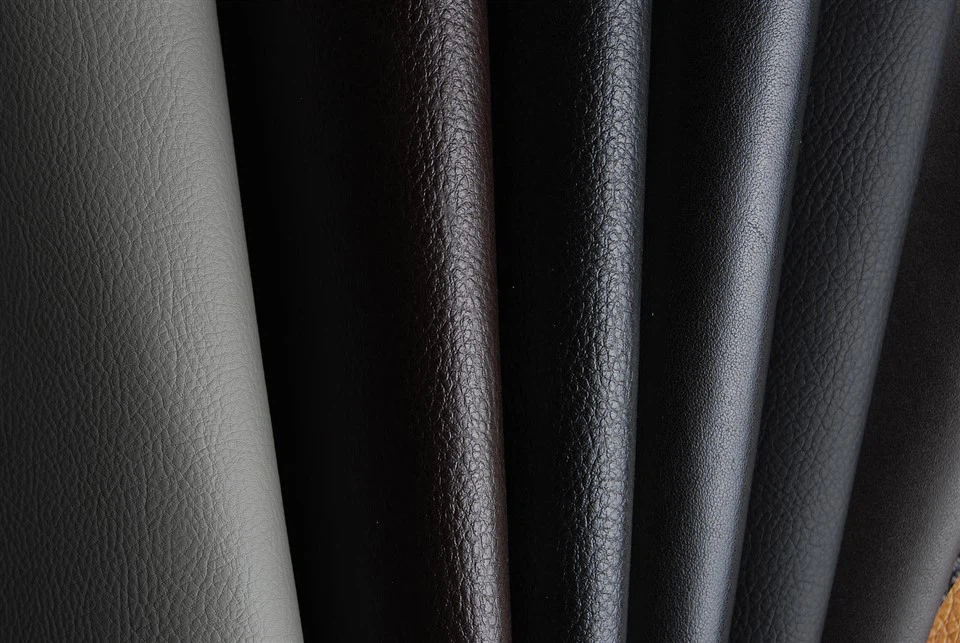
For example, if a pair of sports shoes is left in a hot car on a sunny day, the leather upper can stretch out of shape. This not only makes the shoes look bad but also affects their fit. You know how annoying it is when your shoes suddenly feel too loose or too tight? That's often because of temperature-induced changes in the leather.
On the flip side, cold temperatures can make leather fibers contract. This makes the leather stiffer and less flexible. Imagine trying to run or jump in shoes with leather that's as rigid as a board. It's not only uncomfortable but can also increase the risk of injury. You might find it harder to move your feet naturally, and the lack of flexibility can put extra stress on your joints.
Impact on Durability
Temperature also plays a major role in the durability of sports shoe leather. High temperatures can accelerate the aging process of leather. The heat can break down the natural oils in the leather, which are what keep it soft and supple. Without these oils, the leather becomes dry and brittle, and it's more likely to crack and peel over time.
If you're a sports shoe manufacturer, this is a big deal. You want your shoes to last, right? Customers expect their sports shoes to withstand the rigors of regular use, and if the leather starts to fall apart after just a few months, they're not going to be happy. That's why it's so important to choose leather that can handle different temperature conditions.
Cold temperatures aren't much better when it comes to durability. As I mentioned earlier, the contraction of leather fibers in the cold can make the leather more prone to damage. When you bend or flex the shoes, the stiff leather is more likely to develop small cracks. These cracks might start off as tiny, almost invisible lines, but over time, they can grow and weaken the overall structure of the leather.
Influence on Comfort
Comfort is key when it comes to sports shoes, and temperature can have a significant impact on how comfortable your feet feel in leather shoes. In hot weather, leather can become hot and stuffy. Unlike some synthetic materials, leather doesn't breathe as well, so your feet can get sweaty and uncomfortable. This can lead to blisters, odor, and even fungal infections.
On the other hand, in cold weather, the stiffness of the leather can make it feel like you're wearing a pair of ice blocks on your feet. Your feet need to be able to move freely and stay warm, and if the leather is too rigid, it can't conform to the shape of your feet properly. This can cause pressure points and make your feet feel cold and numb.
Color and Appearance
Temperature can also affect the color and appearance of sports shoe leather. High temperatures can cause the color of the leather to fade. This is especially true for dyed leathers. The heat can break down the dye molecules, making the color less vibrant and more dull. If you've ever noticed that your favorite pair of sports shoes seems to be losing their color after being exposed to the sun for a long time, that's probably because of the temperature.
Cold temperatures can also have an impact on the appearance of leather. The contraction of the leather fibers can cause the surface to become uneven, and you might notice small wrinkles or creases forming. These can make the shoes look older and less appealing.
What Can We Do About It?
As a sports shoe leather supplier, I'm always looking for ways to minimize the impact of temperature on leather. One of the things we do is treat the leather with special coatings and finishes. These can help protect the leather from the effects of heat and cold. For example, some coatings can help retain the natural oils in the leather, preventing it from drying out in high temperatures. Others can add a layer of flexibility to the leather, making it less likely to crack in the cold.
We also offer a variety of different types of leather, each with its own unique properties. For example, Breathable Leather is a great option for sports shoes that will be worn in hot weather. It allows air to circulate around your feet, keeping them cool and dry. And if you're looking for leather that can withstand tough conditions, Safety Shoe Leather is a durable choice that's resistant to both heat and cold. Of course, our Sports Shoe Leather is specifically designed to meet the needs of sports shoe manufacturers, with a focus on quality and performance.
Conclusion
In conclusion, temperature has a profound impact on sports shoe leather. It affects the structure, durability, comfort, and appearance of the leather, and it's something that both manufacturers and consumers need to be aware of. As a supplier, I'm committed to providing high-quality leather that can stand up to different temperature conditions. Whether you're a sports shoe manufacturer looking for the best materials or a consumer in search of comfortable and durable shoes, I'm here to help.
If you're interested in learning more about our sports shoe leather products or have any questions about how temperature affects leather, don't hesitate to reach out. We're always happy to have a chat and discuss your specific needs. Let's work together to create the best sports shoes possible!
References
- "The Science of Leather: How Temperature Affects Its Properties." Leather Technology Journal, Vol. 23, Issue 4, 2022.
- "Impact of Environmental Factors on Sports Shoe Materials." Sports Equipment Research, Vol. 15, Issue 2, 2021.


