

What is the tensile strength of safety shoe leather?
Leave a message

Hey there! As a safety shoe leather supplier, I often get asked about the tensile strength of safety shoe leather. So, I thought I'd take a deep dive into this topic and share some insights with you.
First off, let's talk about what tensile strength actually means. Tensile strength is the maximum amount of tensile (pulling) stress that a material can withstand before it breaks or fails. In the context of safety shoe leather, it's a crucial property because safety shoes are often subjected to a lot of pulling, stretching, and general wear and tear. If the leather doesn't have sufficient tensile strength, it could tear or break, which would compromise the safety and durability of the shoe.
There are several factors that can affect the tensile strength of safety shoe leather. One of the most important is the type of leather used. There are different grades and types of leather, and each has its own unique properties. For example, full - grain leather is known for its high tensile strength. It's the top layer of the hide, and it retains the natural grain and fibers, which gives it excellent durability. On the other hand, split leather, which is made from the lower layers of the hide, generally has lower tensile strength compared to full - grain leather.
Another factor is the tanning process. The tanning process is used to convert raw animal hides into leather. Different tanning methods can have a significant impact on the tensile strength of the leather. For instance, vegetable tanning is a traditional method that uses natural tannins from plants. Leather tanned using this method tends to be more breathable and has good tensile strength. Chrome tanning, on the other hand, is a faster and more common method. Chrome - tanned leather is often more supple and has high resistance to water and heat, but its tensile strength can vary depending on the quality of the process.
The thickness of the leather also plays a role in its tensile strength. Generally, thicker leather has higher tensile strength because there are more fibers to resist the pulling force. However, thicker leather can also make the safety shoes heavier and less flexible. So, there's a balance that needs to be struck between thickness, tensile strength, and other factors like comfort and flexibility.
Now, let's look at some real - world applications. In industries where workers are exposed to sharp objects, heavy machinery, or rough terrain, safety shoes with high - tensile - strength leather are a must. For example, in construction sites, workers need shoes that can withstand the constant pulling and stretching as they move around, climb ladders, and handle heavy materials. The high tensile strength of the leather ensures that the shoes don't tear easily, providing long - lasting protection.
In the military and police sectors, safety shoes also need to be extremely durable. Army And Police Shoe Leather is designed to meet the rigorous demands of these professions. Officers and soldiers are often in high - stress situations where their shoes need to hold up under tough conditions. The leather used in these shoes is carefully selected and processed to have high tensile strength, so it can endure long marches, running, and other physical activities without falling apart.
Sports is another area where the tensile strength of shoe leather matters. Sports Shoe Leather needs to be able to withstand the quick movements, twists, and turns that athletes make. Whether it's basketball, soccer, or tennis, athletes rely on their shoes to provide support and protection. Leather with high tensile strength can handle the stress of these dynamic movements, ensuring that the shoes don't wear out quickly.
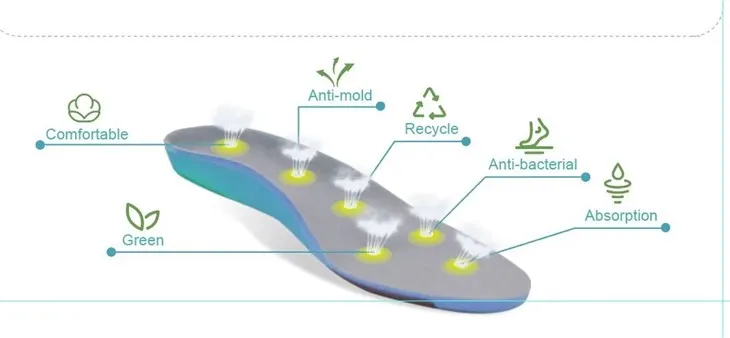

Breathability is also an important factor in safety shoe leather, and it can be related to tensile strength. Breathable Leather allows air to circulate inside the shoe, keeping the feet dry and comfortable. Some types of breathable leather are engineered to maintain good tensile strength while still being breathable. For example, certain microfiber leathers are designed to have both high breathability and sufficient tensile strength, making them a great choice for safety shoes.
As a safety shoe leather supplier, I understand the importance of providing leather with the right tensile strength. We conduct rigorous testing on our leather to ensure that it meets the industry standards. Our testing methods include pulling the leather samples to their breaking point and measuring the force required. We also test for other properties like tear resistance and abrasion resistance, as these are all related to the overall durability of the leather.
When it comes to choosing the right safety shoe leather for your needs, it's important to consider the specific requirements of your application. If you're in an industry where the shoes will be exposed to a lot of pulling and stretching, you'll want to opt for leather with high tensile strength. You also need to think about other factors like comfort, breathability, and cost.
If you're in the market for safety shoe leather, I'd love to have a chat with you. We have a wide range of leather options available, each with different levels of tensile strength and other properties. Whether you're a shoe manufacturer looking for high - quality leather for your products or a business in need of safety shoes for your employees, we can work together to find the perfect solution. Don't hesitate to reach out and start a conversation about your leather needs.
In conclusion, the tensile strength of safety shoe leather is a critical property that affects the durability and performance of safety shoes. By understanding the factors that influence tensile strength and choosing the right leather for your specific application, you can ensure that your safety shoes provide long - lasting protection. So, if you have any questions or are interested in our safety shoe leather products, feel free to get in touch.
References
- "Leather Science and Technology" by R. M. Black
- Industry standards for safety shoe leather published by relevant safety organizations


