

What is the tensile strength of solvent free leather?
Leave a message

As a supplier of solvent-free leather, I am often asked about the tensile strength of our products. Tensile strength is a crucial property that determines the durability and performance of leather, especially in applications where it will be subjected to stress and strain. In this blog post, I will delve into the concept of tensile strength in solvent-free leather, exploring its significance, factors that influence it, and how our solvent-free leather measures up in this regard.
Understanding Tensile Strength
Tensile strength refers to the maximum amount of tensile (pulling) stress that a material can withstand before it breaks or fails. In the context of leather, it is a measure of how well the leather can resist being torn or stretched when a force is applied to it. This property is particularly important in products such as bags, shoes, furniture, and automotive interiors, where the leather is constantly exposed to various forces during use.
The tensile strength of leather is typically measured in units of force per unit area, such as pounds per square inch (psi) or newtons per square millimeter (N/mm²). A higher tensile strength indicates that the leather is more resistant to tearing and can withstand greater forces without breaking.
Significance of Tensile Strength in Solvent-Free Leather
Solvent-free leather is an environmentally friendly alternative to traditional leather that is produced without the use of harmful solvents. It offers several advantages, including reduced environmental impact, improved air quality, and enhanced safety for workers. However, like any other type of leather, its performance and durability are closely related to its tensile strength.
In applications where the leather is subjected to high levels of stress, such as in heavy-duty bags or automotive seats, a high tensile strength is essential to ensure that the leather can withstand the rigors of daily use. A leather with low tensile strength is more likely to tear or split, leading to premature failure of the product and a poor customer experience.
Moreover, tensile strength is also an important factor in determining the quality and value of solvent-free leather. High-quality leather with a high tensile strength is generally more expensive than lower-quality leather with a lower tensile strength. Therefore, understanding and optimizing the tensile strength of our solvent-free leather is crucial for meeting the expectations of our customers and maintaining our competitive edge in the market.
Factors Influencing the Tensile Strength of Solvent-Free Leather
Several factors can influence the tensile strength of solvent-free leather. These include:
Raw Materials
The quality and type of raw materials used in the production of solvent-free leather play a significant role in determining its tensile strength. Leather made from high-quality hides or fibers is generally stronger and more durable than leather made from lower-quality materials. For example, leather made from full-grain hides, which are the top layer of the animal skin and have the highest density of fibers, tends to have a higher tensile strength than leather made from split hides or synthetic fibers.
Manufacturing Process
The manufacturing process used to produce solvent-free leather can also affect its tensile strength. The tanning process, in particular, is crucial for cross-linking the collagen fibers in the leather, which helps to increase its strength and durability. Different tanning methods, such as vegetable tanning, chrome tanning, and synthetic tanning, can have different effects on the tensile strength of the leather. Additionally, the use of additives and treatments during the manufacturing process can also enhance the tensile strength of the leather.
Thickness and Density
The thickness and density of the leather also play a role in determining its tensile strength. Generally, thicker and denser leather has a higher tensile strength than thinner and less dense leather. However, it is important to note that increasing the thickness and density of the leather can also make it heavier and less flexible, which may not be suitable for all applications.
Environmental Conditions
The environmental conditions in which the leather is used can also affect its tensile strength. Exposure to high temperatures, humidity, and sunlight can cause the leather to dry out, crack, and lose its strength over time. Therefore, it is important to protect the leather from these environmental factors and to use appropriate conditioning and maintenance products to keep it in good condition.
Measuring the Tensile Strength of Solvent-Free Leather
The tensile strength of solvent-free leather is typically measured using a tensile testing machine. This machine applies a gradually increasing force to a sample of the leather until it breaks, and the maximum force applied is recorded as the tensile strength of the leather.
There are several standards and methods for measuring the tensile strength of leather, including ASTM D2209, ISO 3376, and DIN 53357. These standards specify the sample size, shape, and testing conditions to ensure accurate and consistent results.

Our Solvent-Free Leather: Tensile Strength and Performance
At our company, we are committed to producing high-quality solvent-free leather with excellent tensile strength and performance. We use only the finest raw materials and state-of-the-art manufacturing processes to ensure that our leather meets the highest standards of quality and durability.
Our solvent-free leather is made from a blend of natural and synthetic fibers, which provides a unique combination of strength, flexibility, and comfort. The use of these fibers also helps to reduce the environmental impact of our products, making them a sustainable choice for our customers.
In addition, we have invested in advanced testing equipment and quality control measures to ensure that our leather meets or exceeds the industry standards for tensile strength. Our team of experts conducts regular testing and analysis to monitor the performance of our leather and to identify any areas for improvement.
As a result of our commitment to quality and innovation, our solvent-free leather has been widely recognized for its excellent tensile strength and performance. It has been used in a variety of applications, including bags, shoes, furniture, and automotive interiors, and has received positive feedback from our customers.
Related Products: Bio-based Leather and Microfiber Leather
In addition to our solvent-free leather, we also offer a range of related products, including Bio-based Leather and Bio-based Microfiber Leather. These products are made from renewable and sustainable materials, such as plant-based polymers and recycled fibers, and offer similar performance and durability to traditional leather.
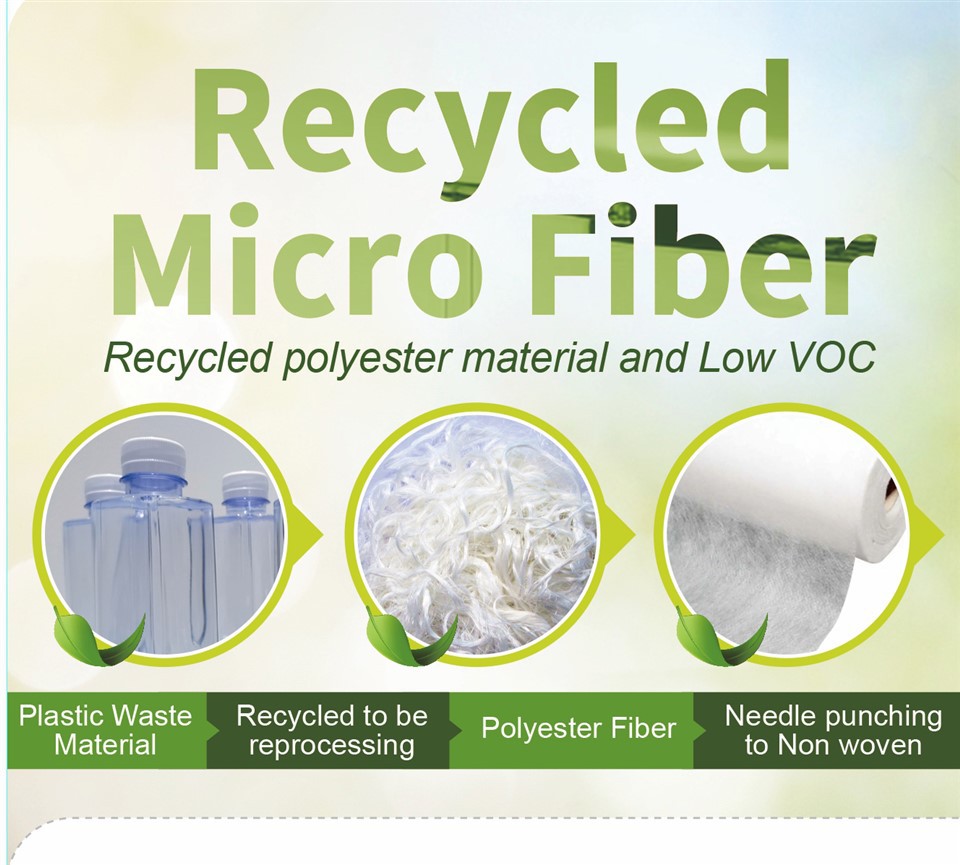
Our Recycled Microfiber is another innovative product that is made from recycled polyester fibers. It is a cost-effective and environmentally friendly alternative to traditional leather, with excellent tensile strength and performance.
Contact Us for Purchasing and Negotiation
If you are interested in purchasing our solvent-free leather or any of our other products, we would be happy to hear from you. Our team of experts is available to answer any questions you may have and to provide you with more information about our products and services.
We believe in building long-term relationships with our customers based on trust, quality, and innovation. Therefore, we are always willing to negotiate the terms of our contracts to meet your specific needs and requirements.
To get in touch with us, please visit our website or send us an email. We look forward to the opportunity to work with you and to provide you with the highest quality solvent-free leather products.
References
- ASTM D2209 - Standard Test Method for Tensile Strength and Elongation of Leather.
- ISO 3376 - Leather - Physical and mechanical tests - Determination of tensile strength and percentage extension.
- DIN 53357 - Testing of leather; determination of tensile strength and percentage extension.


