

Can I use leather conditioner on suede leather shoes?
Leave a message

When it comes to maintaining the quality and longevity of our suede leather shoes, one question often arises: Can I use leather conditioner on suede leather shoes? As a supplier of Suede Shoes Leather, I'm here to delve into this topic and provide you with comprehensive insights.

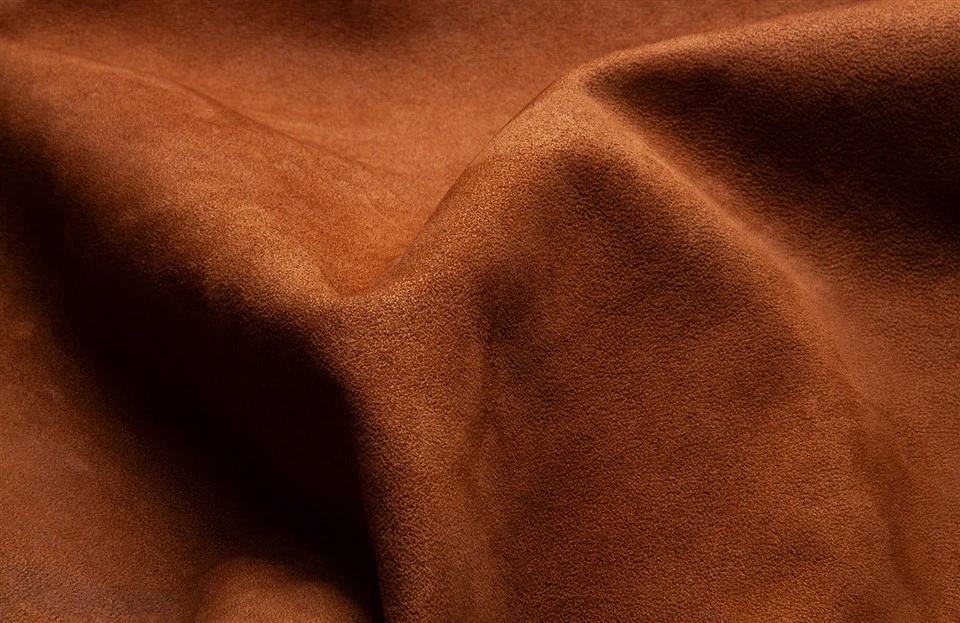
Understanding Suede Leather
Suede leather is a unique and luxurious material known for its soft, velvety texture. It is made from the inner layer of animal hides, typically lamb, goat, or deer. Unlike full - grain or top - grain leather, suede has a more porous surface, which gives it its characteristic look and feel. This porosity, however, also makes suede more susceptible to stains, water damage, and general wear and tear.
Suede Lining Leather and Microfiber Suede Leather are popular variations. Microfiber suede leather, in particular, is an artificial alternative that mimics the look and feel of natural suede while offering enhanced durability and resistance to certain elements.
The Purpose of Leather Conditioner
Leather conditioners are formulated to moisturize, protect, and restore leather. They typically contain ingredients such as oils, waxes, and emollients that penetrate the leather's surface, preventing it from drying out, cracking, and losing its flexibility. For traditional leather products like full - grain leather boots or leather handbags, a good leather conditioner can significantly extend their lifespan and keep them looking their best.
Why Using Leather Conditioner on Suede May Not Be a Good Idea
- Texture Alteration: Suede's soft, velvety texture is one of its most appealing features. Leather conditioners are often thick and greasy, and when applied to suede, they can clump the fibers together. This results in a matted, uneven appearance that ruins the aesthetic of the suede shoes. Instead of the smooth, plush look, the shoes may look dull and unkempt.
- Staining Risk: The porous nature of suede means that it can easily absorb the ingredients in a leather conditioner. If the conditioner contains colored dyes or other substances, it can lead to permanent staining. Even clear conditioners can leave behind a residue that attracts dirt and dust more readily. Once the suede has absorbed the conditioner, it becomes much more difficult to clean, and the stains may be impossible to remove completely.
- Breathability Compromise: Suede leather allows air to circulate through its fibers, which helps keep feet cool and comfortable. Leather conditioners create a barrier on the surface of the leather, reducing its breathability. This can lead to a stuffy environment inside the shoes, causing feet to sweat more and potentially leading to unpleasant odors.
Proper Care for Suede Leather Shoes
- Regular Brushing: Use a soft suede brush to gently remove dirt and dust from the surface of the shoes. Brushing in one direction helps to maintain the natural nap of the suede and keeps the fibers upright. This simple step can prevent dirt from becoming embedded in the suede and maintain its appearance.
- Stain Removal: For minor stains, you can use a suede eraser or a mixture of water and mild detergent. Dab the stain gently with a clean cloth or sponge, being careful not to rub too hard as this can damage the suede. For more stubborn stains, it may be best to take the shoes to a professional suede cleaner.
- Water Protection: To protect suede shoes from water damage, apply a suede protector spray. These sprays create a protective barrier on the surface of the suede, repelling water and preventing it from soaking in. Make sure to apply the spray in a well - ventilated area and follow the manufacturer's instructions.
- Storage: When not in use, store suede shoes in a cool, dry place. Stuff them with shoe trees or tissue paper to help maintain their shape. Avoid storing them in plastic bags, as this can trap moisture and lead to mold growth.
Exceptions and Special Cases
There are some specialized suede conditioners on the market that are specifically formulated for suede leather. These products are designed to clean, condition, and protect suede without altering its texture or causing staining. If you choose to use a conditioner on your suede shoes, make sure it is labeled for suede use and test it on a small, inconspicuous area first to check for any adverse reactions.
Our Offer as a Suede Shoes Leather Supplier
As a supplier of high - quality Suede Shoes Leather, we understand the importance of proper suede care. We are committed to providing our customers with not only top - notch suede materials but also valuable information on how to maintain them.
Whether you are a shoe manufacturer looking for the perfect suede leather for your next collection or an individual interested in purchasing suede shoes, we can offer you a wide range of options, including Suede Lining Leather and Microfiber Suede Leather. Our products are carefully selected and tested to ensure the highest standards of quality and performance.
If you have any questions about our suede leather products or need advice on suede care, we encourage you to contact us for a procurement discussion. We look forward to working with you to meet your suede leather needs.
Conclusion
In conclusion, using a traditional leather conditioner on suede leather shoes is generally not recommended due to the potential for texture alteration, staining, and reduced breathability. Instead, opt for proper suede - specific care methods to keep your suede shoes looking and feeling their best. As a suede shoes leather supplier, we are here to support you with the right products and knowledge for successful suede shoe maintenance.
References
- "The Complete Guide to Leather Care" by Leather Experts Publishing
- "Suede Leather: Properties and Care" - Journal of Textile and Leather Science


