

What thickness of floor leather is best?
Leave a message

Hey there! As a floor leather supplier, I often get asked, "What thickness of floor leather is best?" Well, it's not a one-size-fits-all answer, and in this blog, I'm gonna break down the factors to consider so you can make the right choice for your space.
Understanding Floor Leather Thickness Basics
First off, let's talk about why thickness matters. The thickness of floor leather plays a huge role in its durability, comfort, and performance. Thicker floor leather generally means more durability and better insulation, but it also comes with a higher price tag. On the other hand, thinner floor leather is more affordable and easier to install, but it might not last as long or provide as much comfort.
Floor leather thickness is usually measured in millimeters (mm). Common thicknesses range from 1.5mm to 5mm, with some specialty products going even thicker. Each thickness has its own set of advantages and disadvantages, so let's take a closer look at them.
1.5mm - 2mm Floor Leather
This is the thinnest option you'll commonly find. It's lightweight and flexible, which makes it super easy to install. You can roll it out and cut it to size with a sharp utility knife, and it can be laid over existing floors with minimal preparation.
One of the biggest advantages of 1.5mm - 2mm floor leather is its affordability. If you're on a tight budget or just looking for a temporary flooring solution, this is a great choice. It's also a good option for areas with low foot traffic, like a spare bedroom or a storage room.
However, because it's so thin, it's not as durable as thicker options. It can get scratched or torn more easily, especially in high-traffic areas. And it doesn't provide as much insulation or soundproofing as thicker floor leather.
2.5mm - 3mm Floor Leather
This is a popular choice for many homeowners and businesses. It strikes a good balance between durability and affordability. It's thicker than the 1.5mm - 2mm option, so it's more resistant to scratches and tears. It also provides better insulation and soundproofing, which can make your space more comfortable.
2.5mm - 3mm floor leather is suitable for medium-traffic areas, like living rooms, hallways, and offices. It can handle regular foot traffic without showing too much wear and tear. And it's still relatively easy to install, although you might need a bit more preparation than with the thinner option.
3.5mm - 5mm Floor Leather
If you're looking for the ultimate in durability and comfort, this is the thickness you want. 3.5mm - 5mm floor leather is thick and heavy-duty, making it ideal for high-traffic areas, like commercial kitchens, restaurants, and retail stores. It can withstand heavy furniture, constant foot traffic, and even some light machinery.
This thickness also provides excellent insulation and soundproofing, which can help reduce energy costs and create a quieter environment. However, it's more expensive than the thinner options, and it can be more difficult to install. You might need to hire a professional installer to ensure a proper fit.
Factors to Consider When Choosing Thickness
Now that you know the different thickness options, let's talk about the factors you should consider when choosing the right one for your space.
- Foot Traffic: As I mentioned earlier, the amount of foot traffic in your space is a major factor. If you have a lot of people walking through the area on a daily basis, you'll want to choose a thicker floor leather. For low-traffic areas, a thinner option will be sufficient.
- Usage: Think about how the space will be used. If it's a commercial kitchen or a workshop, you'll need a floor leather that can withstand spills, stains, and heavy equipment. In this case, a thicker, more durable option is essential. If it's a living room or a bedroom, you might be more concerned with comfort and aesthetics, so a medium-thickness floor leather might be a better choice.
- Budget: Your budget will also play a role in your decision. Thicker floor leather is generally more expensive, so if you're on a tight budget, you might need to go with a thinner option. However, keep in mind that investing in a higher-quality, thicker floor leather can save you money in the long run by reducing the need for frequent replacements.
- Installation: Consider how easy or difficult the floor leather is to install. If you're planning to do it yourself, you'll want to choose a thickness that you're comfortable working with. Thinner floor leather is usually easier to install, but thicker options might require more skill and experience.
Our Product Range
At our company, we offer a wide range of floor leather thicknesses to meet your needs. Whether you're looking for a thin, affordable option for a spare room or a thick, heavy-duty floor leather for a commercial space, we've got you covered.

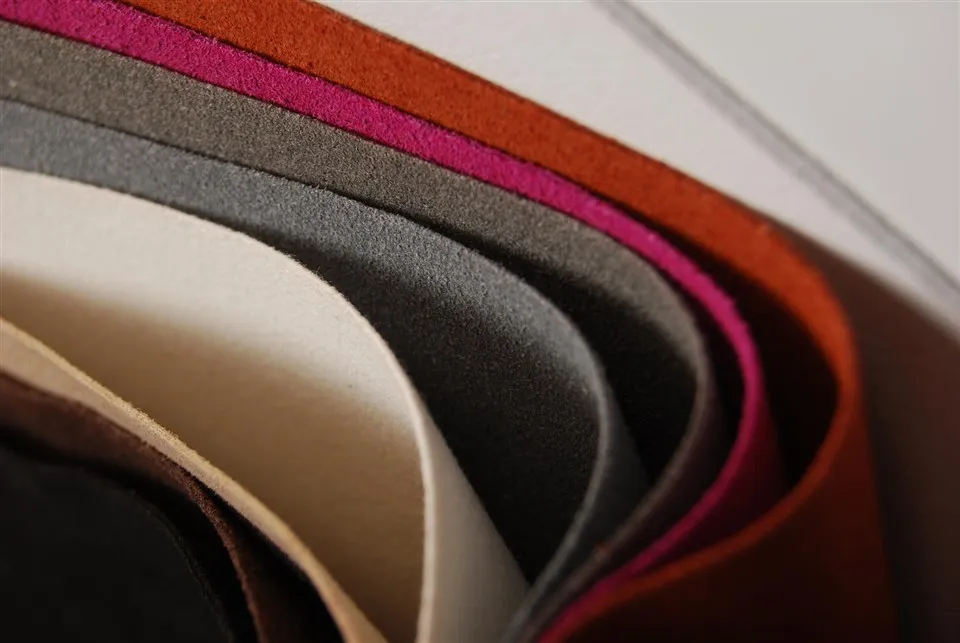
We also offer different types of floor leather, including Solvent Free Leather, Microfiber Base, and Bio-based Leather. These options are not only durable and stylish but also environmentally friendly.
Conclusion
So, what thickness of floor leather is best? It depends on your specific needs and preferences. Consider the factors I've discussed, like foot traffic, usage, budget, and installation, and choose the thickness that's right for you.
If you have any questions or need more information, don't hesitate to reach out. We're here to help you find the perfect floor leather for your space. Whether you're a homeowner looking to update your flooring or a business owner in need of a durable solution, we've got the expertise and the products to meet your needs. Contact us today to start the conversation and let's find the best floor leather for you!
References
- "Flooring Guide: How to Choose the Right Floor for Your Home." HomeAdvisor.
- "Floor Leather: A Durable and Affordable Flooring Option." Bob Vila.


